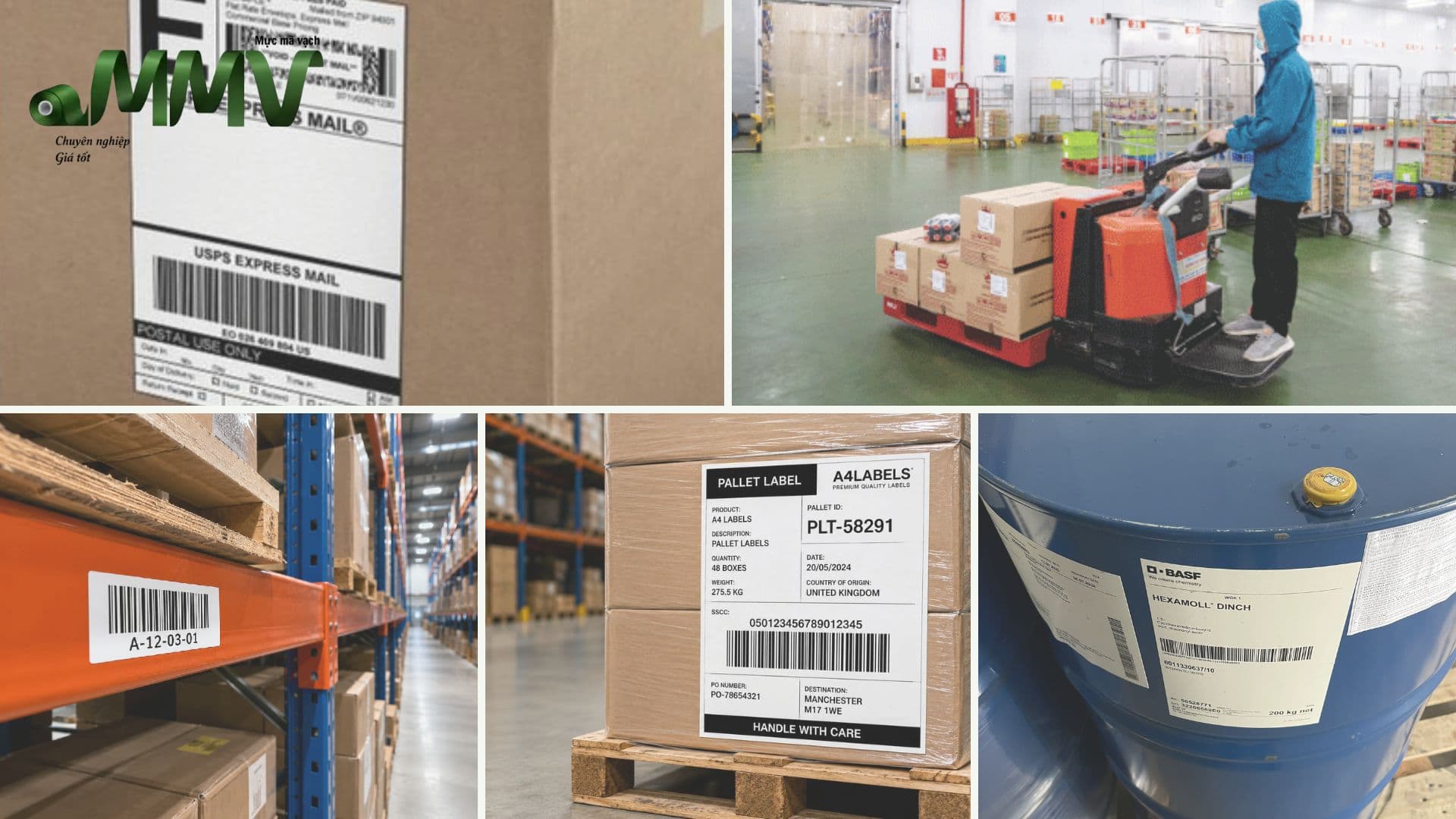
Choosing the right Thermal Transfer Ribbon (TTR) is critical for maintaining 100% barcode readability across high-volume supply chains and demanding warehouse environments. From ambient inventory tagging to extreme cold storage and chemical handling, matching ribbon formulations to operational conditions prevents costly sorting delays and ensures seamless tracking. Learn more with Muc Ma Vach right now.
1. What is a Thermal Transfer Ribbon?
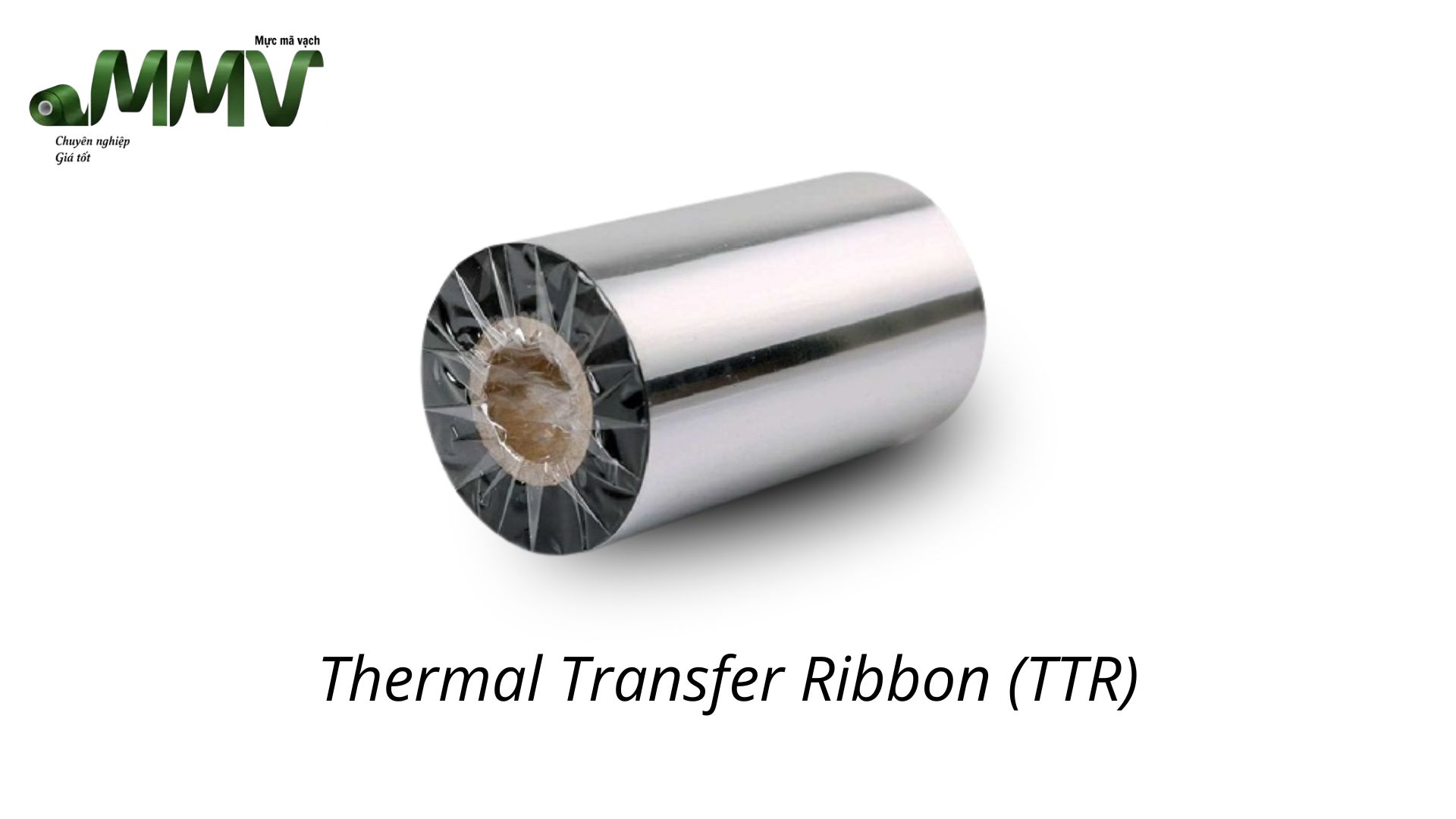
A Thermal Transfer Ribbon (TTR) is a thin polyester film roll coated with heat-sensitive ink formulations. When fed through a thermal printer, micro-resistors on the printhead heat up and melt the ink, transferring it cleanly onto a label surface to produce sharp, durable barcodes and text.
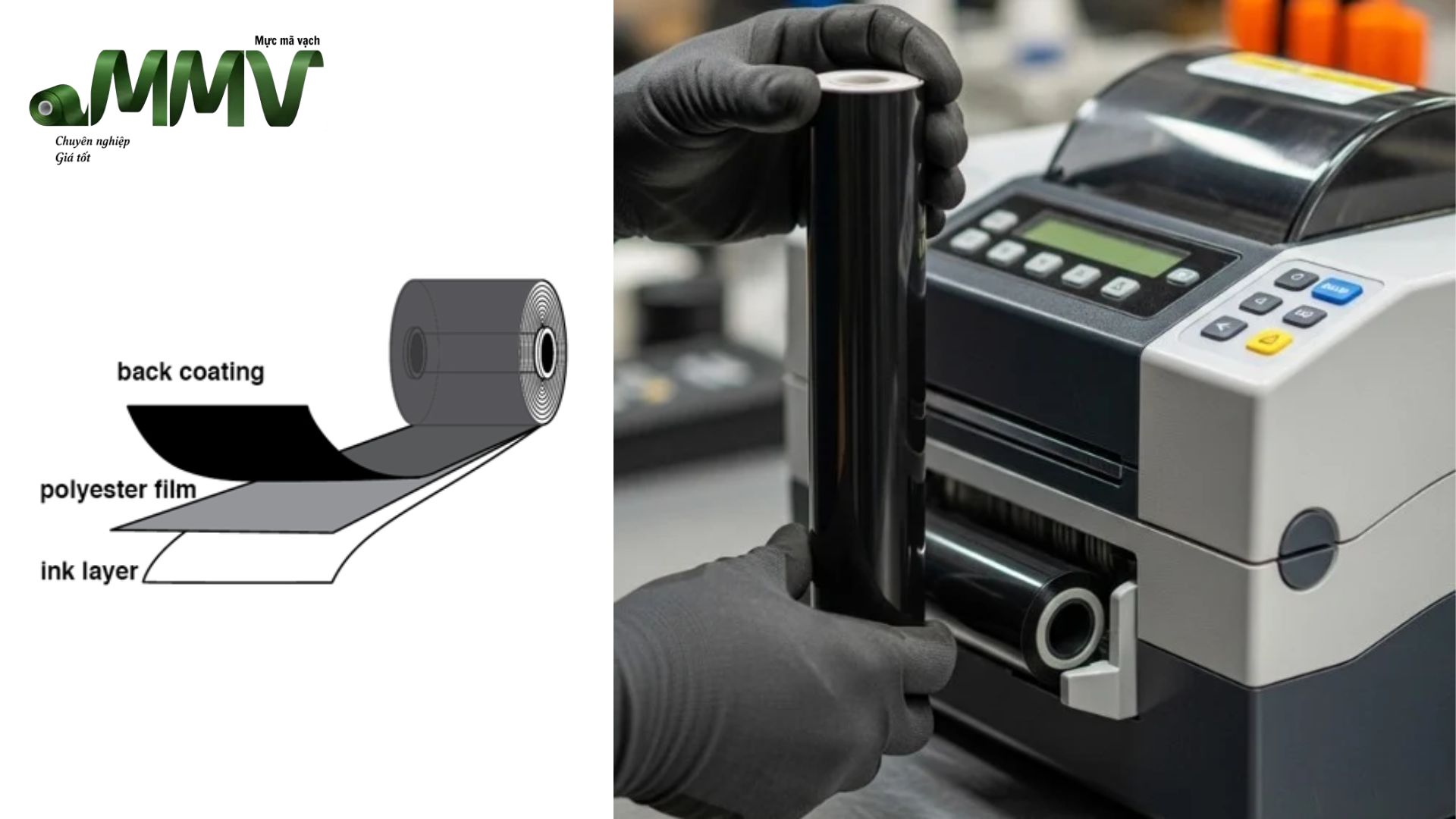
Every high-grade ribbon consists of three core functional layers:
- Backcoating: A silicone-based protective layer that glides directly against the printhead. It minimizes friction, prevents static build-up, and protects heating elements from premature burn-out.
- PET Base Film: An ultra-thin polyester carrier (typically 4.5 µm to 6.0 µm thick) engineered for high tensile strength so it won't stretch or snap during high-speed printing.
- Ink Layer: Formulated from carbon black pigment blended with specialized waxes or synthetic resins. This layer melts instantly under heat to lock crisply onto paper or synthetic substrates.
2. Common applications of TTR in Warehousing & Logistics industry
High-volume supply chains rely on constant scan accuracy. Thermal transfer ribbons deliver the durability and crispness required at every stage of logistics management:
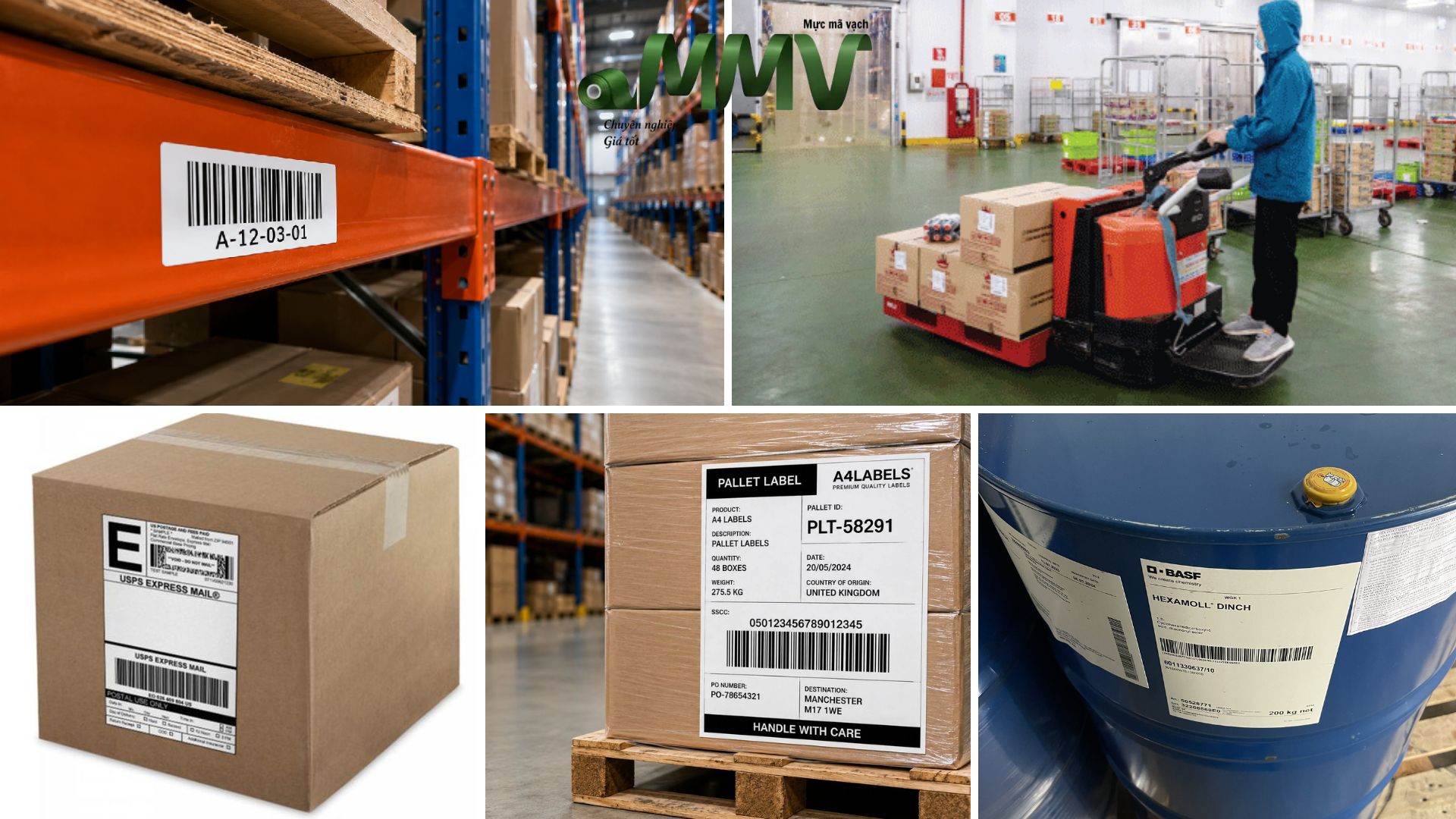
- Shipping labels: High-speed printing for carrier tracking labels (FedEx, UPS, DHL), cross-docking tags, and outbound shipping labels that must remain scan-ready through sorting networks.
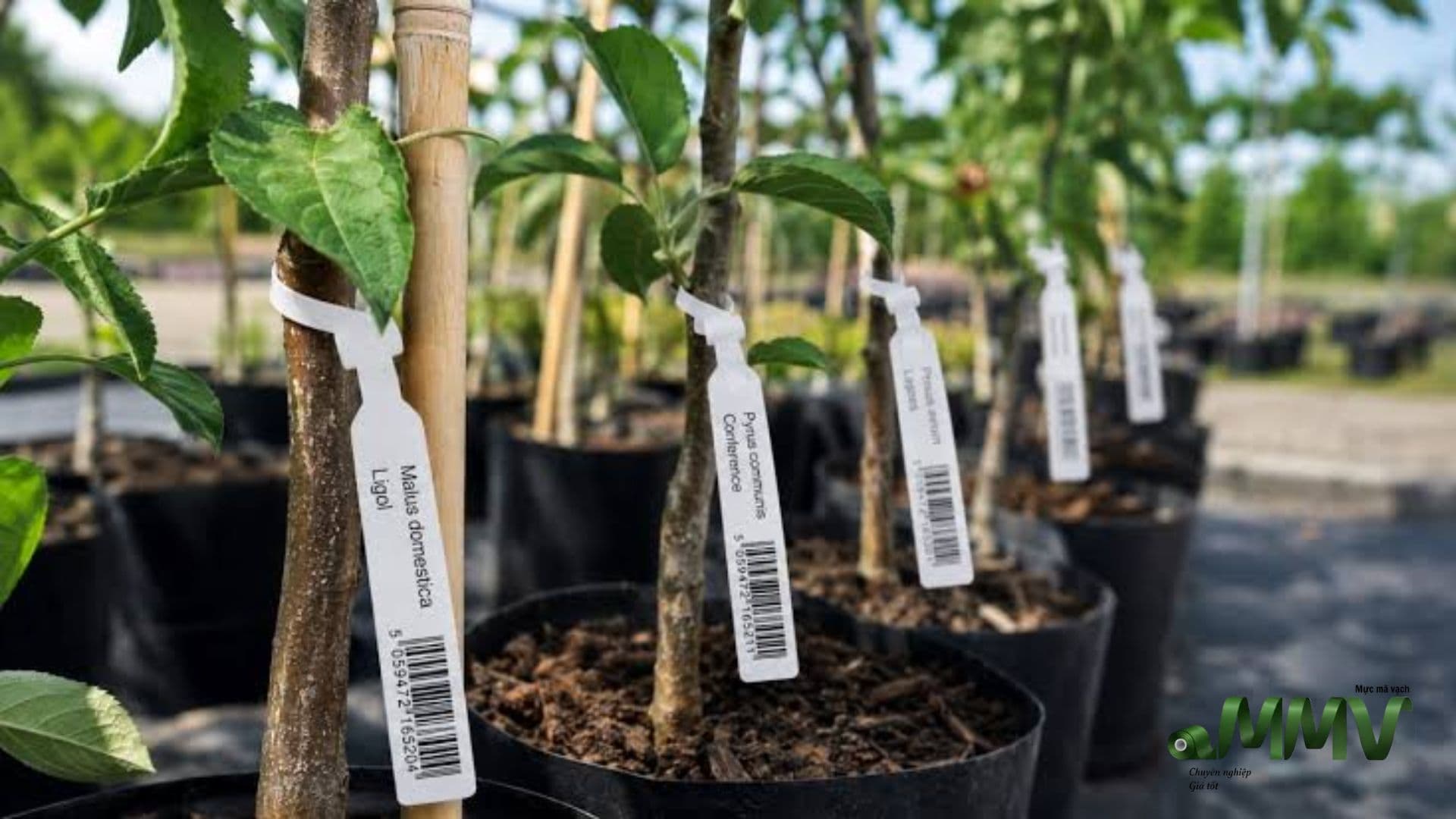
- Inventory location tags: Long-term rack labels, bin markers, and asset tags attached to metal or plastic warehouse shelving exposed to ambient dust and daily handling.
- Pallet labels: Large-format GS1-128 pallet tags that face rough mechanical friction from forklifts, stretch-wrapping, and outdoor staging.
- Cold storage warehouse: Specialized labeling for sub-zero food, pharmaceutical, and biological cold chains where condensation, moisture, and frost are continuous hazards.
- Hazardous materials: GHS-compliant warning labels requiring intense chemical, solvent, and UV resistance.
3. How does thermal transfer ribbon work?
Thermal transfer printing uses a combination of heat, pressure, and synchronized motion to bond ink permanently to a label.
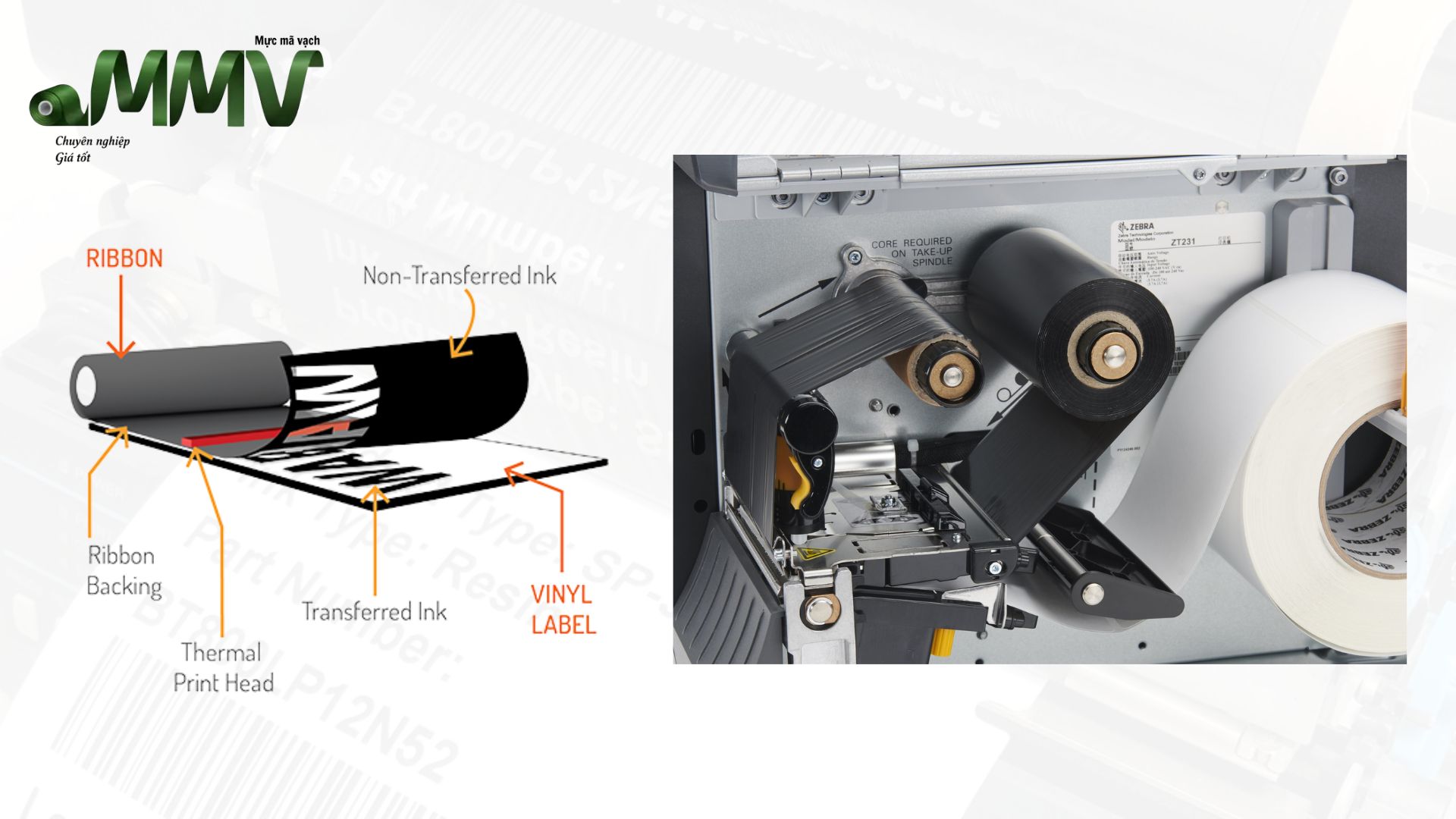
- The ribbon and label pass simultaneously between the thermal printhead and the rubber platen roller.
- Computer-controlled micro-resistors on the printhead fire rapid heat bursts according to the barcode or text design.
- Heat penetrates through the protective backcoating, instantly melting the ink layer at precise contact points.
- The platen roller applies firm pressure, forcing the liquefied ink off the PET film carrier and onto the label substrate.
- As the ribbon peels away, the transferred ink cools immediately, creating a crisp, smudge-proof print with zero drying time.
4. Benefits of TTR in Warehousing and Logistics
Adopting Thermal Transfer Ribbon (TTR) printing ensures robust supply chain visibility by providing long-lasting, smudge-proof labels that survive high-friction automated handling and unpredictable environmental conditions.
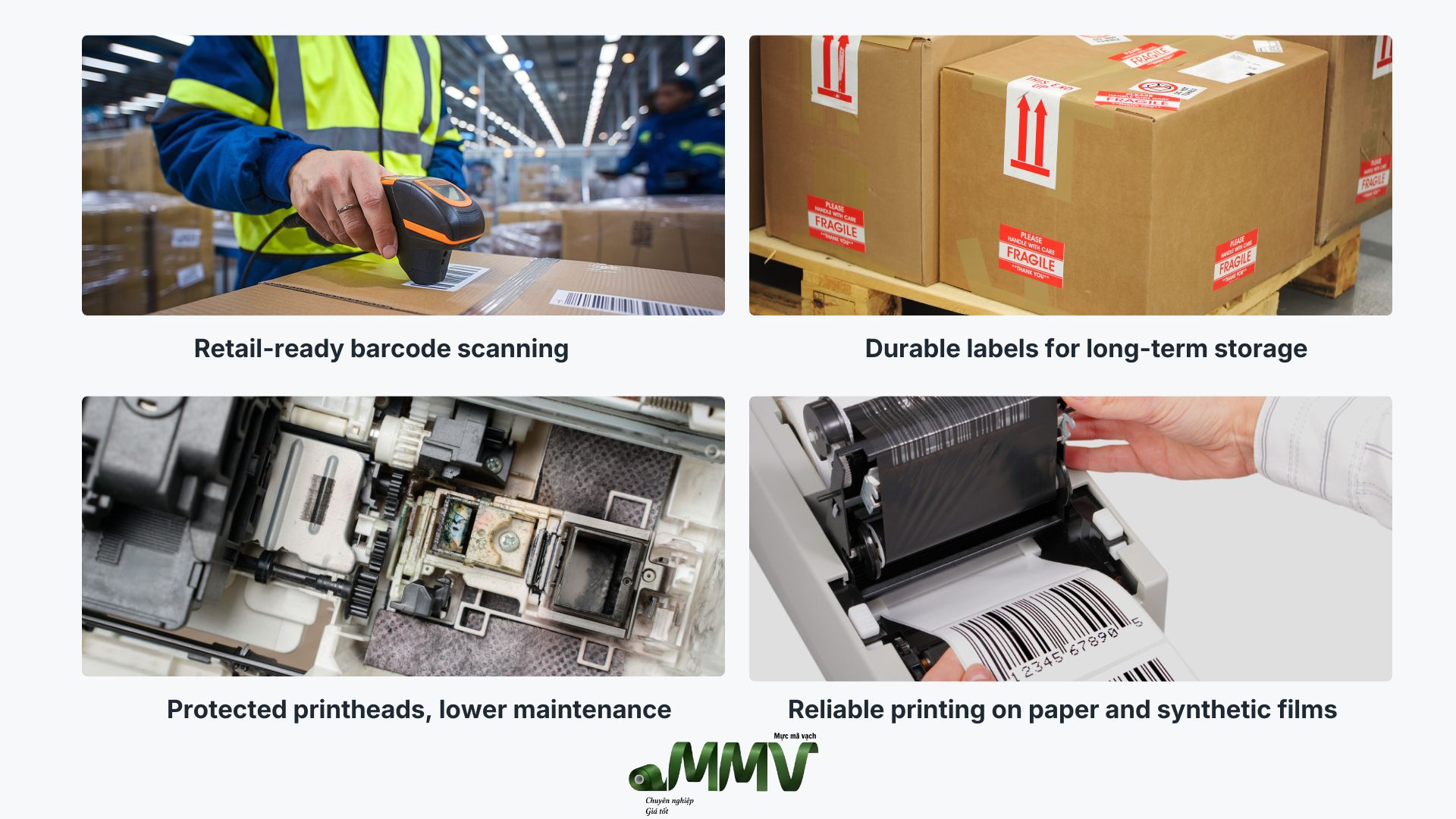
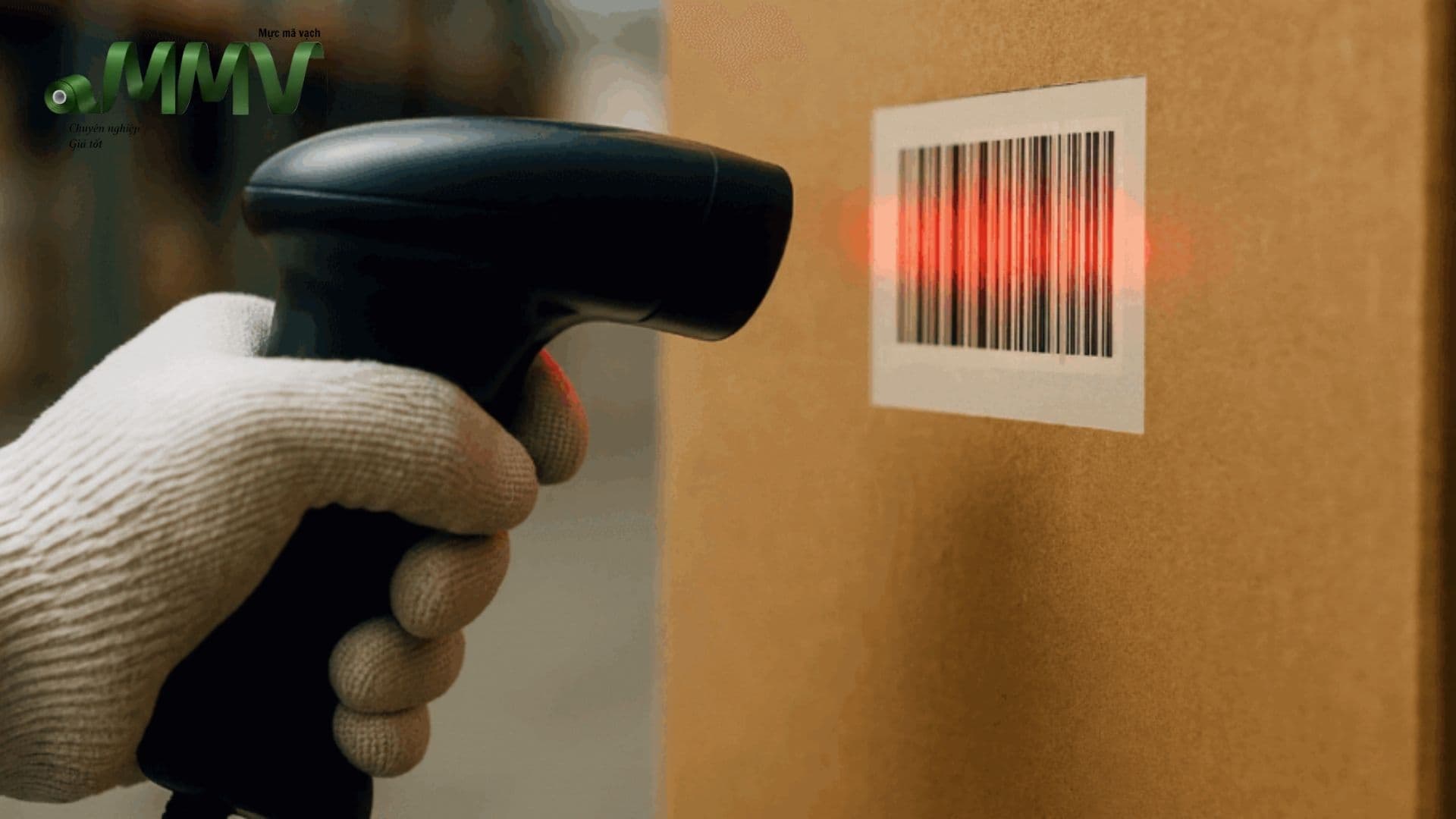
- Flawless scans: Sharp, crisp edges on 1D and 2D barcodes mean, zero non-compliance penalties from major retail hubs.
- Labels built to last: Thermal transfer ink bonds directly into the label material. It easily shrugs off sunlight, friction, and moisture over months or years of storage.
- Keep printheads running longer: The ribbon's protective backcoating acts as a smooth cushion against rough paper, cutting down on wear-and-tear and slashing your maintenance costs.
- Prints on anything: Supply chain teams can seamlessly print on everything from budget-friendly paper shipping tags to heavy-duty synthetic films like Polypropylene and Polyester.
5. Recommended TTR types for environmental conditions in warehousing
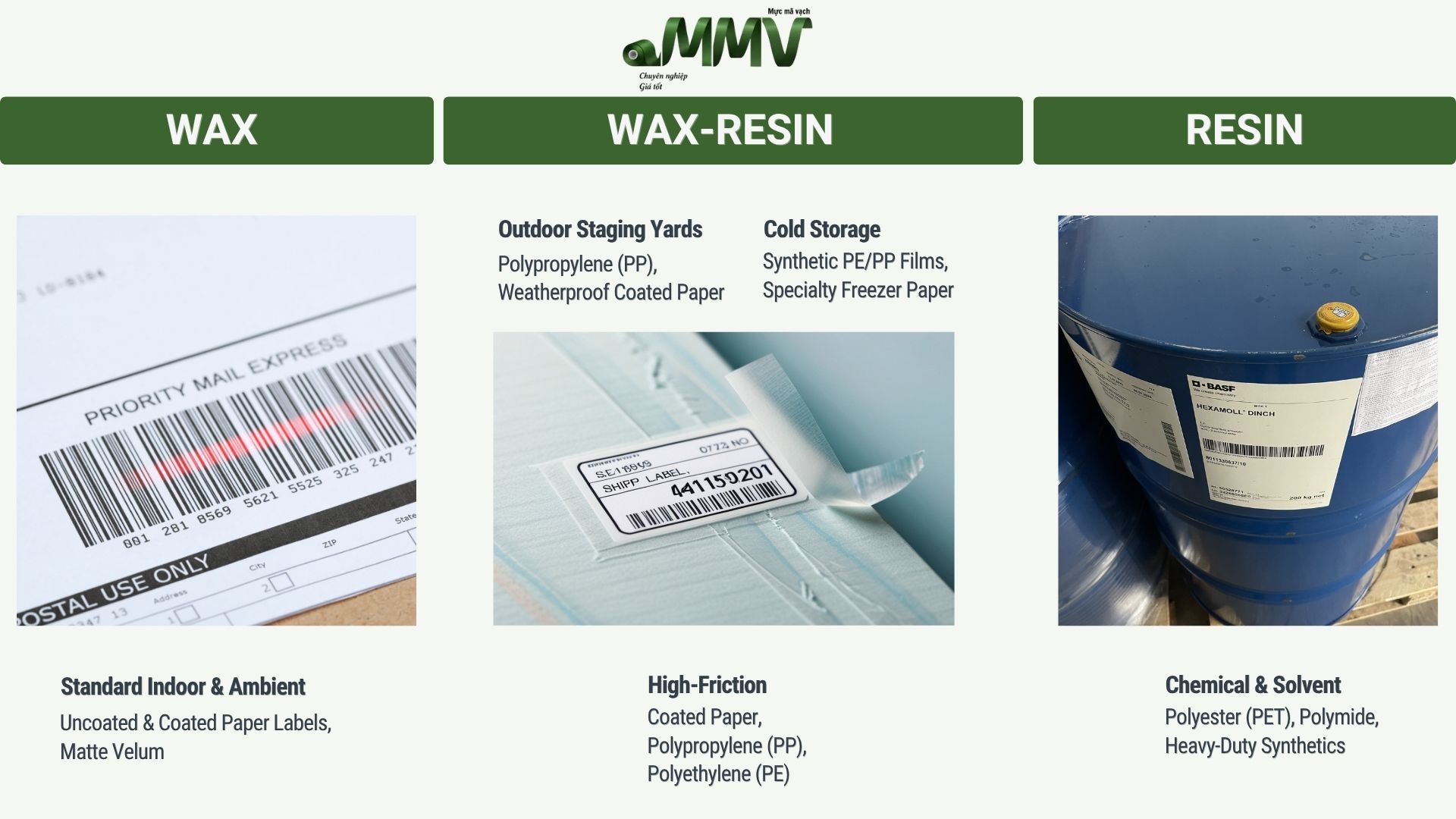
Matching your ribbon formulation directly to the physical demands of your storage and transit environment prevents costly barcode legibility issues down the supply chain:
| Recommended TTR Type | Warehouse Environment | Label Substrates |
| Standard Wax | Standard Indoor & Ambient | Uncoated & Coated Paper Labels, Matte Vellum |
| Premium Wax-Resin | High-Friction | Coated Paper, Polypropylene (PP), Polyethylene (PE) |
| Specialty Wax-Resin / Resin | Cold Storage | Synthetic PE/PP Films, Specialty Freezer Paper |
| High-Durability Wax-Resin | Outdoor Staging Yards | Polypropylene (PP), Weatherproof Coated Paper |
| Pure Resin | Chemical & Solvent | Polyester (PET), Polyimide, Heavy-Duty Synthetics |
If you have further questions and are wondering how to optimize your business through your choice of ribbons, send Muc Ma Vach an email or a call and our team is happy to help.
Hotline: +84 362 474 463 or +84 986 039 044
Email: info@mucmavach.vn
Website: https://mucmavach.vn