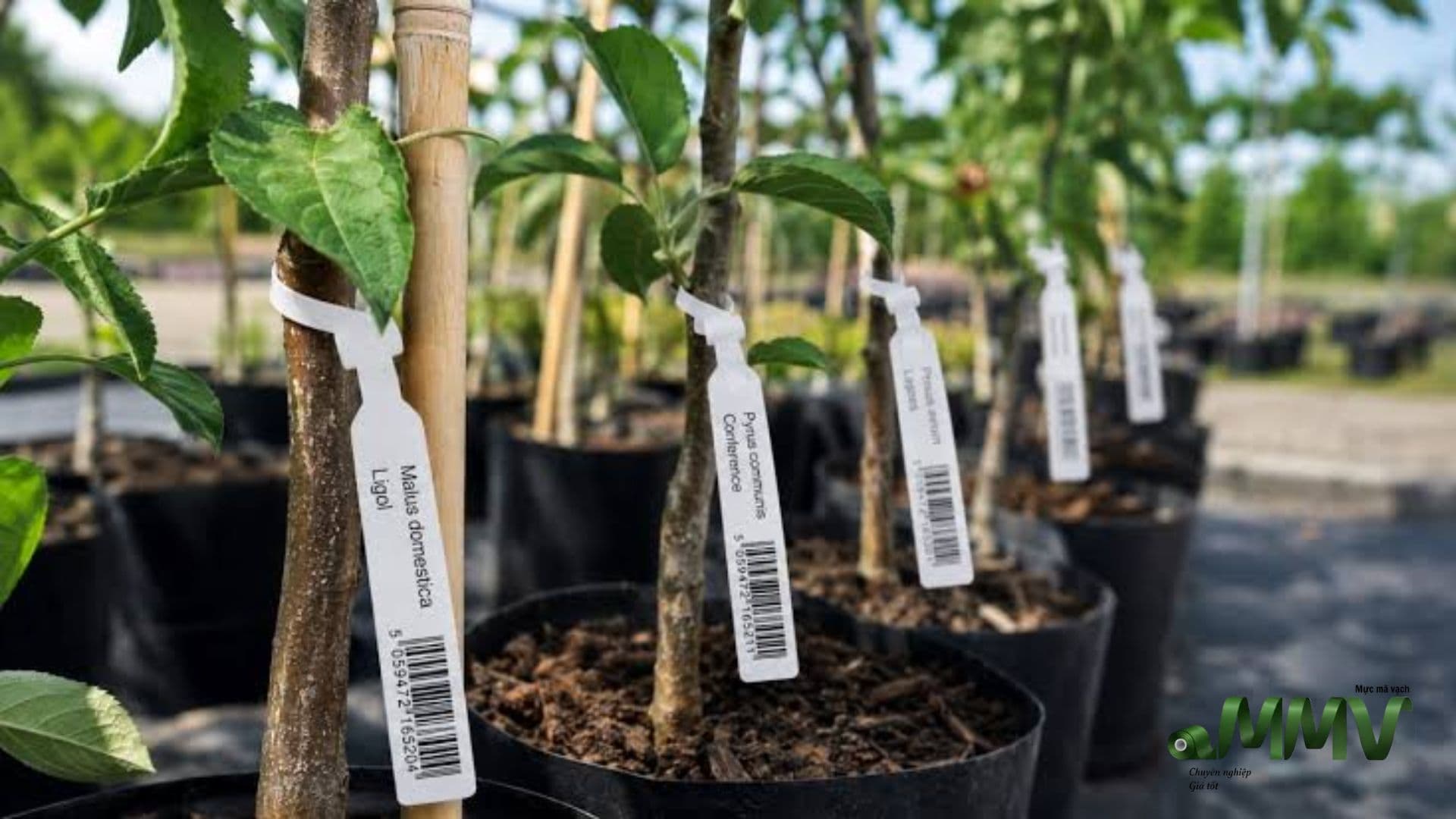
Container gardening may face moisture, dirt, frequent handling, and outdoor conditions, choosing the right label material and printing ribbon is essential. Learn more with Muc Ma Vach about thermal transfer ribbons and labeling solutions to support reliable printing performance across horticulture applications.
1. Types of Labels Used in Horticulture Applications
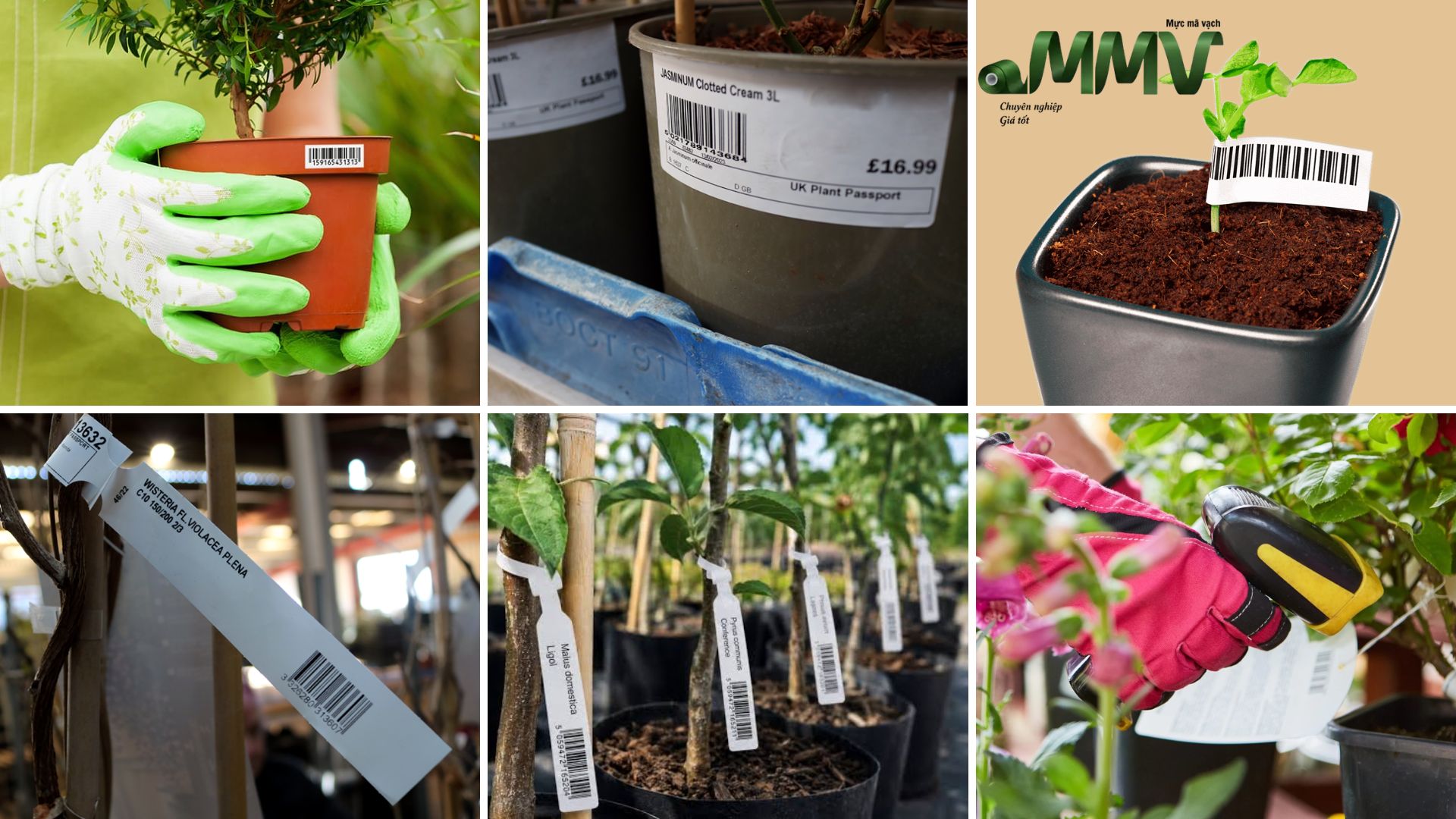
Horticultural labels come in different formats and materials to suit plant identification, inventory tracking, and retail requirements.
Label Type | Common Applications | Key Considerations |
| Plant Pot Labels and Stakes | Identifying plant species, varieties, and growing batches. | Should withstand watering, handling, and growing conditions. |
| Hang Tags and Tie-On Labels | Labeling trees, shrubs, and ornamental plants. | Require durable printing and secure attachment. |
| Self-Adhesive Labels | Labeling pots, containers, and plant packaging. | Adhesive and label material must suit the container surface and moisture exposure. |
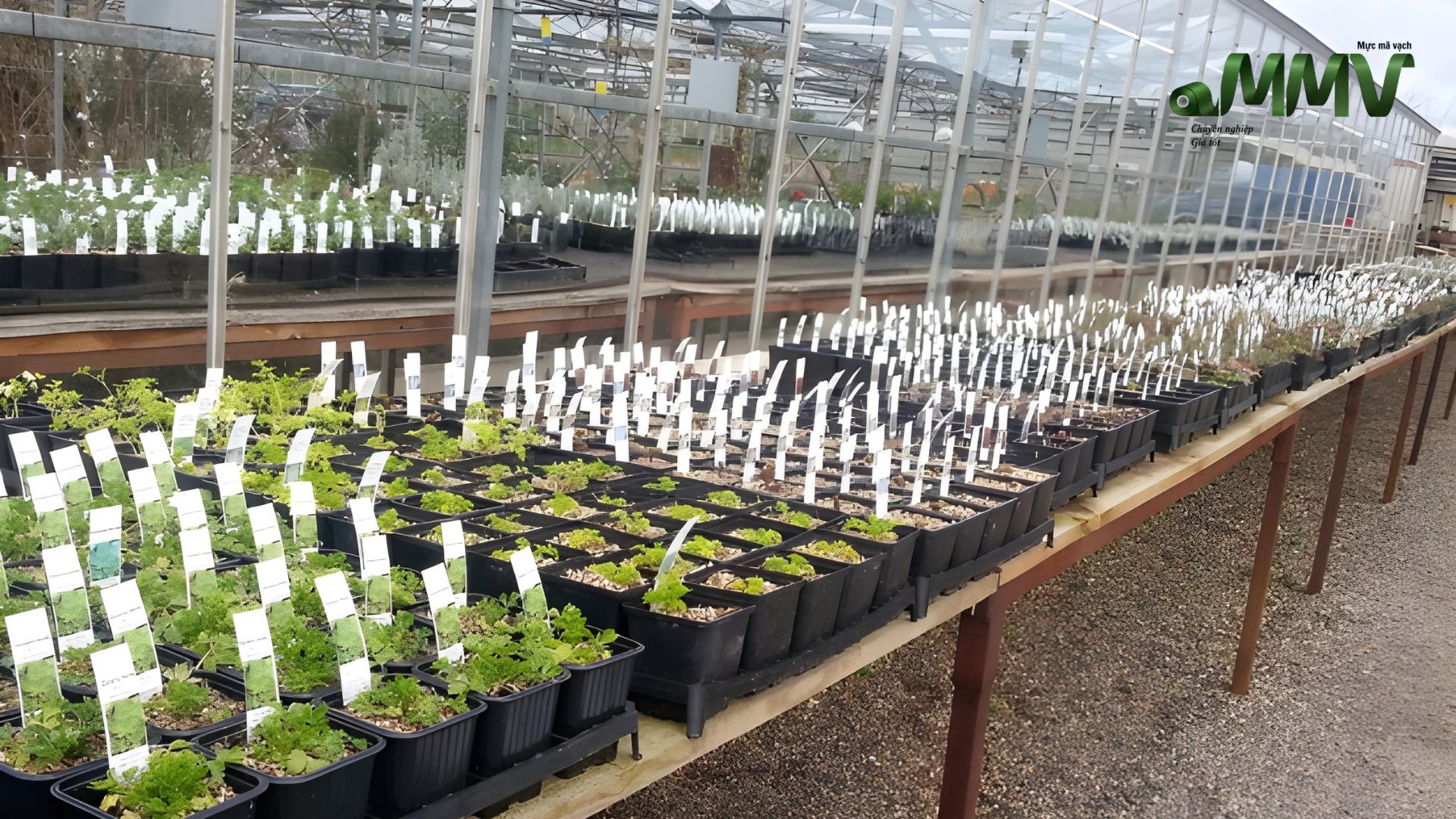
| Tray and Flat Labels | Identifying seedlings, propagation trays, and grouped plants. | Must remain readable during watering, handling, and stock movement. |
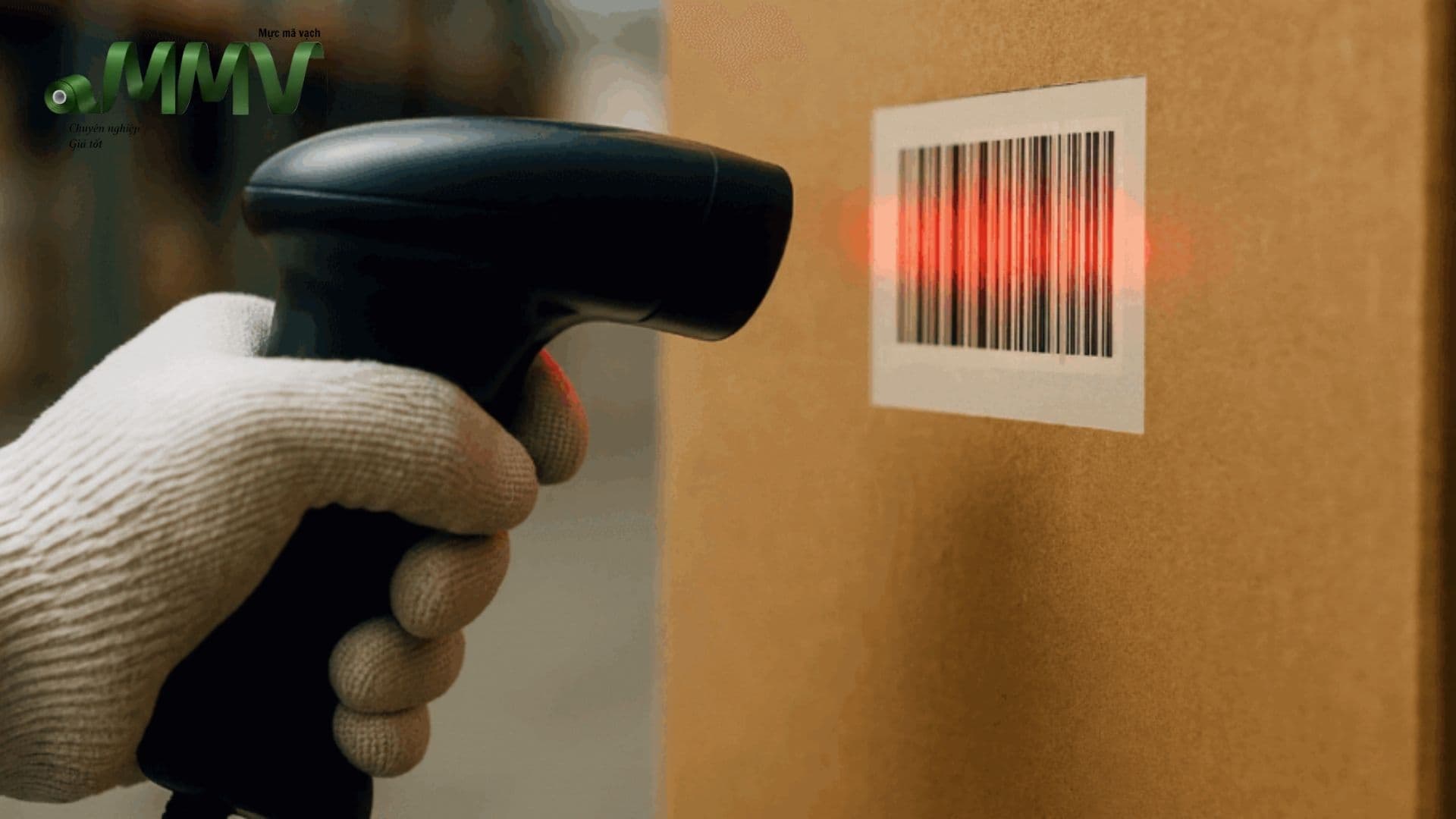
| Shipping and Logistics Labels | Tracking plants, cartons, and shipments between growers, distributors, and retailers. | Need clear barcodes for accurate scanning and inventory updates. |
The appropriate choice depends on the label's intended use, required lifespan, and exposure to environmental conditions. Paper may suit temporary indoor applications, while suitable synthetic materials are often preferred for greater moisture resistance and durability.
2. Reasons Barcode Labels Are Essential in Horticulture Applications
Horticultural businesses often manage large numbers of plant varieties, growing batches, and product sizes. Barcode labels help simplify daily operations by providing consistent, scannable identification.
Key benefits include:
- Accurate plant identification: Distinguish plant species, varieties, sizes, and product codes.
- Efficient inventory management: Track stock levels, plant movements, and replenishment more quickly.
- Improved traceability: Link plants to batch numbers, suppliers, or production records when the relevant information is encoded or stored in the inventory system.
- Faster order processing: Scan labels during picking, packing, shipping, and retail transactions.
- Fewer manual errors: Reduce repeated data entry and improve consistency across inventory records.
With a well-organized barcode system, growers and retailers can manage plant inventory more efficiently from production to the point of sale.
3. Why Thermal Transfer Printing Is Ideal for Horticulture Applications
Thermal transfer printing uses heat to transfer ink from a ribbon onto a label, producing clear text, barcodes, and product information.
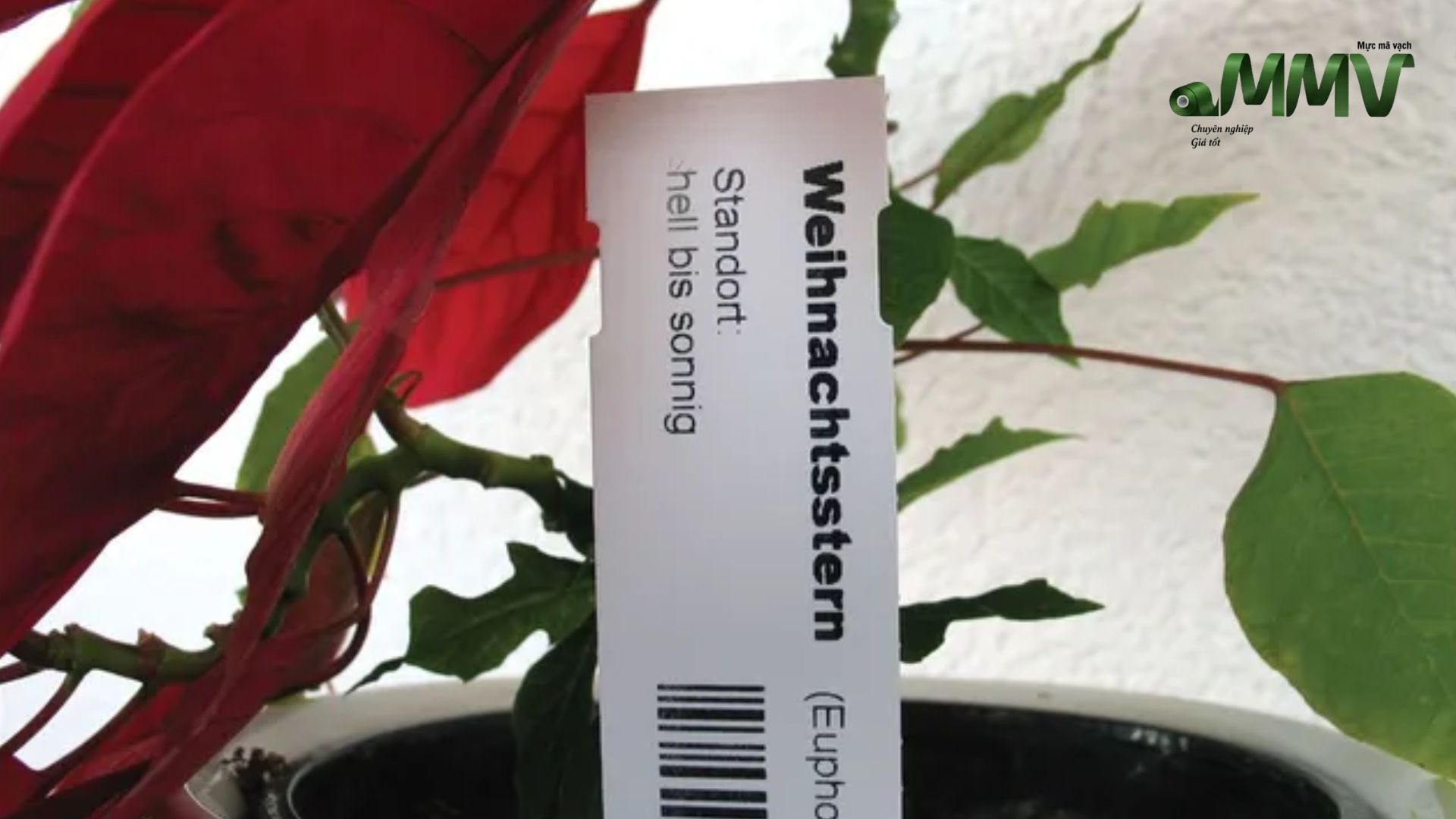
- Durable printing: The right ribbon and label combination can improve resistance to moisture, rubbing, and outdoor exposure.
- Clear, scannable barcodes: Sharp printing supports accurate barcode recognition and inventory tracking.
- Flexible material choices: Compatible paper and synthetic labels accommodate different plant tags, pots, trays, and packaging.
- On-demand printing: Growers can print changing plant names, varieties, batch numbers, and product codes as needed.
- Consistent identification: Reliable print quality helps maintain readable labels throughout handling and distribution.
4. Which Barcode Ribbon Is Suitable for Horticulture Applications?
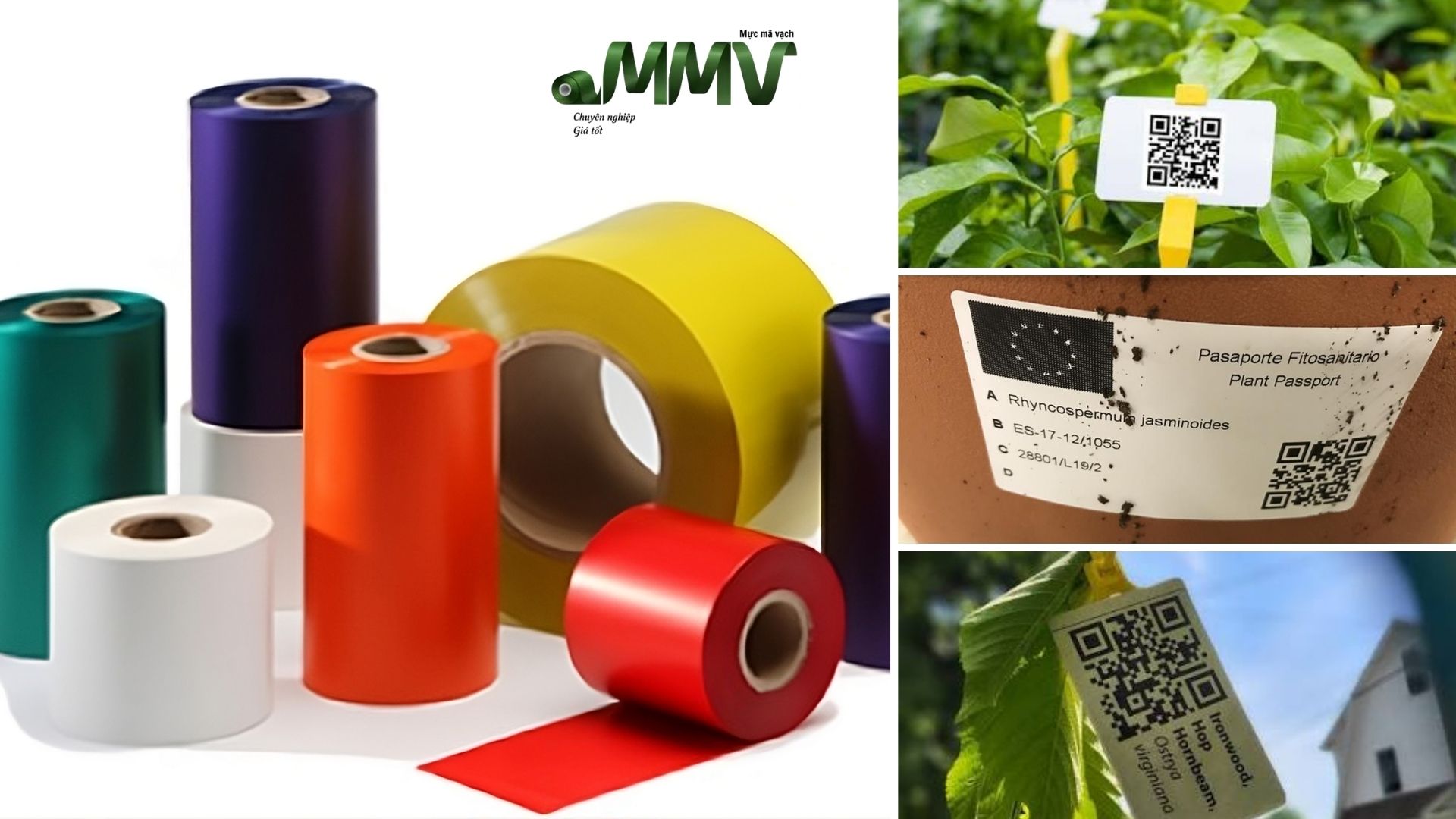
The best thermal transfer ribbon depends on the label material, expected lifespan, and growing environment.
Ribbon Type | Key Benefits | Suitable Horticultural Applications |
| Wax | Economical and provides good print quality on compatible paper labels. | Temporary plant labels and indoor identification with limited moisture or abrasion. |
| Wax-Resin | Offers improved resistance to scratching, smudging, and handling compared with standard wax ribbons. | Nursery tags, plant stakes, pot labels, and applications exposed to regular handling or moderate moisture. |
| Resin | Provides high durability when paired with compatible synthetic label materials. | Demanding plant identification applications requiring greater resistance to abrasion, chemicals, or environmental exposure. |
5. Considerations for choosing the right barcode ribbon for horticulture application
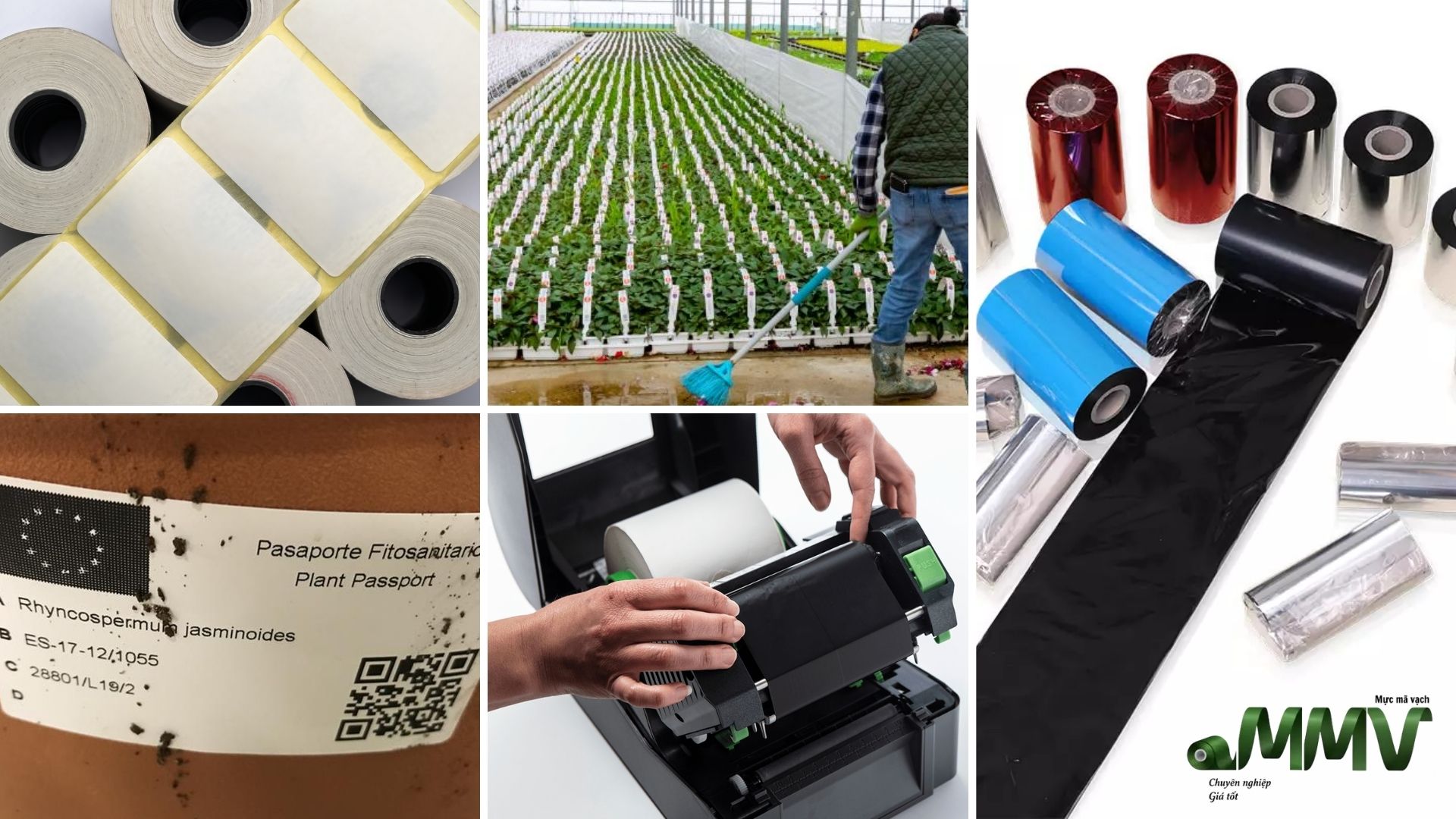
When selecting a ribbon, consider the following factors:
- Label material: Ensure the ribbon is compatible with paper, polypropylene, polyester, or the specific tag stock being used.
- Environmental exposure: Consider irrigation, humidity, dirt, sunlight, and repeated handling.
- Required durability: Determine how long the label must remain readable.
- Printer compatibility: Check ribbon dimensions, winding direction, and printer specifications.
Note: For outdoor use, test the complete label and ribbon combination under actual growing and storage conditions. Moisture resistance and UV durability cannot be guaranteed by ribbon type alone.
6. Where to buy Horticulture Barcode Ribbons
Choosing a suitable ribbon supplier helps ensure consistent print quality, compatibility, and reliable barcode performance.
Muc Ma Vach offers a wide range of thermal transfer ribbons, including wax, wax-resin, and resin options for different printing requirements.
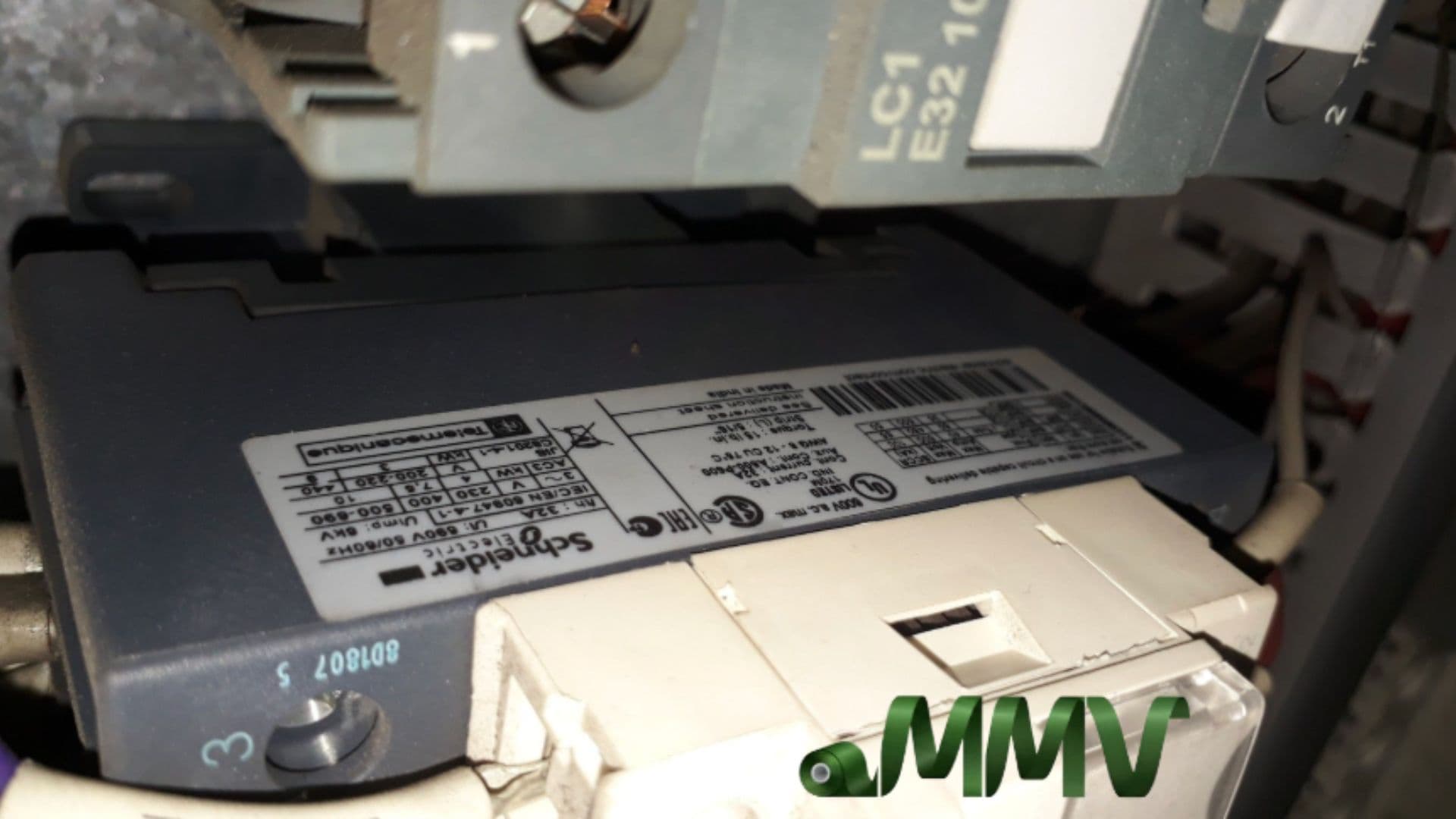
Our technical team can help businesses select the most suitable ribbon based on label material, operating conditions, durability requirements, and budget. Whether you need ribbons for warehousing, electrical appliance, retail, industrial asset labeling,... we are committed to delivering reliable products and professional support.
7. Frequently Asked Questions About Horticulture Labeling
1. What type of label is best for outdoor plant identification?
Durable synthetic labels, such as suitable polypropylene or polyester materials, are often preferred for outdoor plant identification. The final choice should account for moisture, sunlight, handling, and the required service life.
2. Which thermal transfer ribbon is best for nursery labels?
Wax-resin ribbons are a common option for horticultural tags because they offer a balance of print quality and durability. Resin ribbons may be preferable for more demanding conditions, depending on label material compatibility and actual exposure.
3. Can thermal transfer barcode labels withstand water and sunlight?
They can be designed to withstand moisture and outdoor exposure when compatible ribbons and label materials are selected. However, performance varies by product, and prolonged UV exposure may require additional material or ink specifications.
4. How do barcodes help improve nursery inventory management?
Barcodes enable staff to identify plants and record stock movements through scanning rather than relying entirely on manual data entry. When integrated with inventory software, they can also support batch tracking, order fulfillment, and stock replenishment.
Contact Mực Mã Vạch today for technical consultation, custom ribbon sizes, and competitive pricing for your industrial labeling applications!
Hotline: +84 362 474 463 or +84 986 039 044
Email: info@mucmavach.vn
Website: https://mucmavach.vn