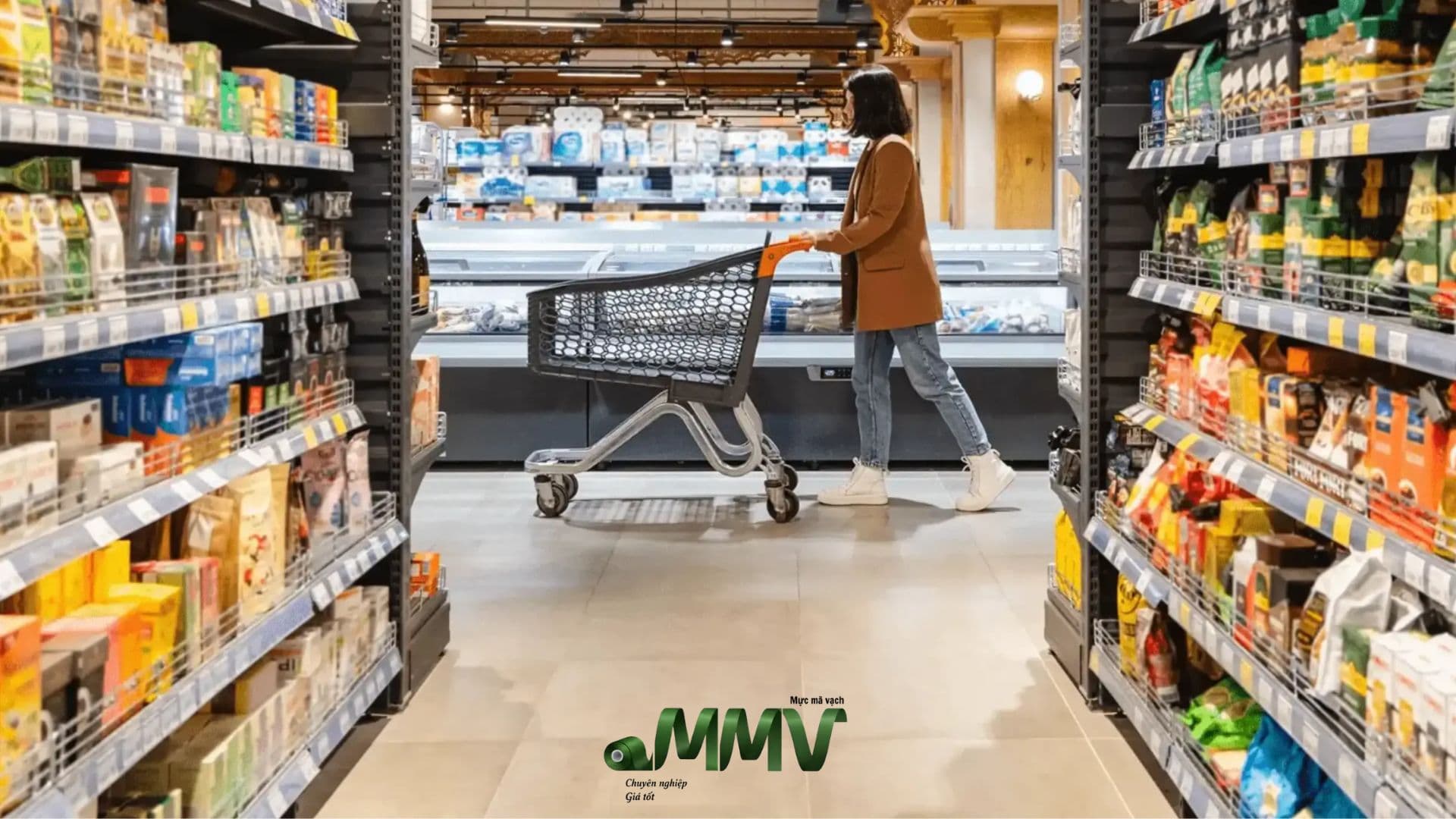
Thermal transfer printing has become a trusted solution for retailers worldwide. By using a thermal transfer ribbon to transfer ink onto paper or synthetic labels, businesses can produce sharp, long-lasting prints that withstand handling throughout the retail supply chain. Learn more with Muc Ma Vach right now.
1. Why Retail Labels Are More Important Than Ever
Retail has changed significantly over the past decade. Consumers now expect accurate pricing, real-time stock availability, fast checkout, and detailed product information whether they shop in-store or online.
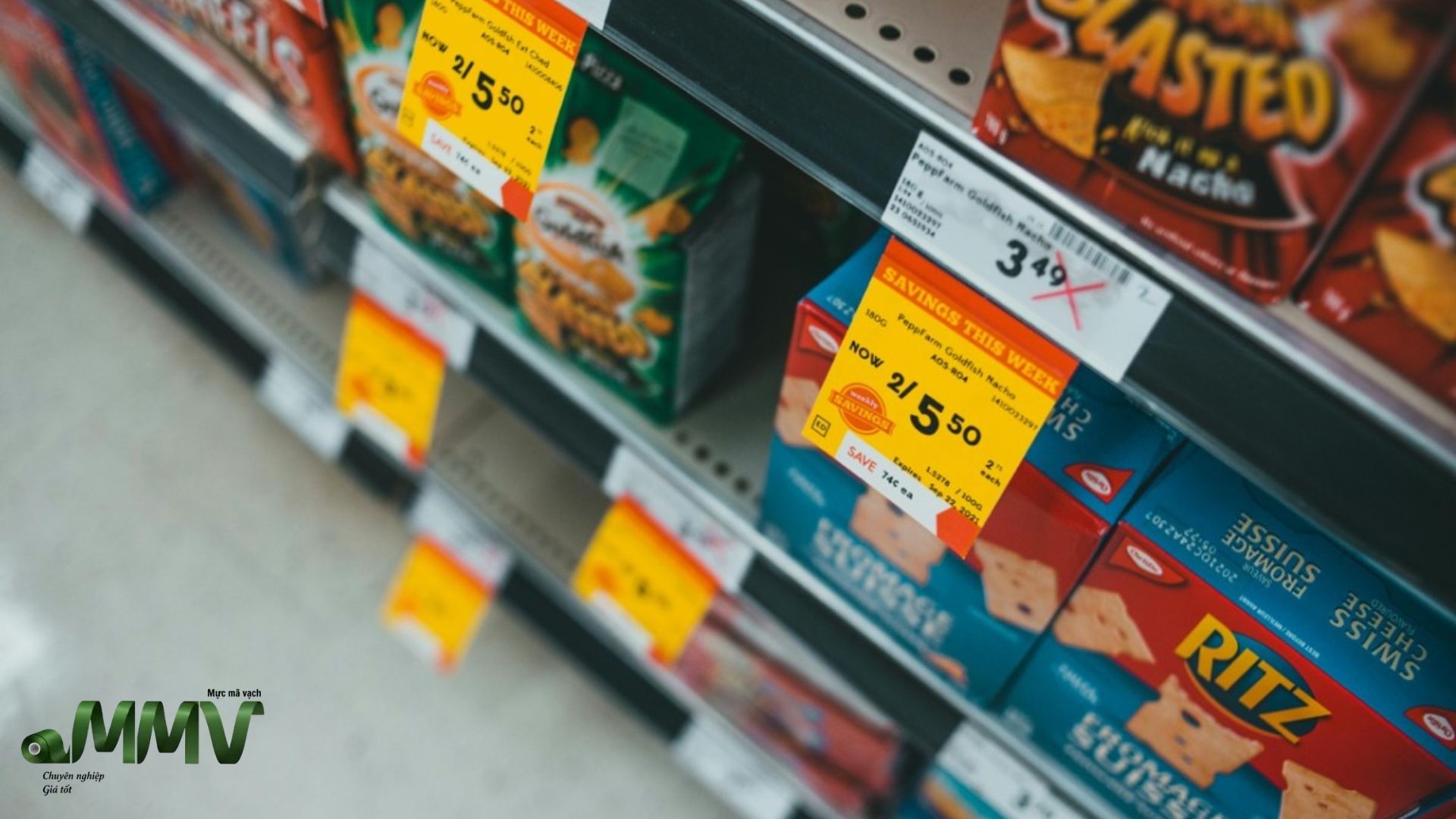
Retail labels help businesses:
- Identify products quickly
- Display accurate pricing
- Improve inventory management
- Support barcode scanning
- Enable efficient replenishment
- Reduce pricing errors
- Improve customer confidence
- Support promotional campaigns
- Maintain product traceability
Without reliable labels, retailers risk inaccurate stock levels, slower checkout times, misplaced products, and dissatisfied customers.
For businesses operating hundreds or thousands of retail locations, consistent labeling is essential for maintaining operational efficiency.
2. The Different Types of Retail Labels
Retail environments use many different label formats depending on the product, store layout, and operational requirements.
2.1. Shelf Price Labels
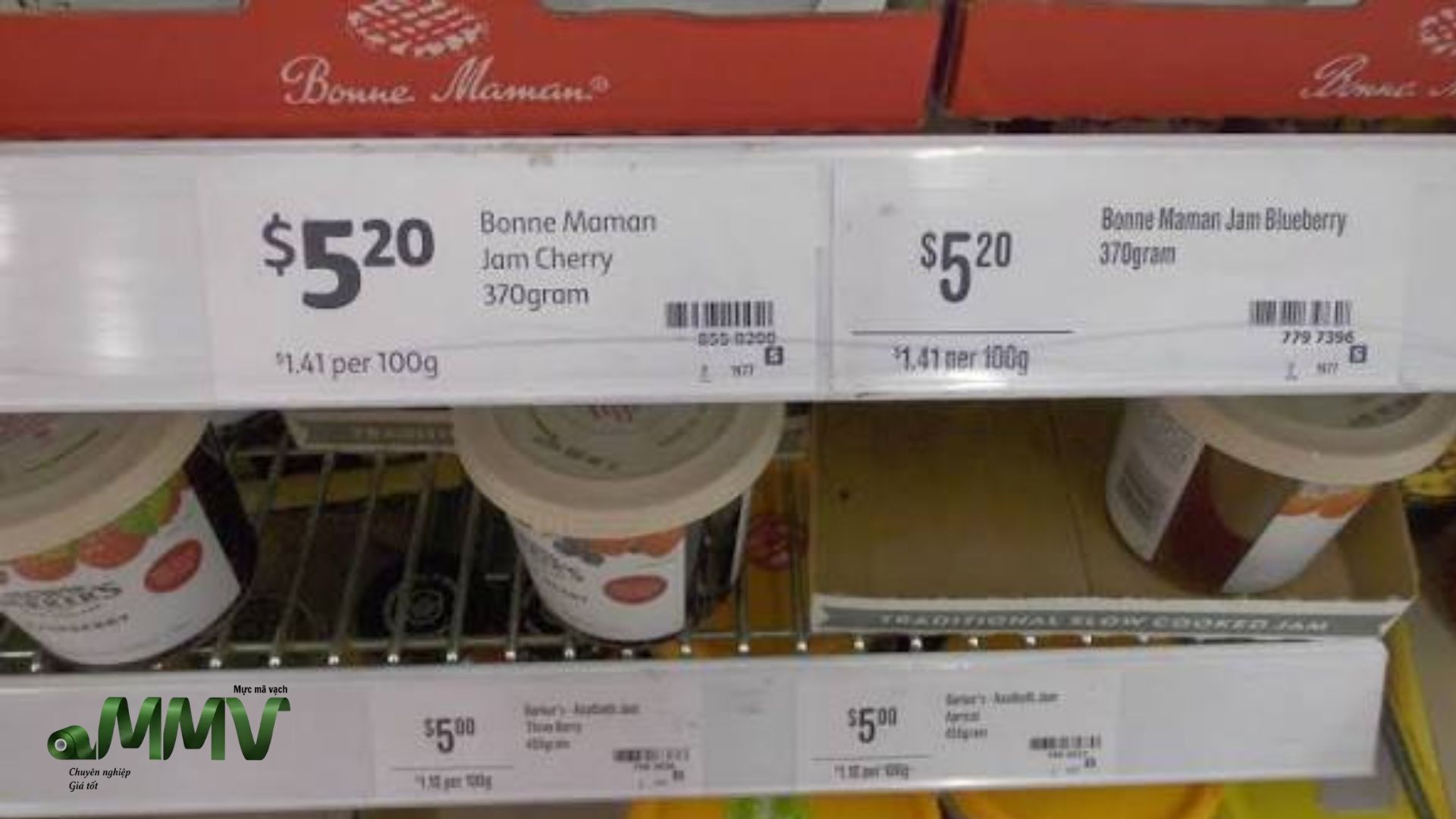
Shelf labels are among the most visible labels in any retail store.
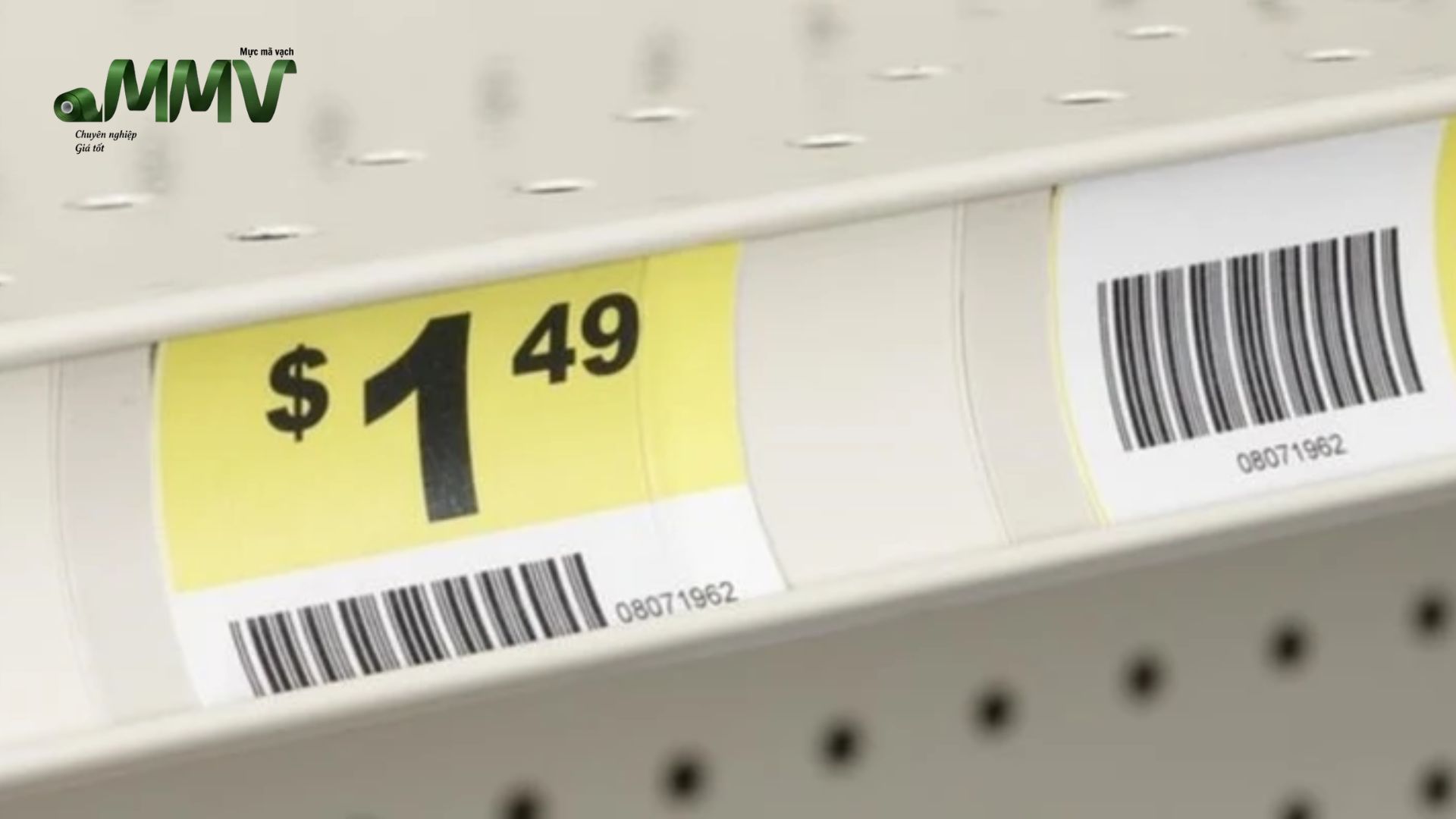
They display important information including:
- Product name
- Selling price
- Unit pricing
- Promotional offers
- Barcode information
- Internal stock codes
Because pricing changes frequently, shelf labels must be easy to print while remaining clear and professional throughout their use.
Well-designed shelf labels also help customers compare products quickly, improving the overall shopping experience.
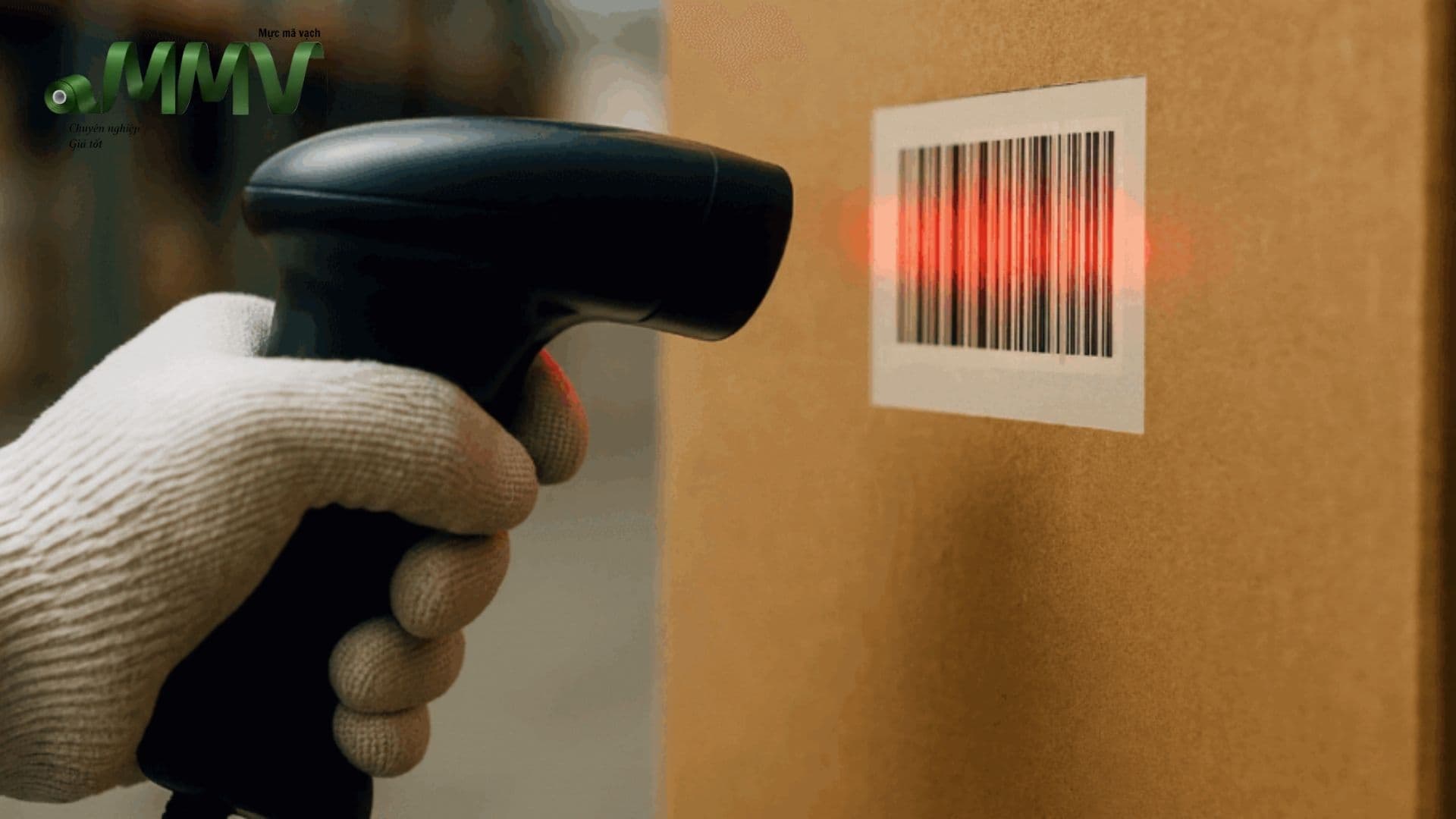
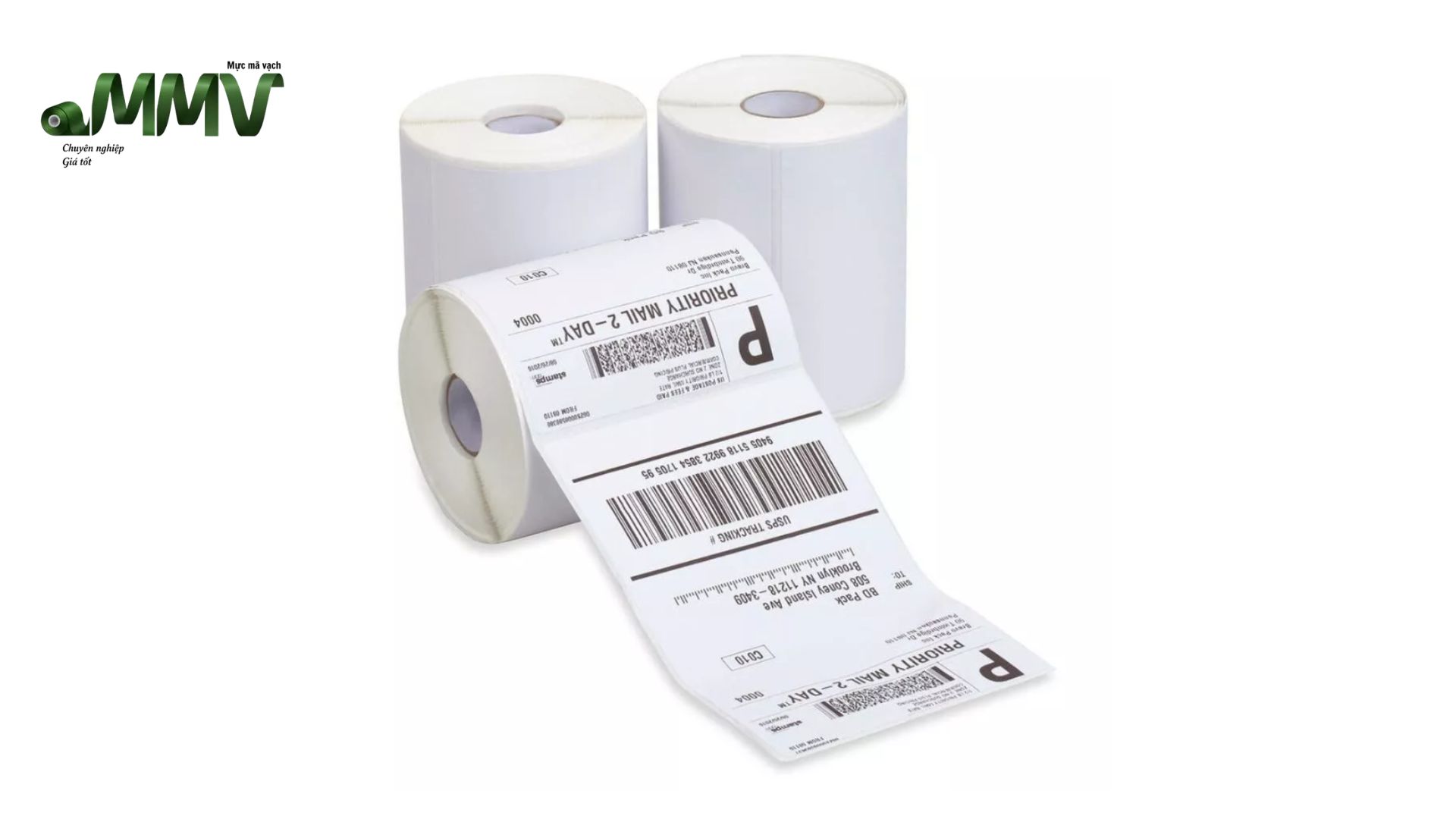
2.2. Barcode Labels
Every barcode links a physical product to information stored within the retailer's inventory management system.
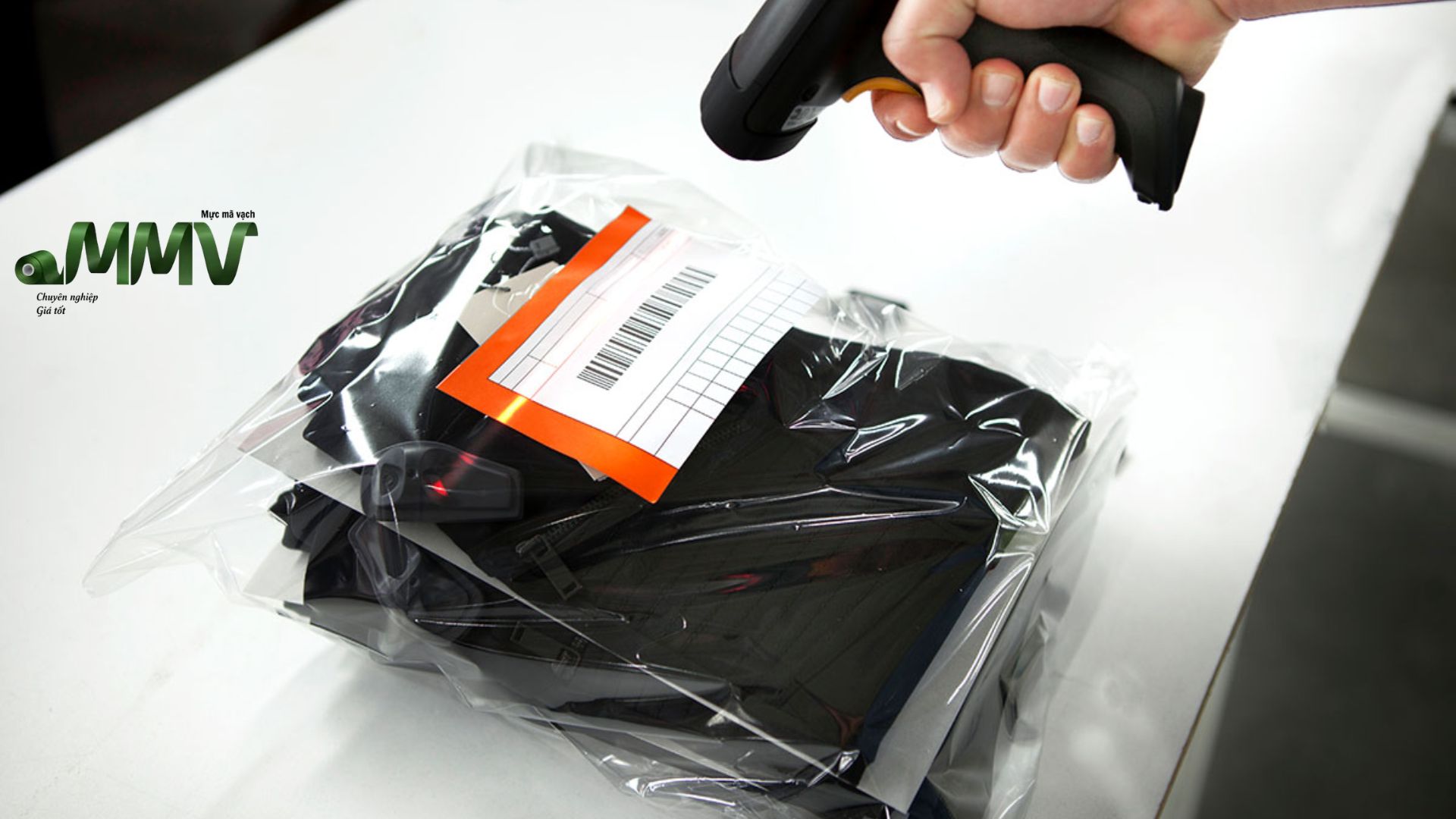
Barcode labels support:
- Product identification
- Inventory tracking
- Stock replenishment
- Point-of-sale transactions
- Returns processing
- Price verification
Poor print quality can slow checkout and increase scanning errors, making barcode quality one of the most important aspects of retail labeling.
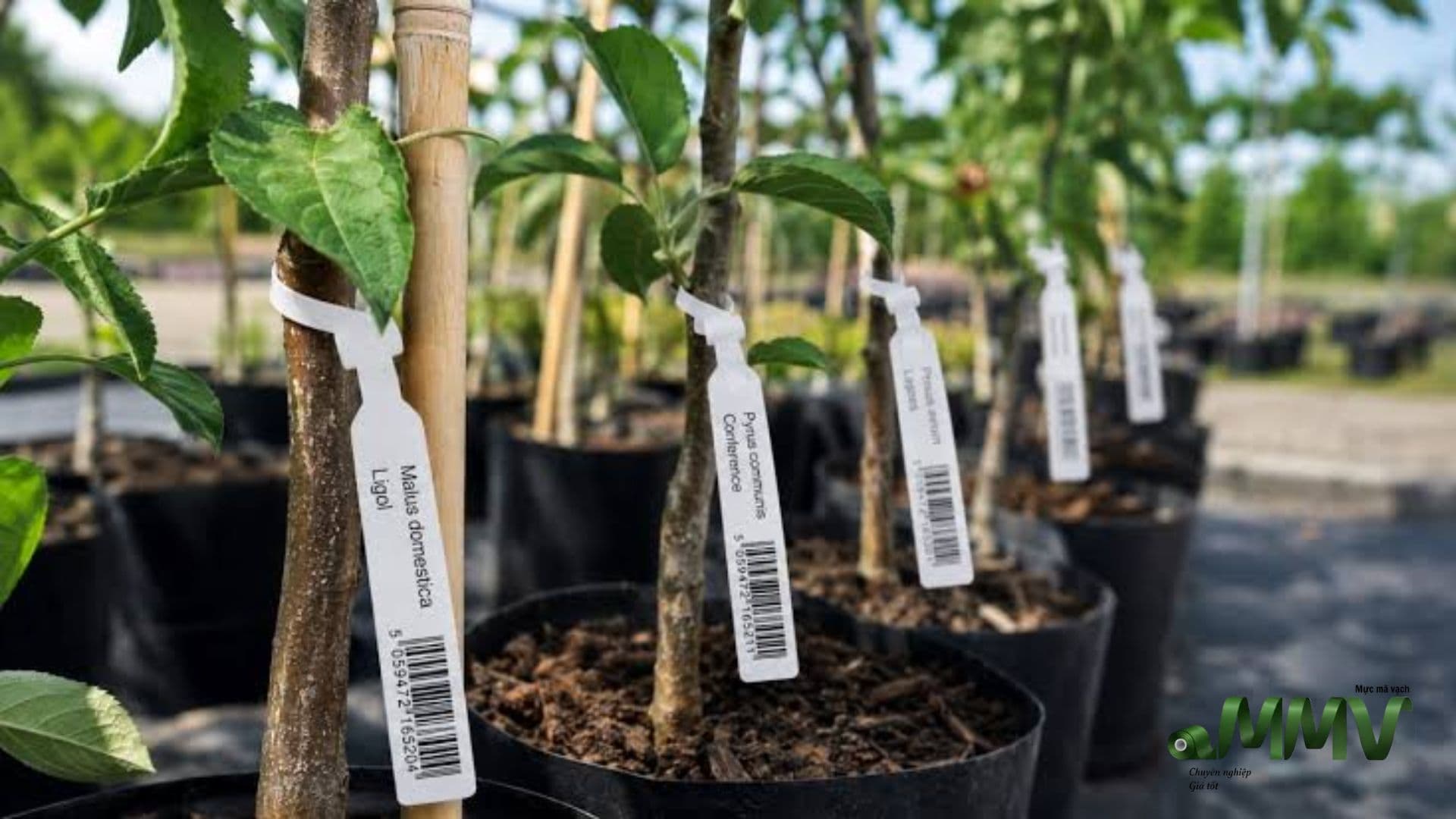
2.3. Hang Tags
Hang tags are widely used in fashion, footwear, sporting goods, luggage, and gift products.
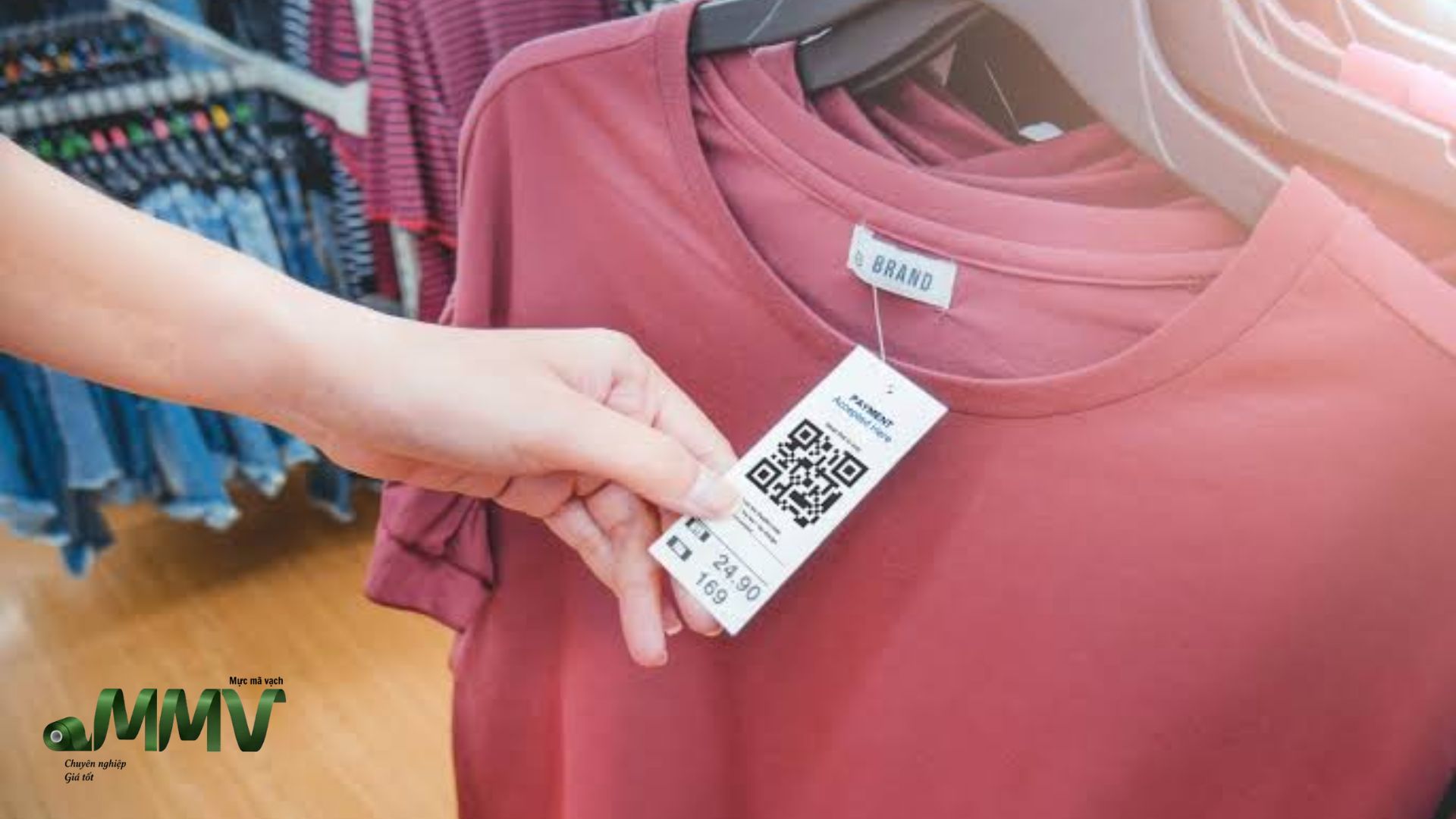
In addition to displaying pricing information, they often contain:
- Product descriptions
- Brand information
- Size details
- Colour variations
- Material composition
- Promotional messaging
- Care instructions
Because customers frequently handle these products before purchase, hang tags must remain clean, attractive, and easy to read.
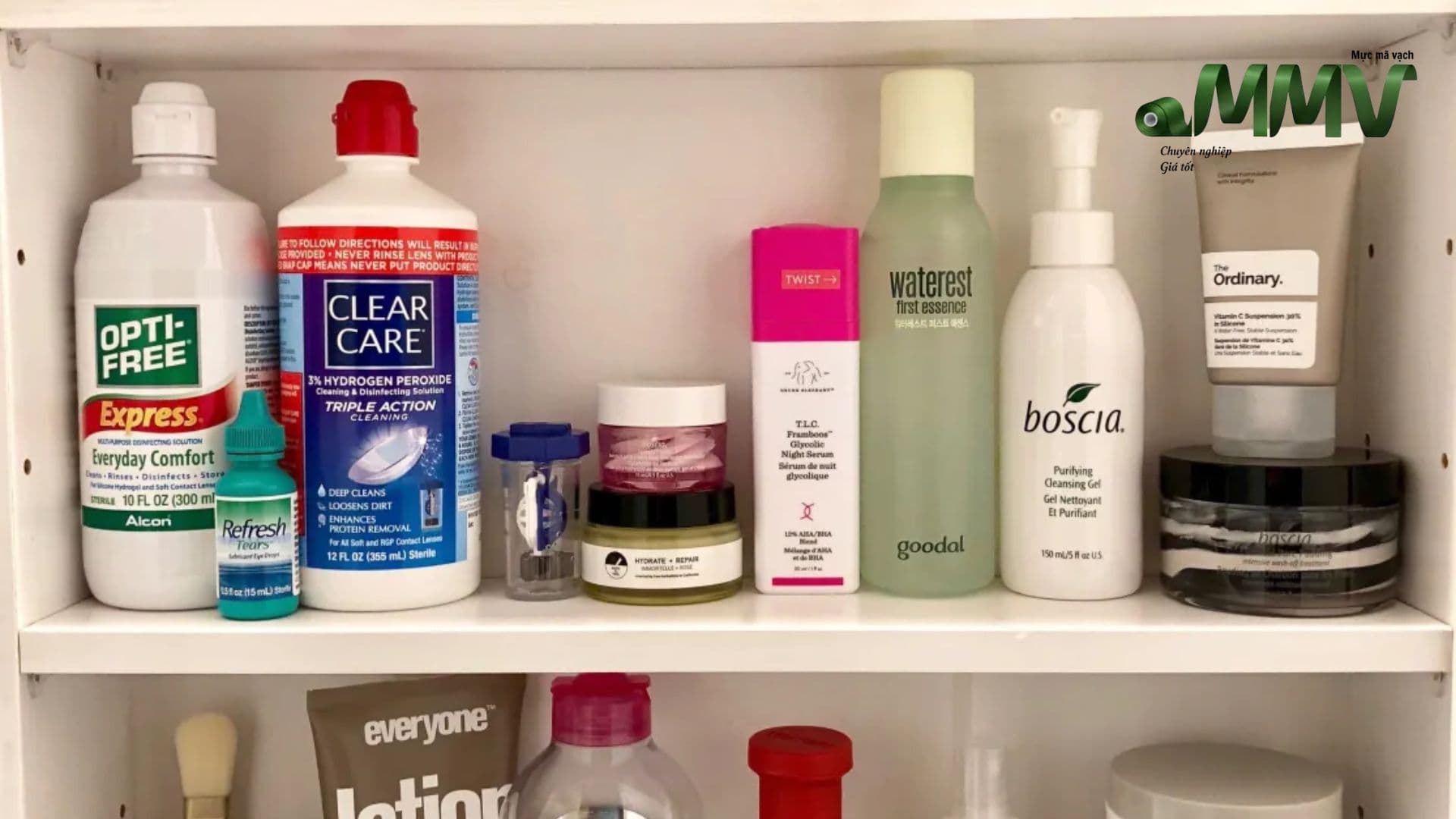
2.4. Product Packaging Labels
Many retailers also print labels directly onto packaging.
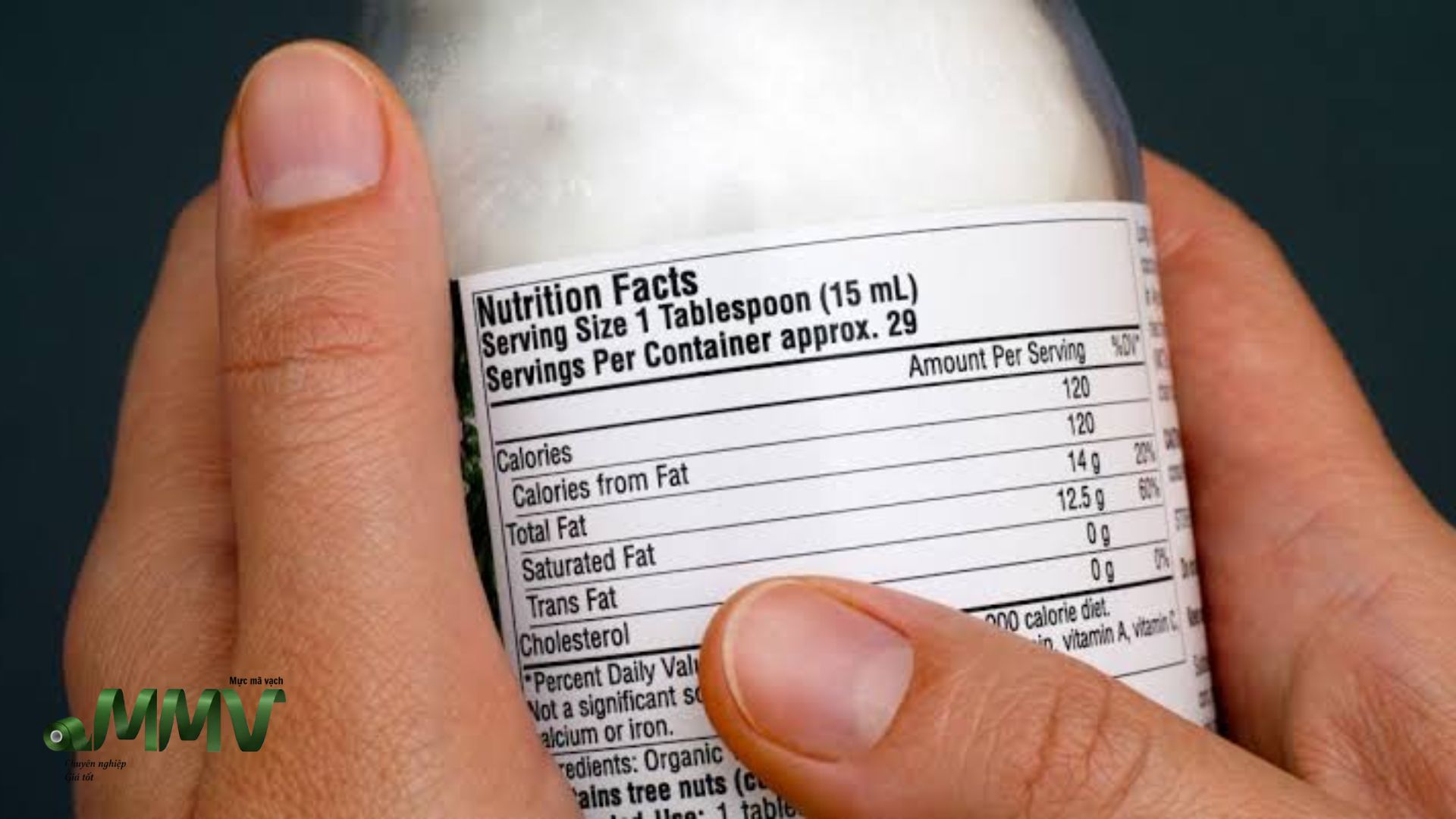
These labels may include:
- Product specifications
- Batch numbers
- Expiry dates
- Promotional information
- QR codes
- Manufacturer details
Clear packaging labels help consumers make purchasing decisions while supporting traceability throughout the supply chain.
2.5. Promotional Labels
Retail promotions rely heavily on temporary labels.
Examples include:
- Discount labels
- Clearance stickers
- Seasonal promotions
- Multi-buy offers
- Limited-time campaigns
Although temporary, these labels still require excellent print quality and strong adhesion throughout the promotional period.
3. Common Challenges in Retail Labeling
Retail environments may appear less demanding than industrial workplaces, but labels are exposed to continuous handling throughout their lifecycle.
- Frequent Product Handling: Customers regularly pick up, compare, and return products to shelves. This repeated handling can cause labels to rub against hands, shopping baskets, shelving, and neighbouring products. Labels that smudge or scratch too easily can quickly become unreadable.
- Constant Price Updates: Retail pricing changes frequently due to promotions, seasonal campaigns, supplier changes, and inventory adjustments. Retailers need printing systems capable of producing clear labels quickly without sacrificing quality.
- High Scanning Volumes: Products may be scanned multiple times before purchase. Every successful scan depends on a barcode that remains sharp and easy to read.
- Brand Presentation: Poorly printed labels, faded pricing information, or inconsistent branding can reduce customer confidence and negatively affect the shopping experience.
4. Why Thermal Transfer Printing Is Ideal for Retail
Unlike direct thermal printing, thermal transfer technology uses a ribbon to permanently transfer ink onto the label surface. This process offers several important advantages:
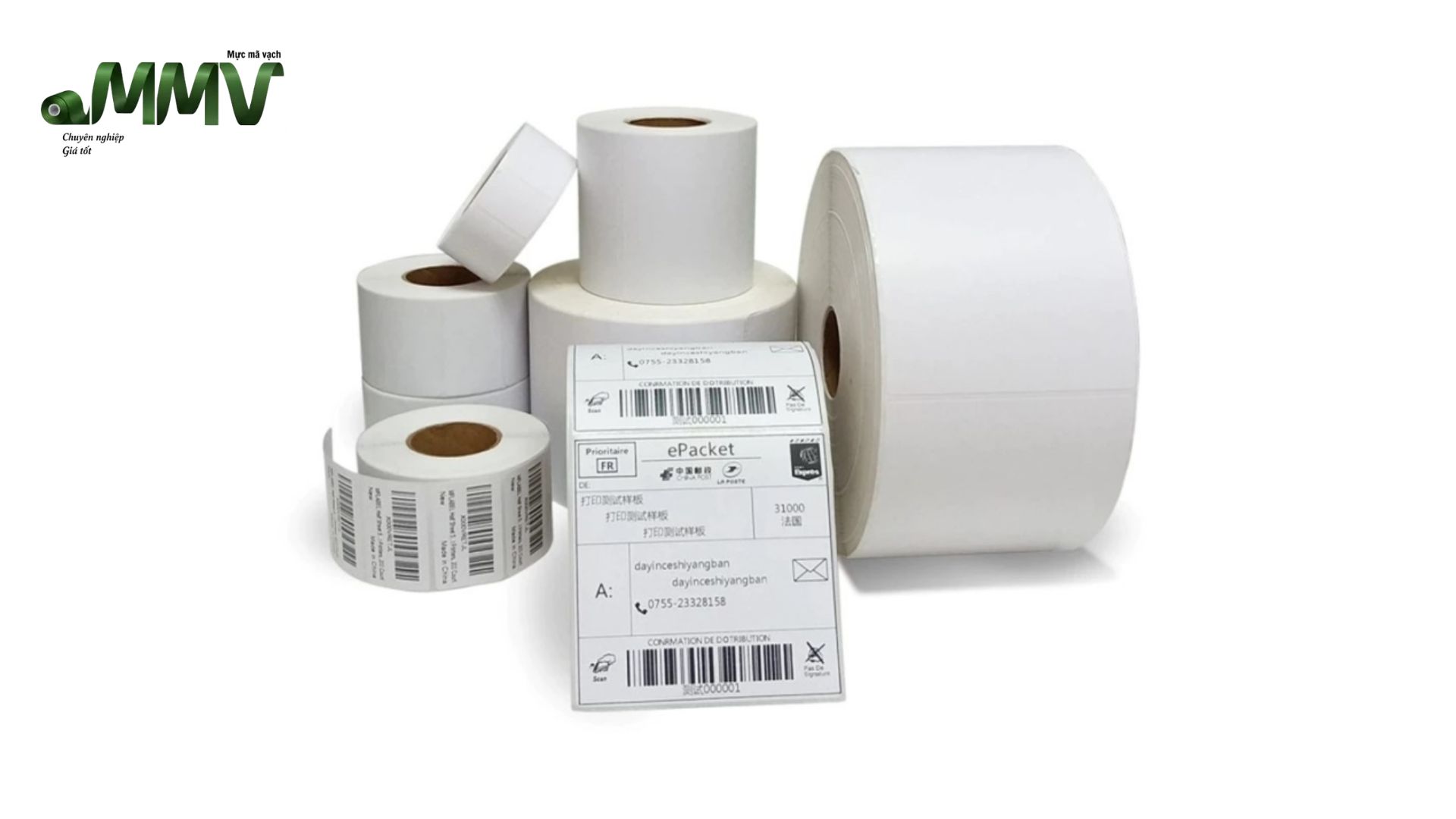
- Sharp Barcode Printing: Thermal transfer printers produce crisp barcode edges with excellent contrast. This improves scanner performance while reducing delays at checkout and during inventory counting.
- Long-Lasting Print Quality: Retail labels often remain on shelves or products for weeks or months. Thermal transfer printing helps prevent fading, smudging, and abrasion so important information remains readable throughout the label's intended lifespan.
- Flexible Printing: Retailers frequently print variable information including prices, promotions, product descriptions, barcode numbers, batch information, QR codes. Thermal transfer printing handles changing data efficiently while maintaining consistent print quality.
- Wide Media Compatibility: Retail businesses use many different label materials depending on the application. Thermal transfer ribbons can print on coated paper, semi-gloss paper, matte paper, synthetic labels, tag materials. This flexibility allows retailers to select the most appropriate label stock for each application.
5. Choosing the Right Thermal Transfer Ribbon for Retail Applications
Different retail applications require different levels of print durability. Choosing the right thermal transfer ribbon helps maintain barcode readability, protect product information, and balance print quality with operating costs.
Ribbon Type | Key Benefits | Common Retail Applications |
| Wax | Cost-effective, excellent print quality on paper labels, ideal for high-volume printing. | Supermarket shelf labels, price tags, carton labels, and standard barcode labels. |
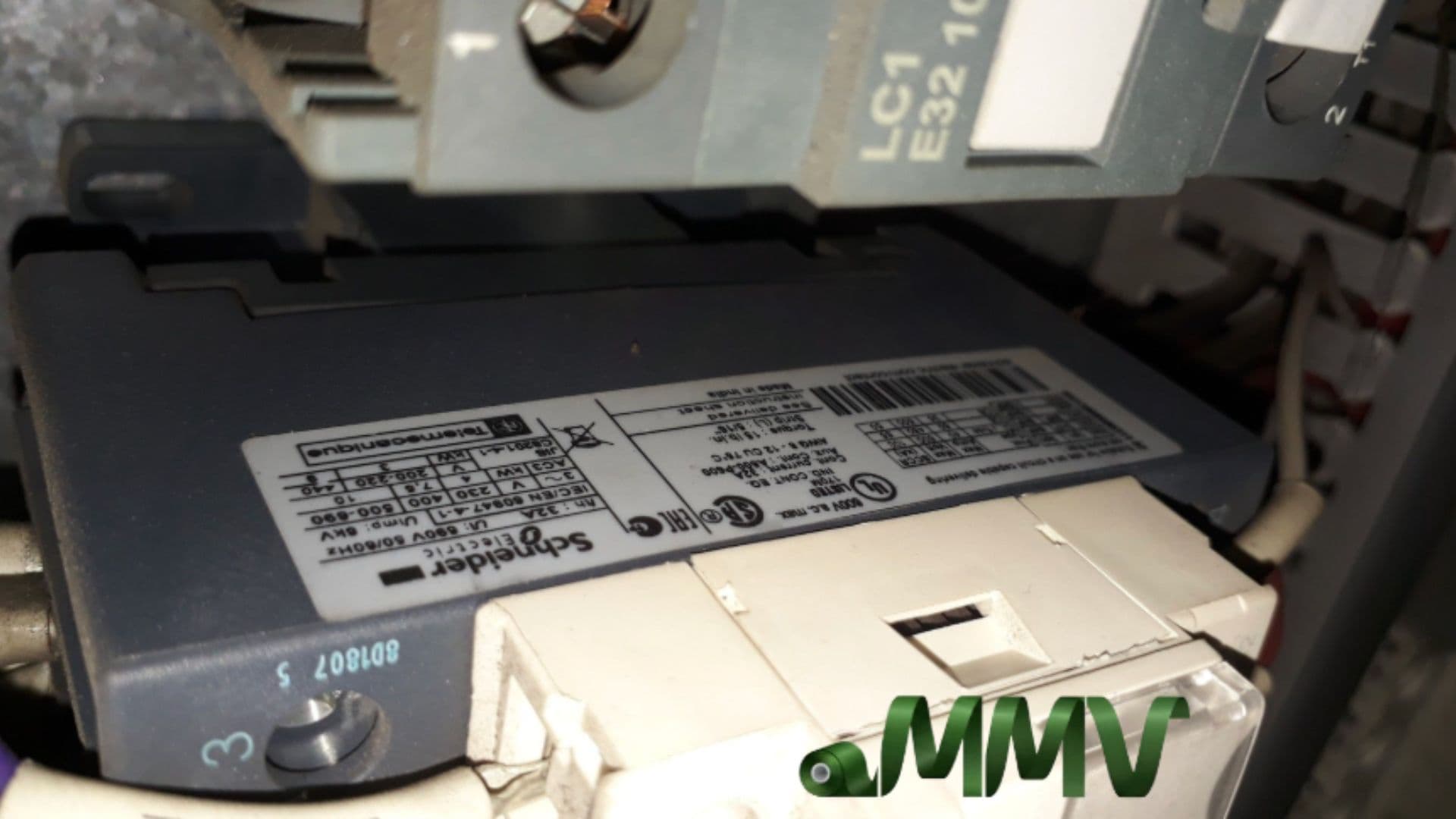
| Wax-Resin | Greater resistance to scratching and smudging, with a balance of durability and cost. | Apparel hang tags, premium product labels, electronics identification, and frequently handled products. |
| Resin | Highest resistance to abrasion, chemicals, moisture, and demanding environmental conditions. | Synthetic labels for outdoor displays, garden centres, hardware stores, and products exposed to harsh conditions. |
Selecting the appropriate ribbon for each application helps reduce reprints and label waste, maintain accurate barcode scanning, and support efficient retail operations.
6. Best Practices for Retail Label Printing
Producing high-quality retail labels requires more than selecting the right ribbon. Consistent printing practices help ensure labels perform reliably every day.
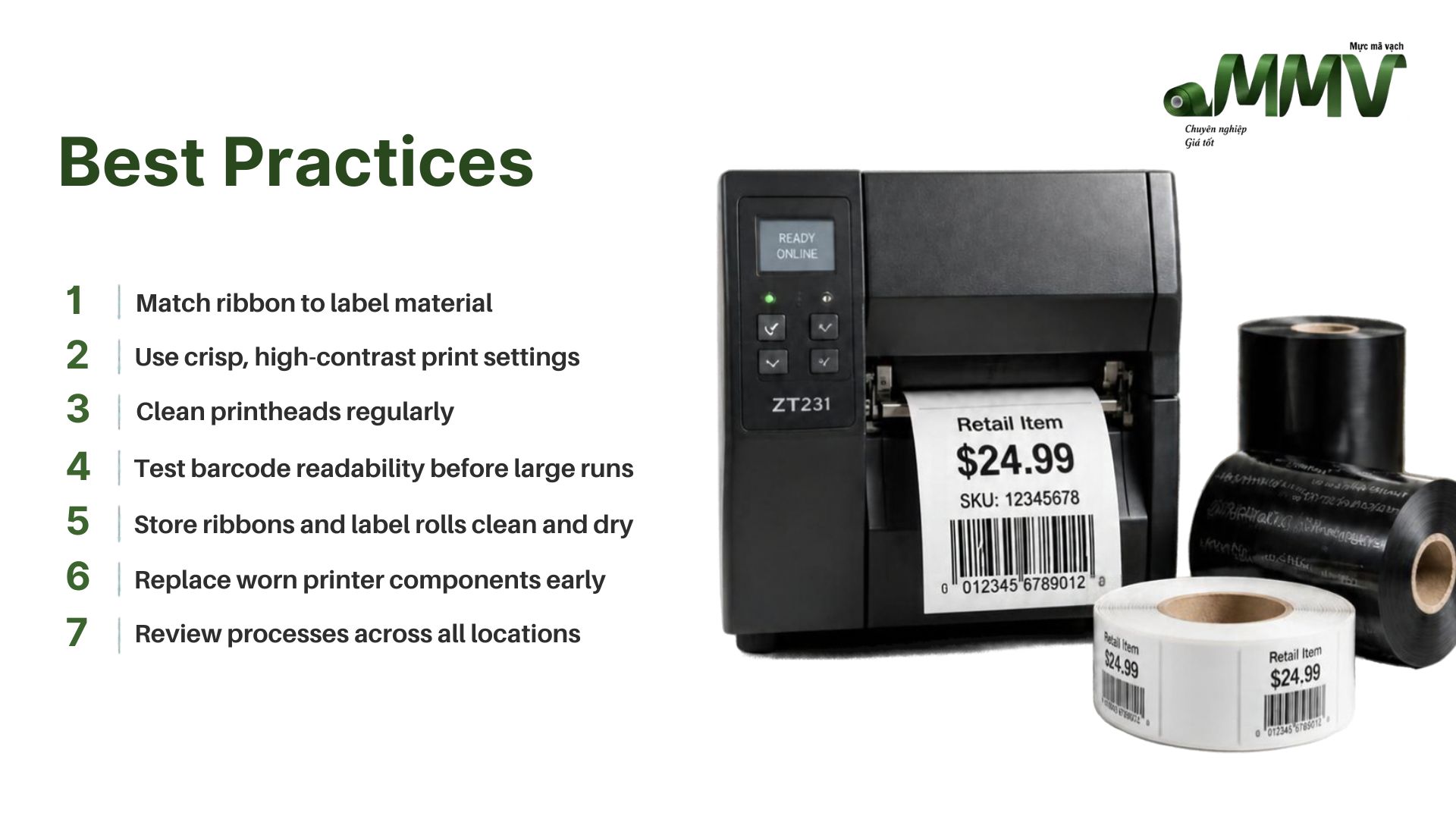
Retailers should consider the following best practices:
- Match the ribbon to the label material.
- Use print settings that produce crisp text and high-contrast barcodes.
- Clean printheads regularly to maintain consistent print quality.
- Test barcode readability before large print runs.
- Store ribbons and label rolls in clean, dry conditions.
- Replace worn printer components before print quality deteriorates.
- Review labeling processes regularly to maintain consistency across multiple locations.
By following these practices, retailers can reduce reprints, improve scanning performance, and maintain a professional appearance across every product category.
Whether printing shelf labels, barcode labels, hang tags, promotional stickers, or packaging labels, selecting the correct thermal transfer ribbon helps ensure every label delivers reliable performance from the stockroom to the checkout.
7. Future Trends in Retail Labeling
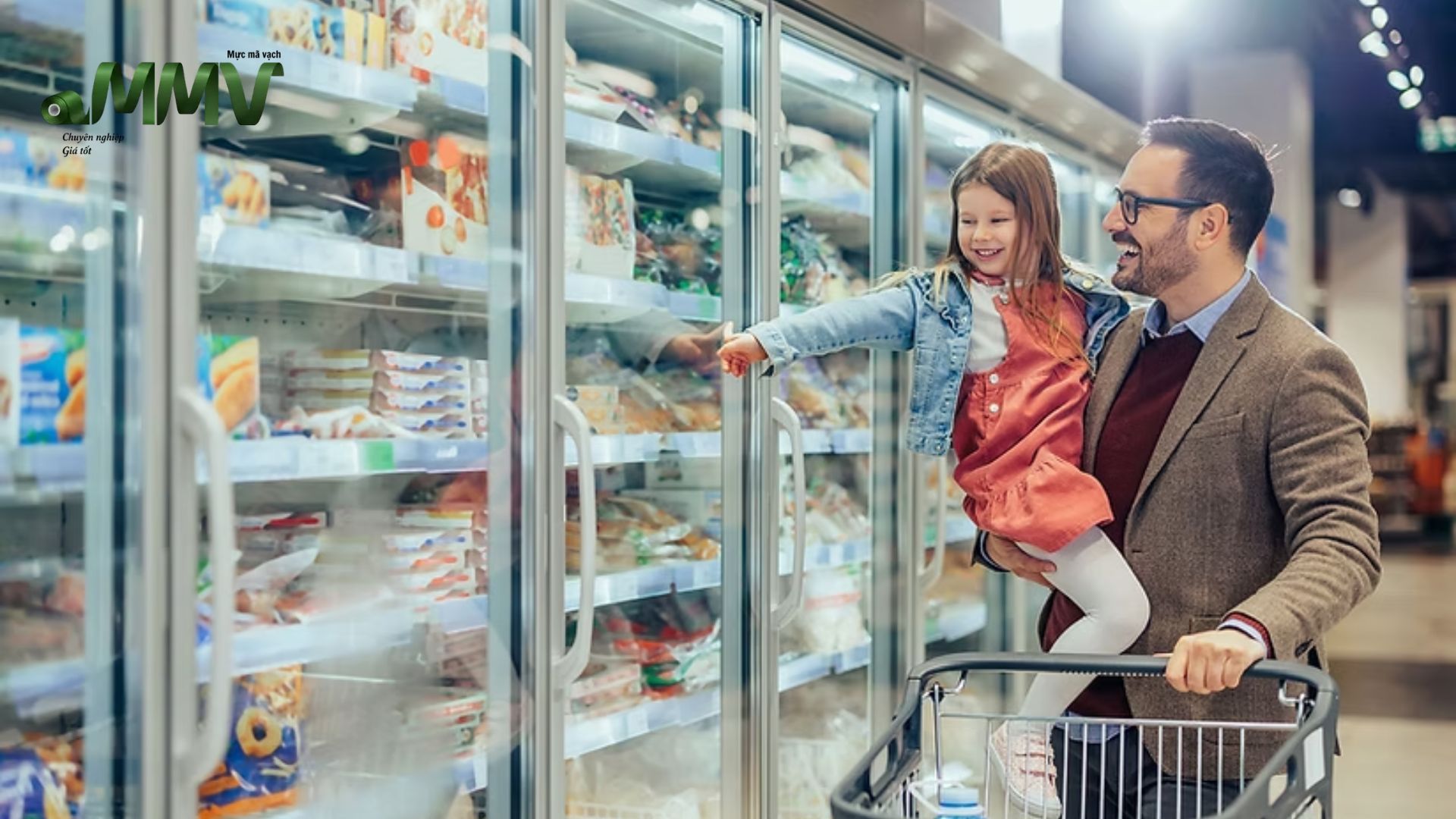
Labels are becoming increasingly important as they connect physical products with digital information and automated retail systems.
- Omnichannel Retail: Many retailers now sell through physical stores, online platforms, and click-and-collect services. Consistent labeling helps ensure products can be identified accurately across every sales channel, supporting efficient inventory management and order fulfilment.
- QR codes and digital customer engagement: Depending on the product, QR codes can provide product specifications, user guides, care instructions, promotional offers, product videos, sustainability information, customer reviews. This creates a richer shopping experience while reducing the amount of printed information required on the label itself.
- Sustainability: Producing durable labels that remain readable throughout their intended lifespan helps reduce waste caused by damaged or unreadable labels. Retailers are also exploring recyclable label materials, responsible sourcing, and more efficient printing processes to reduce their environmental impact.
8. Frequently Asked Questions
8.1. What is the best thermal transfer ribbon for retail labels?
The best ribbon depends on the application. Wax ribbons are ideal for many paper labels, wax-resin ribbons provide greater durability for frequently handled products, and resin ribbons are recommended for synthetic labels used in demanding environments.
8.2. Can thermal transfer printers produce promotional labels?
Yes. Thermal transfer printers are well suited to printing promotional labels, temporary pricing labels, barcode labels, and other retail materials that require variable information such as discounts or seasonal offers.
8.3. How can retailers improve inventory management?
Accurate labeling, reliable barcode scanning, well-maintained printers, and consistent labeling procedures all contribute to better inventory visibility and fewer stock discrepancies.
8.4. Are thermal transfer labels suitable for outdoor retail applications?
Yes. When combined with synthetic label materials and resin ribbons, thermal transfer printing can produce highly durable labels suitable for outdoor displays and demanding retail environments.
If you have further questions and are wondering how to optimize your business through your choice of ribbons, send Muc Ma Vach an email or a call and our team is happy to help.
Hotline: +84 362 474 463 or +84 986 039 044
Email: info@mucmavach.vn
Website: https://mucmavach.vn