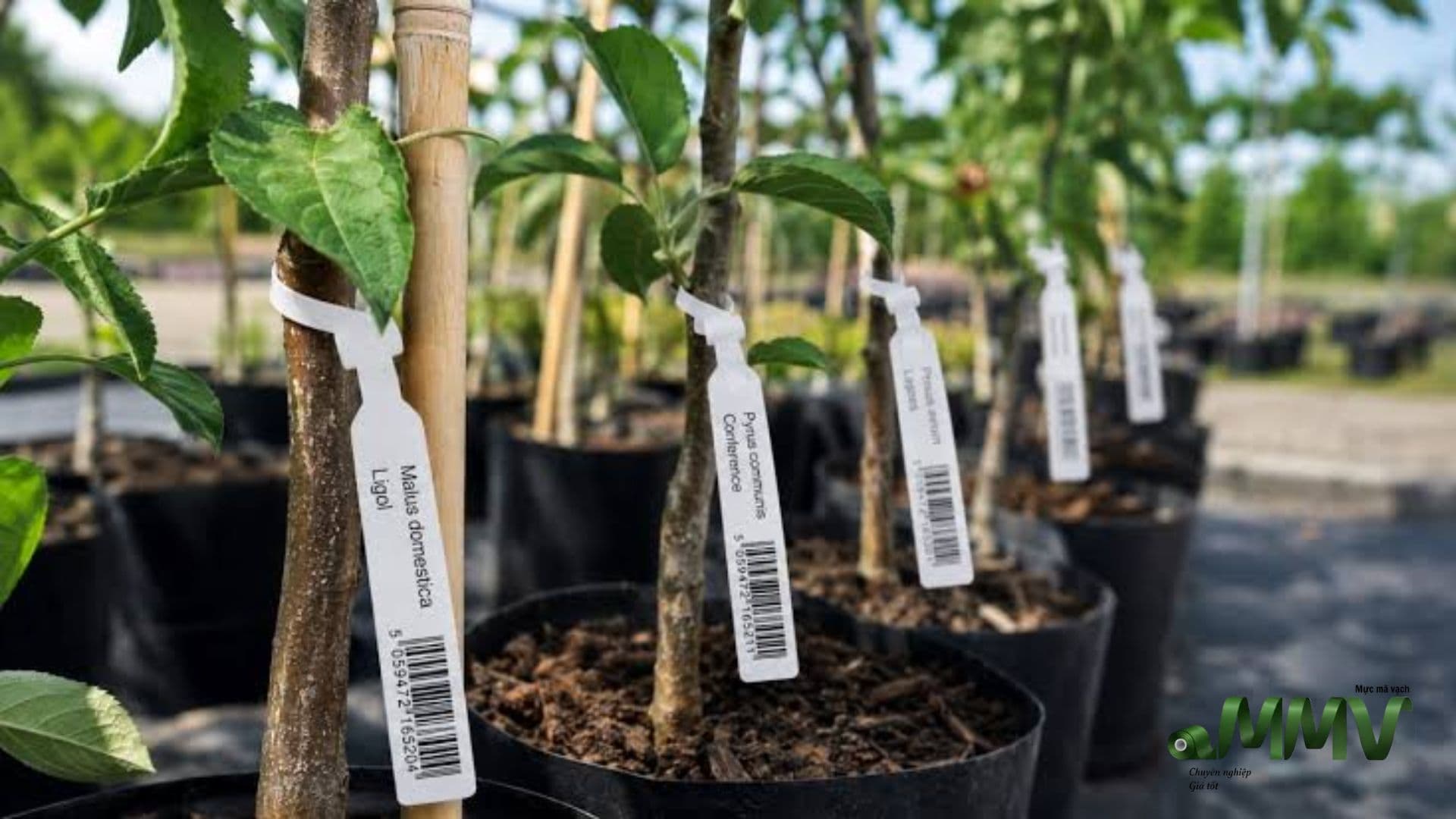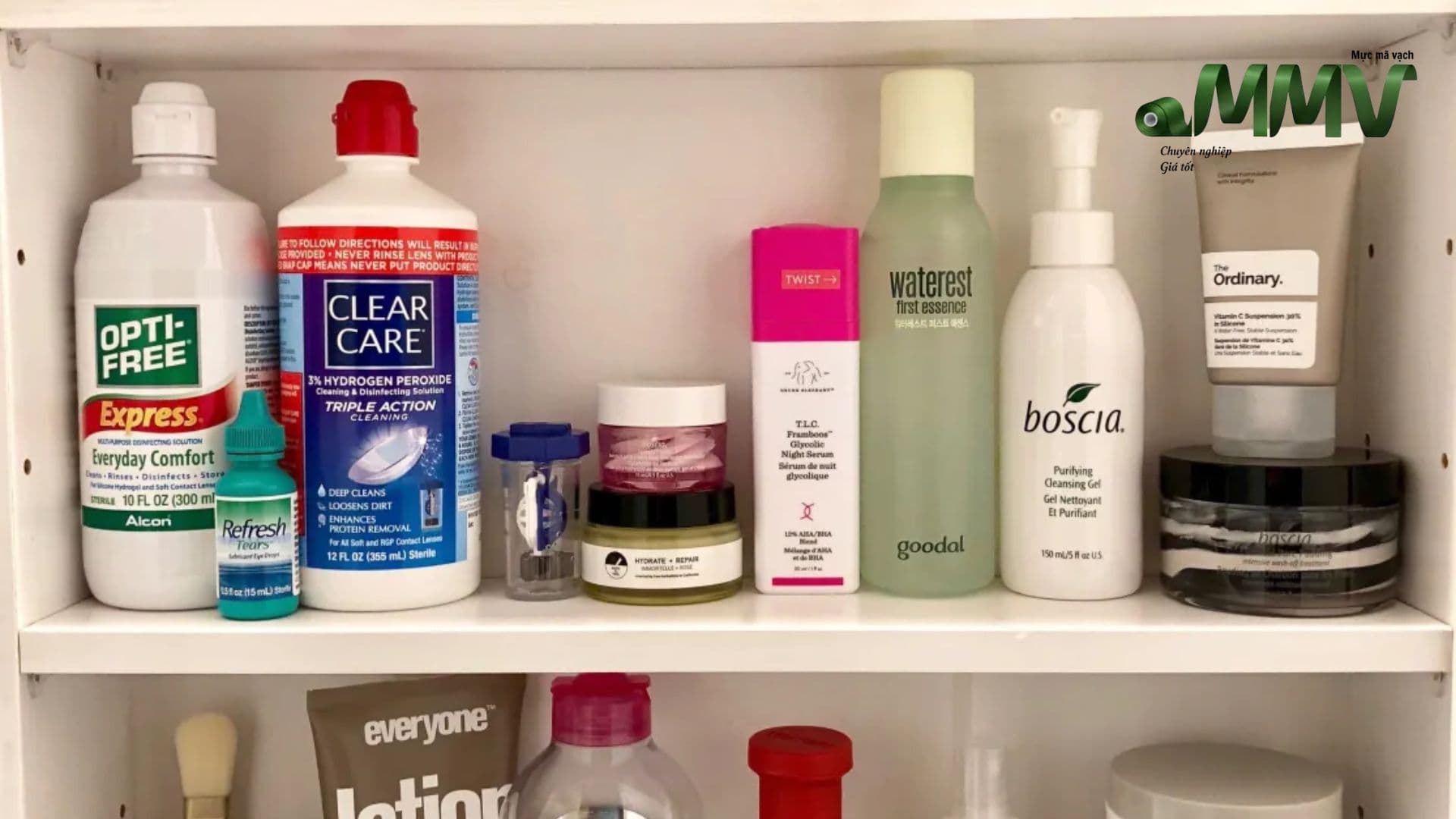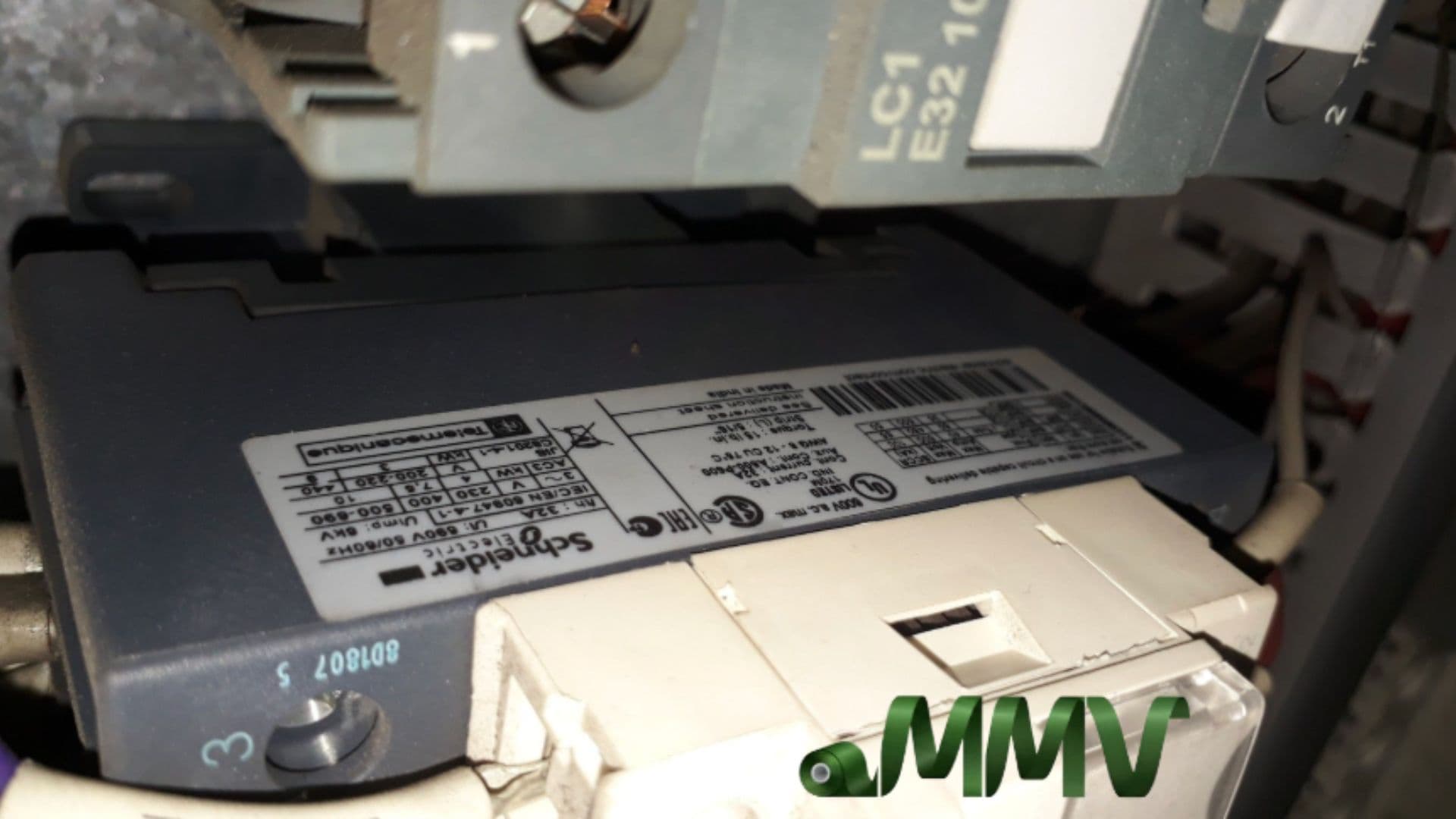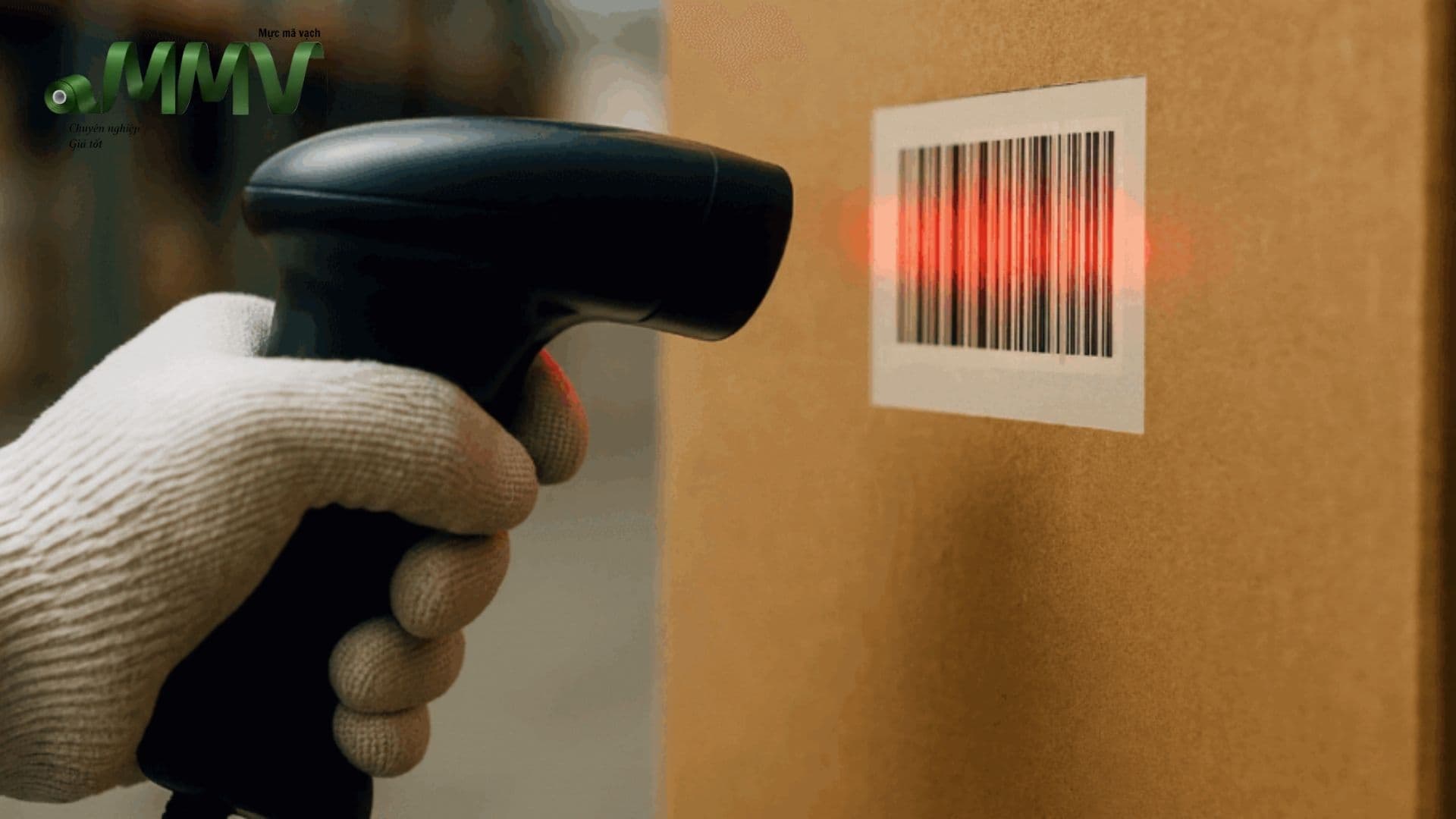
Industrial labeling requires durable materials and reliable printing to ensure product identification, barcode readability, and efficient inventory management. Thermal transfer printing offers a versatile solution for various industrial environments, delivering high-quality prints when paired with the right label material and ribbon. Learn more with Muc Ma Vach about thermal transfer ribbons and labeling solutions to support reliable printing performance across industrial applications.
1. Why Barcode Labels Are Essential in Industrial Applications
Industrial environments place much higher demands on barcode labels than retail or office settings. Labels used in manufacturing plants, warehouses, metal processing facilities, chemical factories, and industrial equipment often face harsh conditions such as heat, dust, moisture, oil, abrasion, and chemical exposure.
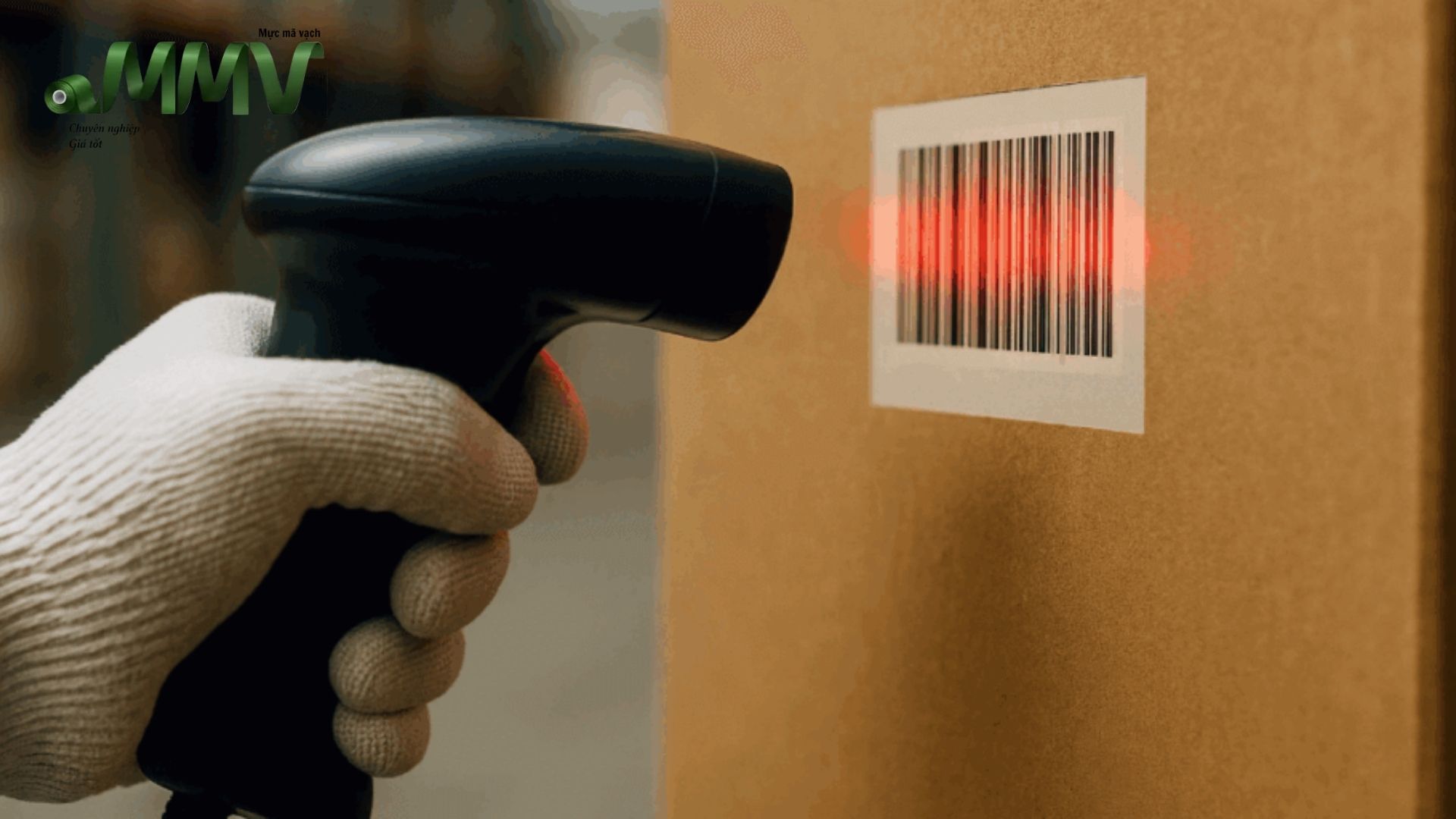
In these environments, barcode labels are more than simple identification tools. They play a critical role in inventory management, production tracking, asset identification, quality control, and supply chain operations. A damaged or unreadable barcode can lead to production delays, shipping errors, inventory discrepancies, or even compliance issues.
Industrial labels are commonly applied to:
- Production components and work-in-process items
- Machinery and equipment identification
- Asset tracking labels
- Warehouse and pallet labels
- Chemical containers and industrial packaging
- Electrical and electronic components
- Logistics and shipping labels
Because many industrial labels must remain readable for months or even years, print durability becomes one of the most important considerations. Thermal transfer ribbons offer the durability and reliability needed to ensure accurate barcode scanning throughout the entire product lifecycle.
2. Types of Labels Used in Industrial Applications
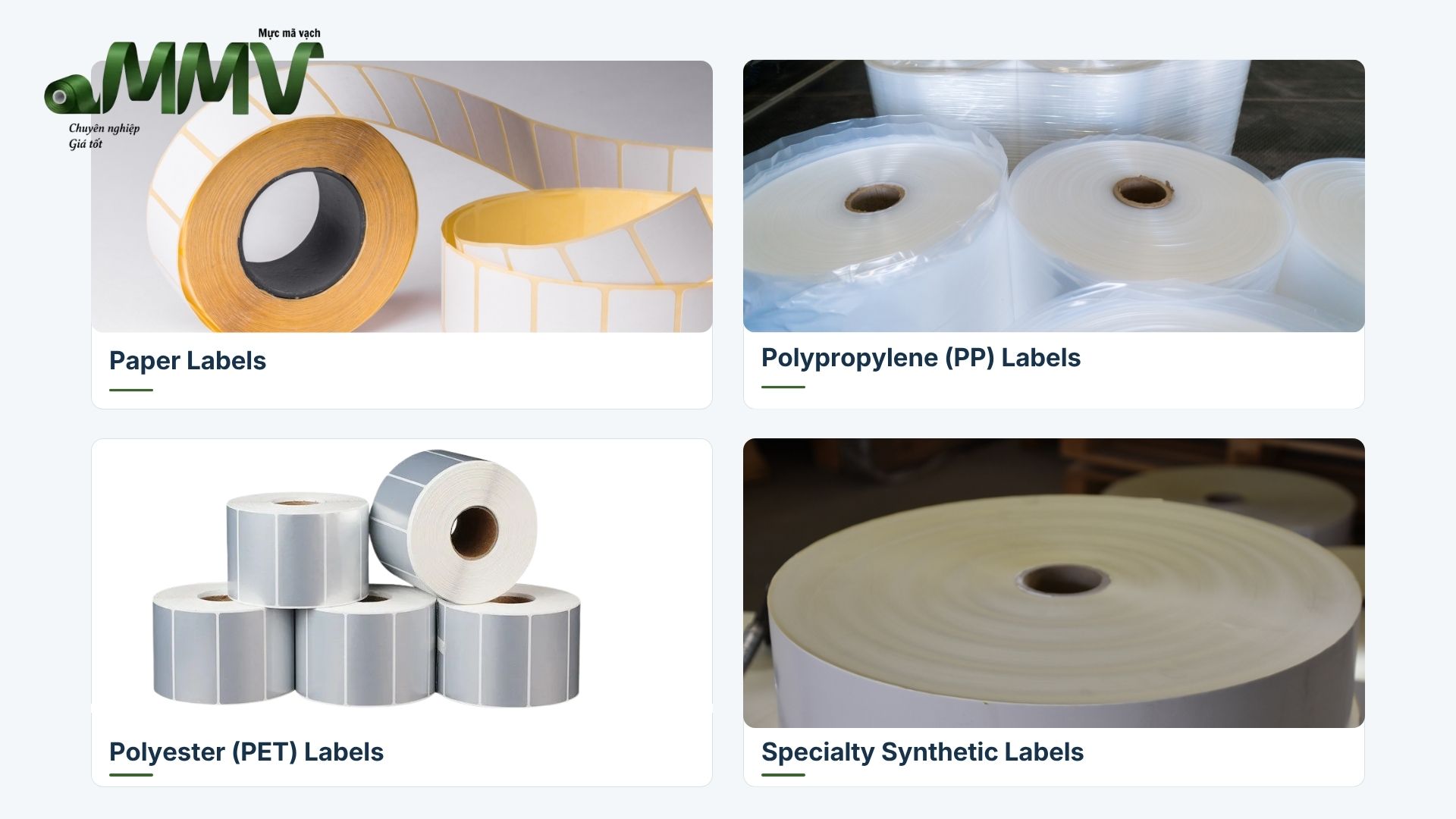
Industrial environments require labels that remain readable under different operating conditions. The choice of label material depends on the application, exposure to chemicals or moisture, temperature, and expected lifespan.
Label Type | Key Benefits | Common Applications |
| Paper Labels | Cost-effective and suitable for clear, high-volume printing. | Carton labels, shipping labels, and indoor inventory identification. |
| Polypropylene (PP) Labels | Flexible and moisture-resistant. | Product identification, packaging, and labels exposed to humidity. |
| Polyester (PET) Labels | Excellent resistance to abrasion, chemicals, and demanding environments. | Equipment identification, asset tracking, and industrial nameplates. |
| Specialty Synthetic Labels | Designed for specific requirements, such as high temperatures or harsh environmental exposure. | Chemical containers, electrical components, and manufacturing equipment. |
Selecting the right label material and compatible ribbon helps maintain label durability, readability, and reliable identification throughout industrial operations.
3. Why Thermal Transfer Printing Is Ideal for Industrial Applications
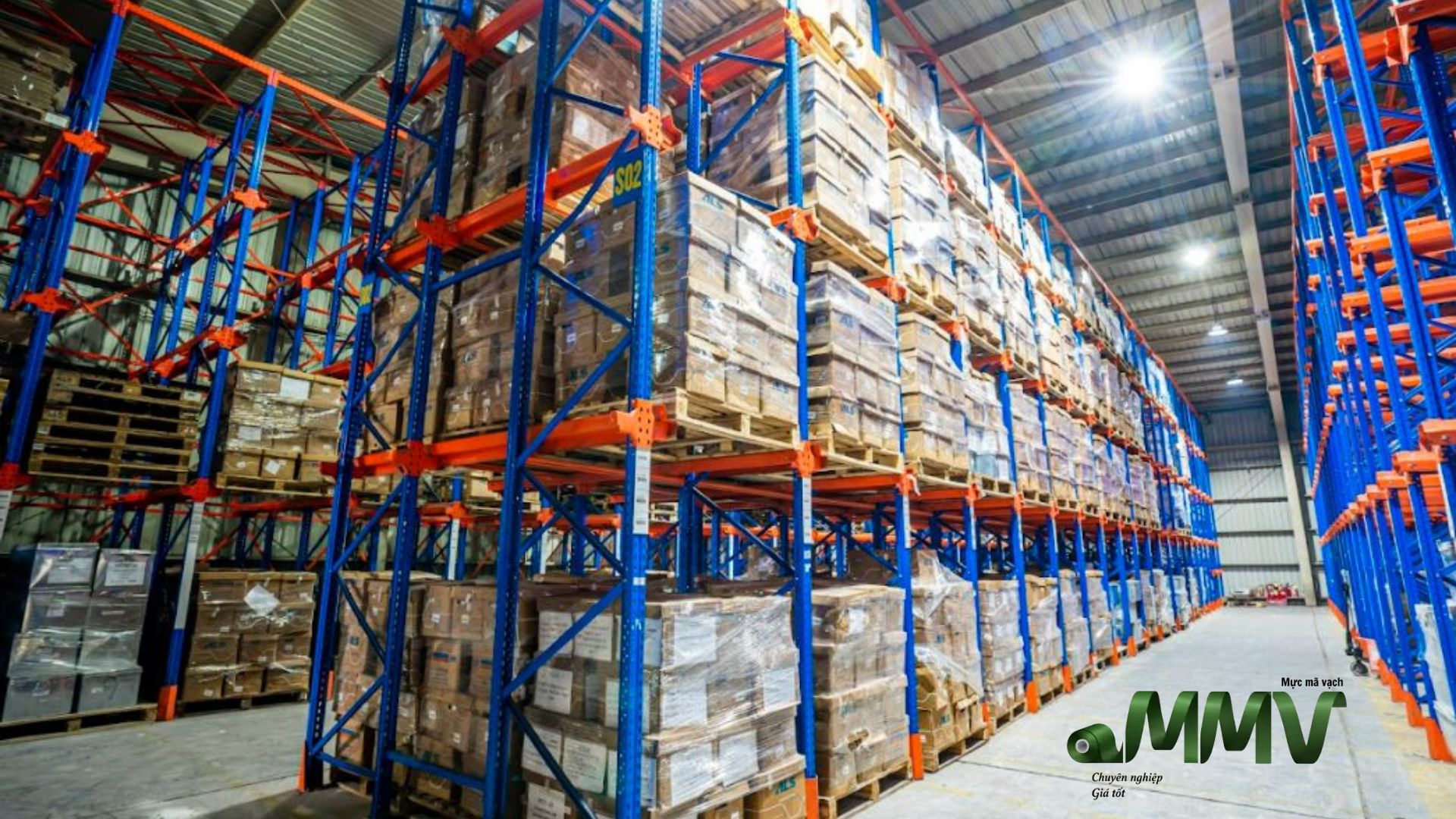
Thermal transfer printing produces sharp, durable text, barcodes, and graphics that support accurate product identification and efficient tracking. Combined with the appropriate ribbon and label material, it offers several advantages:
- Durable print quality: Resists smudging, abrasion, and environmental exposure when the correct ribbon and label combination is used.
- Reliable barcode scanning: Produces clear, high-resolution barcodes that support inventory management and traceability.
- Material versatility: Works with a wide range of paper and synthetic label materials.
- Long-lasting identification: Helps maintain readable product, equipment, and asset information throughout the required service life.
- Cost efficiency: Reduces the need for reprints and relabeling when the printing solution matches the application requirements.
These advantages make thermal transfer printing a practical solution for industrial labeling, where accuracy, durability, and consistent performance are essential.
4. Which Barcode Ribbon Is Suitable for Industrial Applications?
Industrial environments often require barcode labels that can withstand abrasion, heat, oil, chemicals, and long-term storage. Therefore, resin and wax/resin ribbons are commonly recommended because they provide better durability than standard wax ribbons.
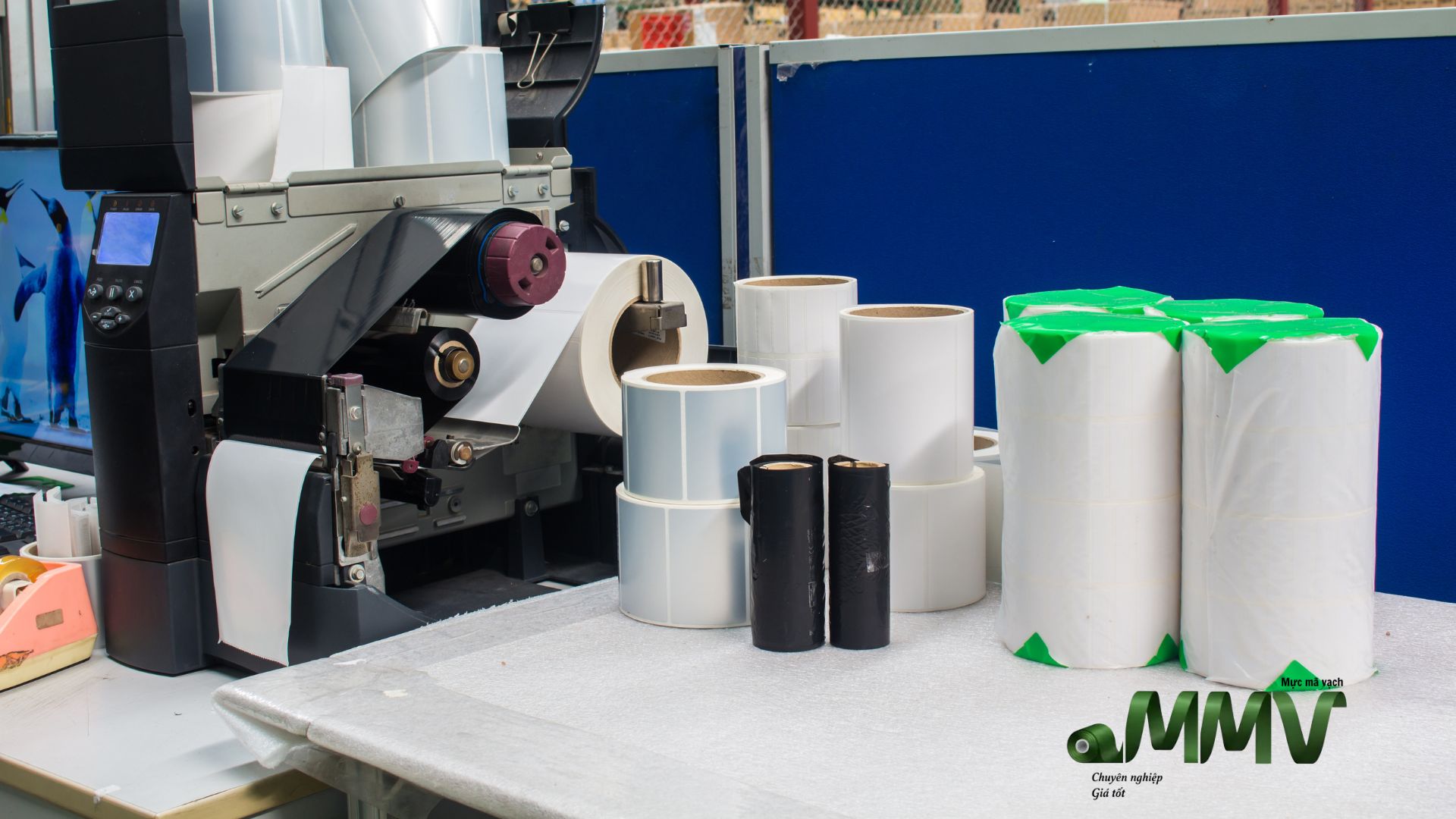
Some ribbon options commonly recommended for industrial applications include:
- DNP R300 Premium Resin: Excellent resistance to abrasion, chemicals, and high temperatures for harsh industrial environments.
- Ricoh D110A Resin: Durable resin ribbon suitable for long-lasting identification and asset labels.
- Armor APR6 Wax/Resin: A balanced solution that offers good durability and cost efficiency for general industrial labeling.
- Ricoh B110TI Wax/Resin: An economical option for warehouse, logistics, and manufacturing applications that require reliable barcode performance.
The most suitable ribbon ultimately depends on the label material, operating environment, required durability, and budget. Businesses can contact Mực Mã Vạch for technical consultation and recommendations based on their specific industrial labeling requirements.
5. Buy Industrial Barcode Ribbons from Mực Mã Vạch
Mực Mã Vạch supplies a wide range of thermal transfer ribbons for industrial applications, including resin and wax/resin ribbons from leading manufacturers. We provide various ribbon sizes, core options, and customized solutions to meet different printing requirements.
Our technical team can help businesses select the most suitable ribbon based on label material, operating conditions, durability requirements, and budget. Whether you need ribbons for manufacturing, warehousing, logistics, or industrial asset labeling, we are committed to delivering reliable products and professional support.
6. Frequently Asked Questions About Industrial Labeling
1. Which thermal transfer ribbon is best for industrial labels?
The best ribbon depends on the label material and operating environment. Wax ribbons suit general-purpose paper labels, wax-resin ribbons offer greater scratch resistance, and resin ribbons provide enhanced durability for demanding conditions.
2. What label materials are suitable for industrial applications?
Paper labels are suitable for general indoor use, while polypropylene (PP) offers moisture resistance. Polyester (PET) is preferred for applications requiring greater resistance to abrasion, chemicals, and harsh environments.
3. How can I ensure industrial barcode labels remain readable?
Choose a compatible ribbon and label material, optimize printer settings, and test print quality under actual operating conditions. Regular printhead maintenance also helps maintain barcode clarity and scanning accuracy.
4. How do I choose a thermal transfer ribbon for harsh industrial environments?
Consider exposure to heat, moisture, chemicals, abrasion, and outdoor conditions. Resin ribbons paired with compatible synthetic labels are often suitable for demanding environments, but the combination should be tested against specific application requirements.
Contact Mực Mã Vạch today for technical consultation, custom ribbon sizes, and competitive pricing for your industrial labeling applications!
Hotline: +84 362 474 463 or +84 986 039 044
Email: info@mucmavach.vn
Website: https://mucmavach.vn