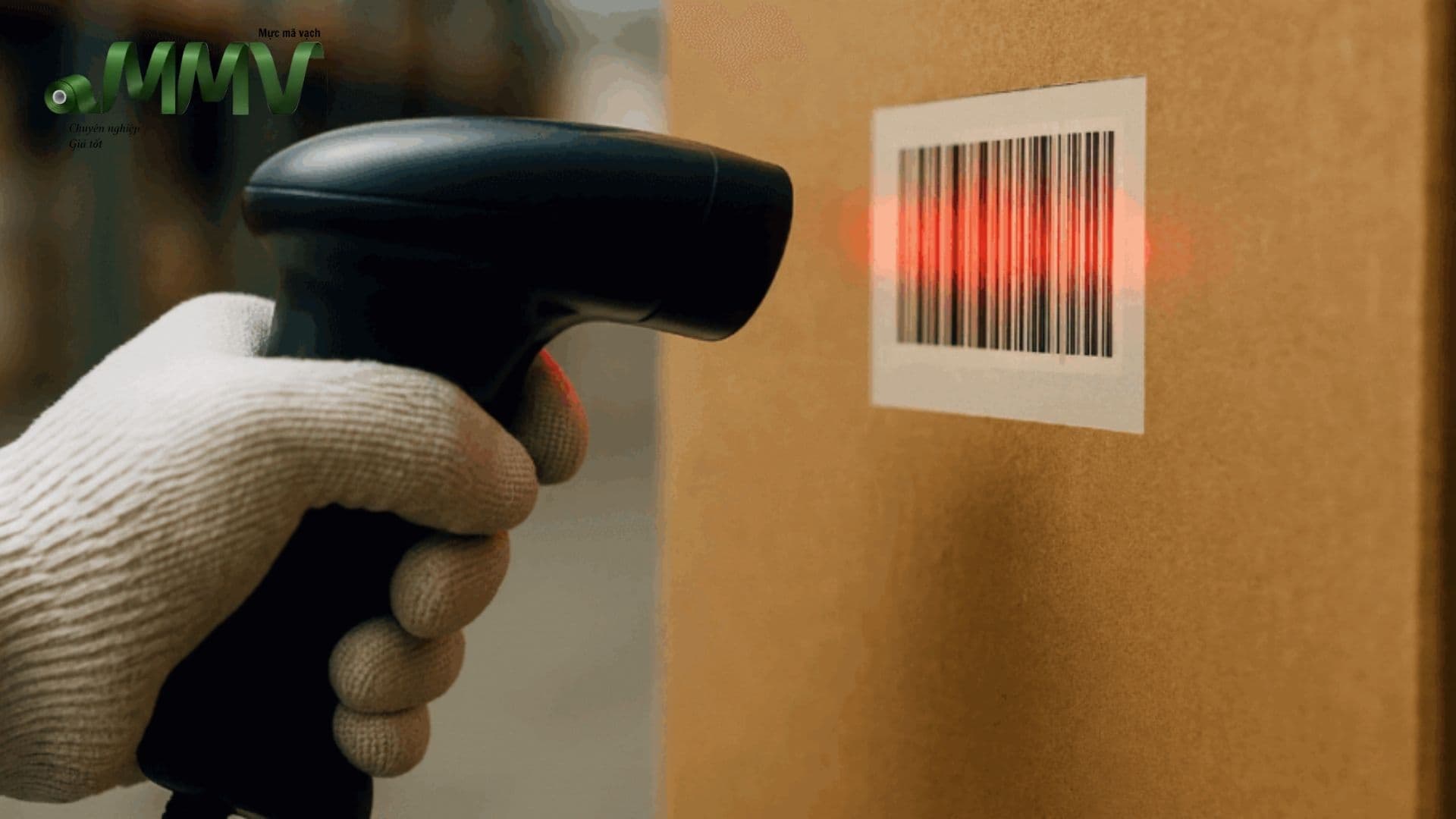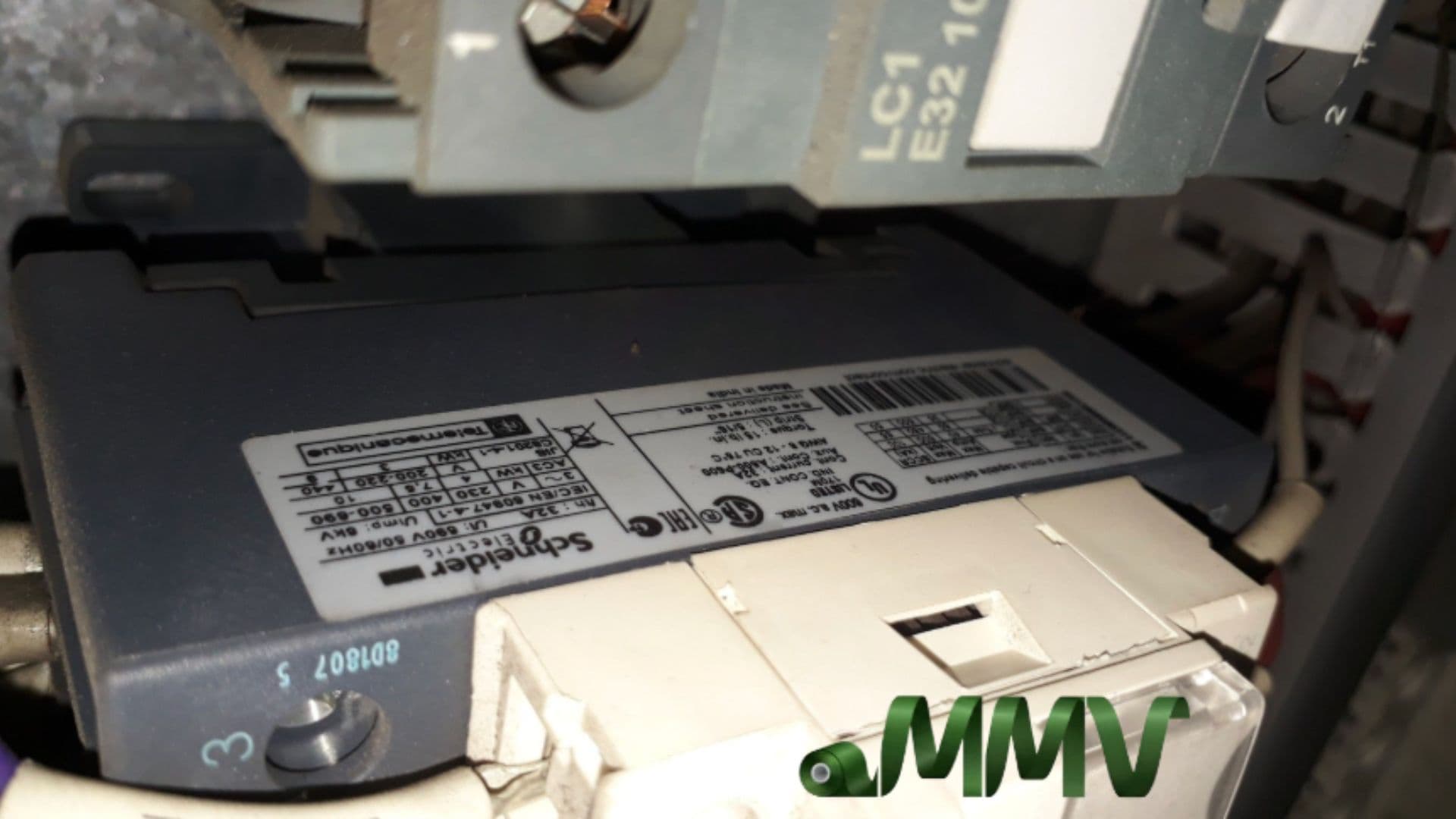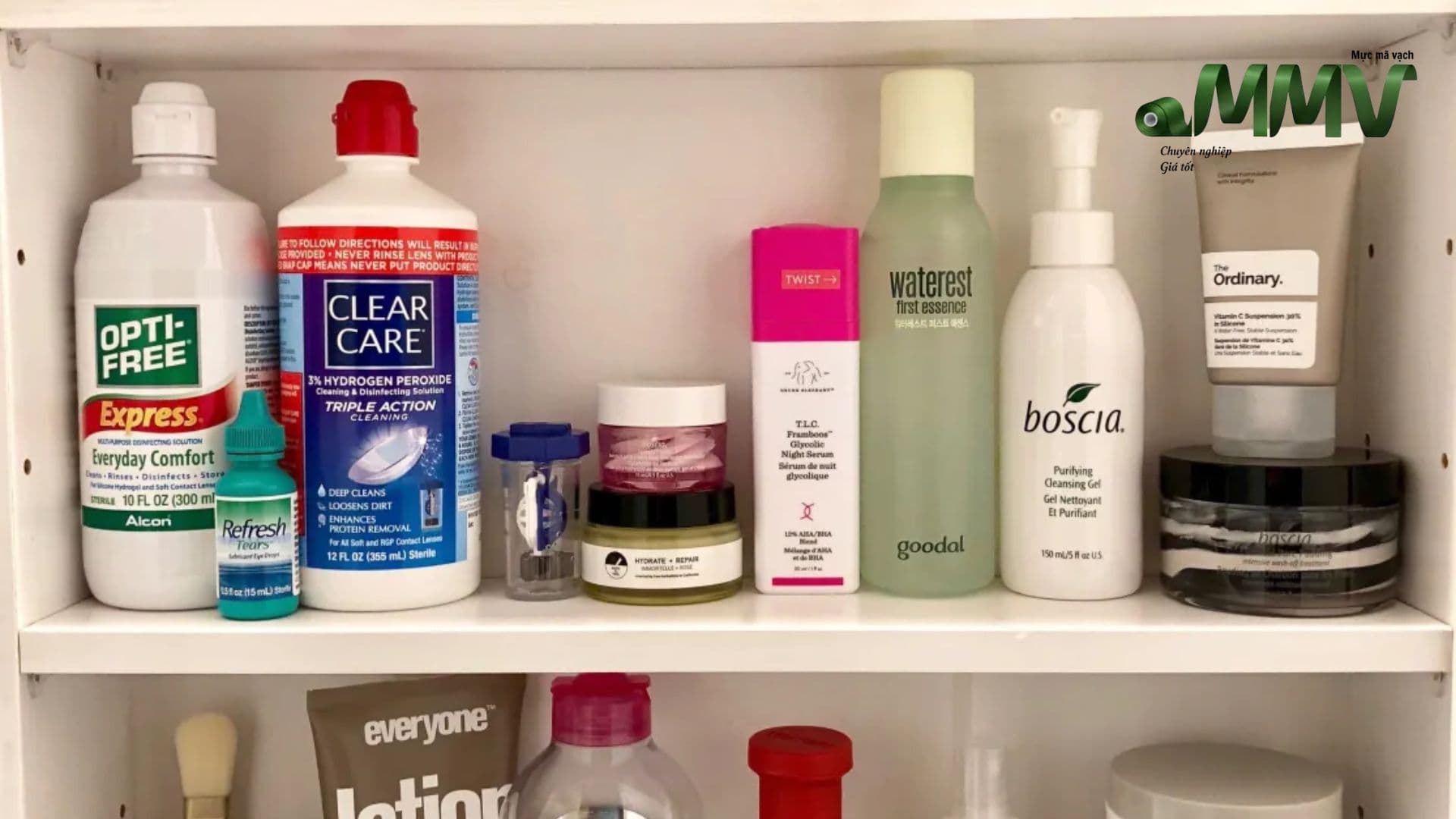
Unlike many other consumer products, personal care items are regularly exposed to challenging conditions. By using a thermal transfer ribbon to permanently transfer ink onto high-quality label materials, manufacturers can produce labels that combine exceptional print quality with excellent resistance to moisture, abrasion, and everyday handling. Learn more with Muc Ma Vach through this guide!
1. Why Personal Care Labels Are So Important
A product label is often the first point of communication between a brand and its customer. While attractive packaging encourages consumers to pick up a product, the label provides the information needed to build trust and support purchasing decisions.
Beyond branding, labels also serve several important operational and regulatory functions.
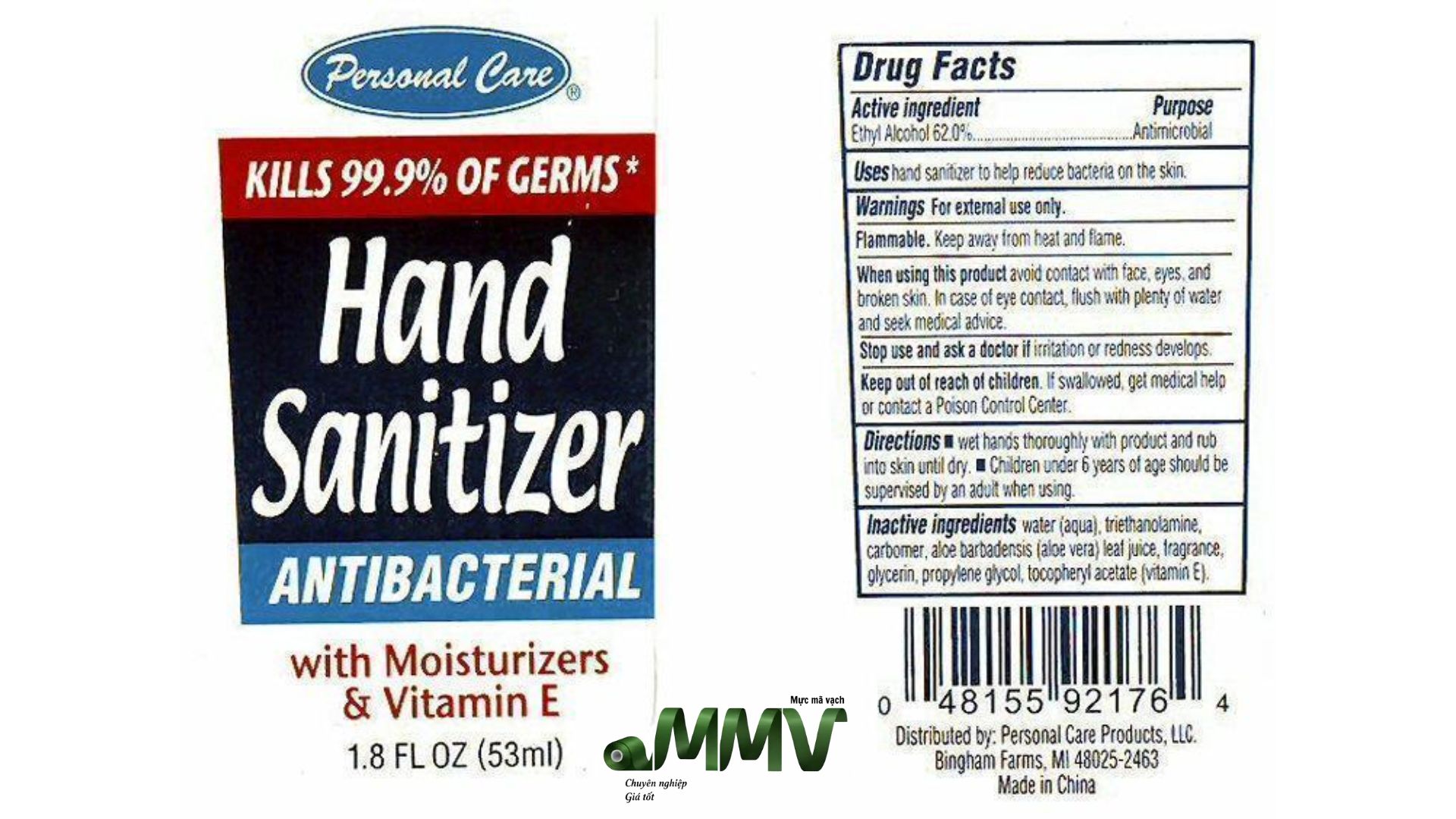
Personal care labels commonly include:
- Product name
- Brand identity
- Ingredient list
- Directions for use
- Safety warnings
- Batch or lot number
- Expiration or best-before date
- Barcode
- Manufacturer information
- Country of origin
- Net contents
Clear and durable labeling helps consumers use products safely while enabling manufacturers and retailers to identify products accurately throughout the supply chain.
If this information fades or becomes unreadable, it can affect customer confidence, complicate product recalls, and create compliance challenges.
2. Types of Labels Used in Personal Care Products
The personal care sector uses a wide variety of labels depending on the product type, packaging material, and intended market.
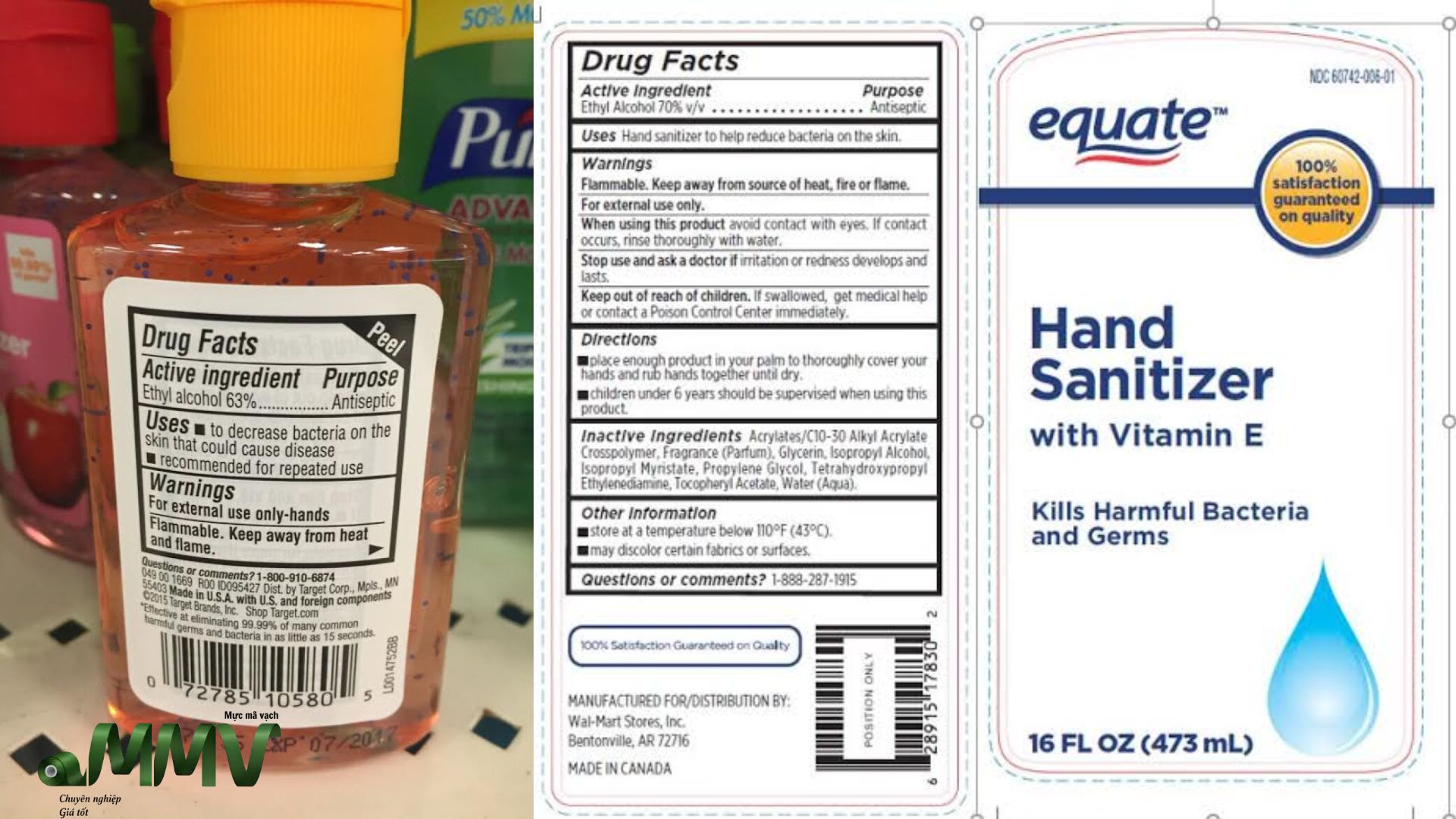
- Product Identification Labels: Every personal care product requires a primary label that identifies the product and communicates key information to consumers. These labels typically include product name, brand logo, product description, net contents, barcode, manufacturer information.
- Ingredient Labels: Ingredient labels often contain extensive information printed in small fonts, making print clarity especially important. High-resolution thermal transfer printing ensures text remains sharp and readable, even when space is limited.
- Batch and Lot Code Labels: Batch numbers and lot codes are essential for quality control and product traceability. Manufacturers use these codes to track production batches, monitor quality, support product recalls, manage inventory, and verify authenticity.
- Barcode Labels: Typical barcode applications include inventory management, warehouse operations, retail checkout, product traceability, distribution tracking. Reliable barcode printing reduces scanning errors while improving operational efficiency across the supply chain.
3. Why Thermal Transfer Printing Is Ideal for Personal Care Labels
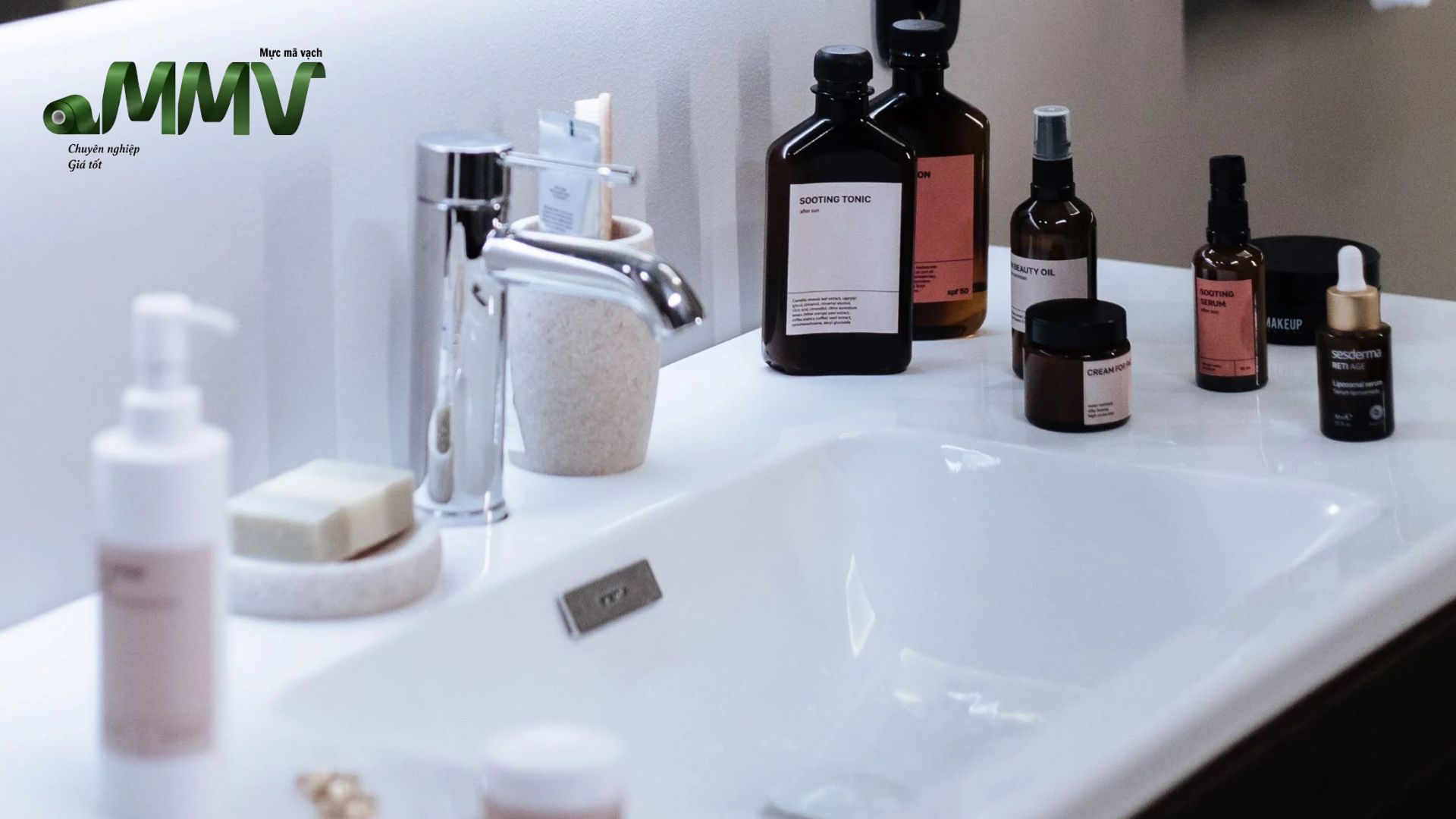
Compared with many alternative printing methods, thermal transfer technology offers several important advantages.
- High-Quality Print Resolution: Product descriptions, ingredient lists, barcodes, and batch information often contain fine detail. Thermal transfer printing produces crisp text and sharp graphics that remain easy to read throughout the label's lifespan.
- Excellent Durability: When matched with the correct ribbon and label material, thermal transfer printing provides excellent resistance to abrasion, moisture, and everyday handling. This makes it particularly suitable for products used regularly in bathrooms and other humid environments.
- Variable Data Printing: Every production batch may require different information, including batch numbers, manufacturing dates, expiration dates, product codes, barcodes. Thermal transfer printers can generate this changing information efficiently while maintaining consistent print quality.
- Wide Compatibility with Label Materials: Personal care packaging includes a variety of materials, from plastic bottles and tubes to glass containers and flexible packaging. Thermal transfer ribbons can print effectively on paper labels as well as many synthetic materials, allowing manufacturers to select the best solution for each product.
4. Choosing the Right Labels and Thermal Transfer Ribbons for Personal Care Products
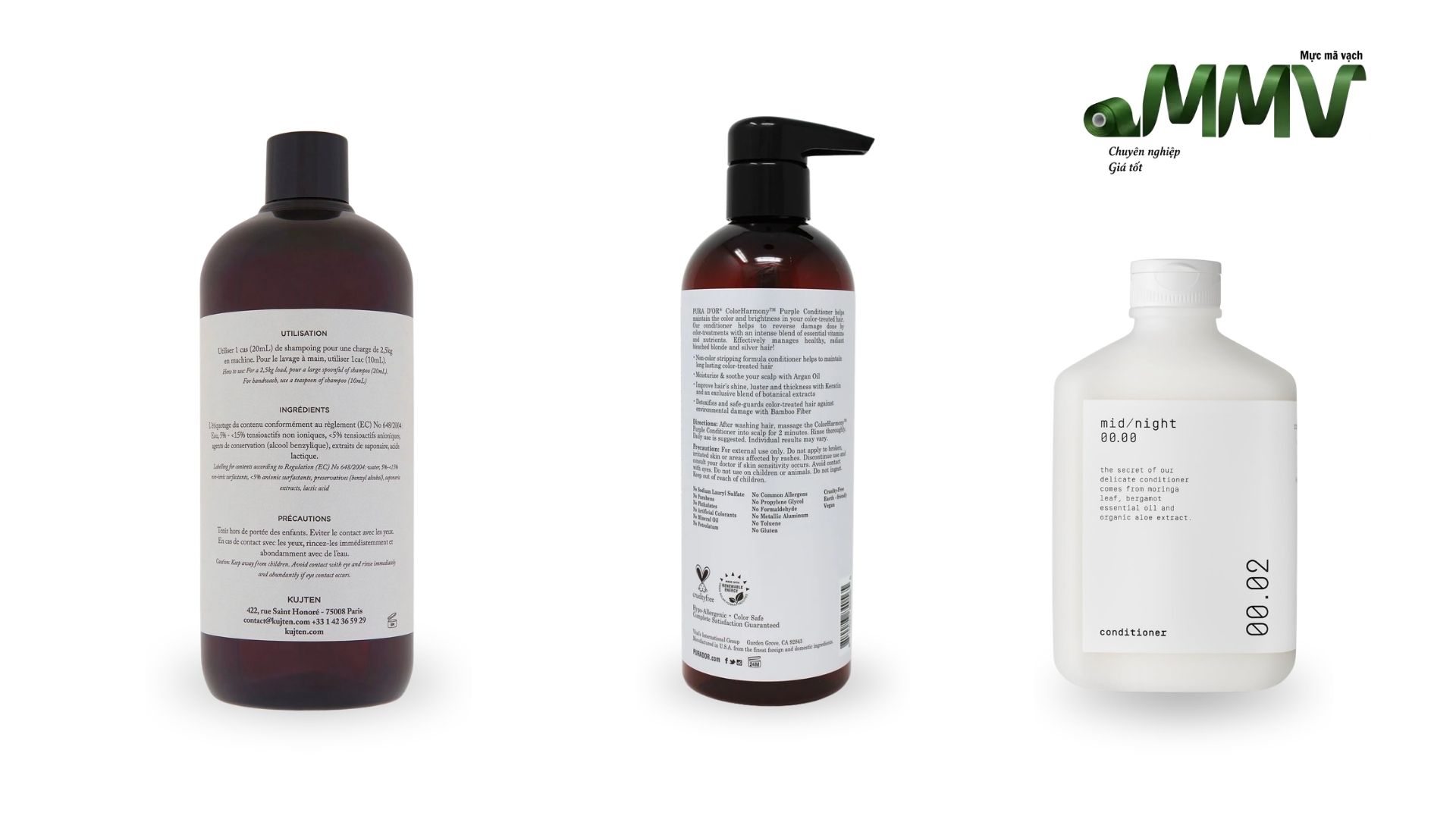
Different personal care products require different levels of label durability, depending on moisture exposure, contact with product ingredients, packaging shape, and expected lifespan.
Product Application | Recommended Label Material | Recommended Ribbon | Key Benefits |
| Toothpaste and Oral Care | Polypropylene (PP) | Wax-Resin | Helps maintain label readability in humid environments and during frequent handling. |
| Gift and Promotional Packaging | Paper | Wax | Offers excellent print quality and a cost-effective solution for packaging with limited exposure to moisture and chemicals. |
| Products Requiring Long-Lasting Labels | Polyester (PET) | Resin | Provides high resistance to abrasion, chemicals, oils, and demanding conditions. |
| Shampoo and Conditioner | Polypropylene (PP) | Wax-Resin | Resists moisture and maintains clear printing on bottles frequently exposed to water and humidity. |
| Skincare Products | Paper or Polypropylene (PP) | Wax or Wax-Resin | Delivers sharp text and graphics for ingredient lists, usage instructions, batch numbers, and premium branding. |
| Cosmetics | Paper or Polypropylene (PP) | Wax or Wax-Resin | Supports high-resolution printing of small text, barcodes, and product information on compact packaging. |
| Deodorants and Personal Hygiene Products | Polypropylene (PP) or Polyester (PET) | Wax-Resin or Resin | Provides improved resistance to rubbing, scratching, and contact with cosmetic ingredients. |
The final choice should depend on the specific packaging material, ribbon compatibility, printing conditions, and product environment. Testing the label and ribbon combination under actual usage conditions helps ensure reliable performance throughout the product's lifecycle.
5. Best Practices for Personal Care Label Printing
Producing durable labels requires more than selecting a high-quality ribbon.
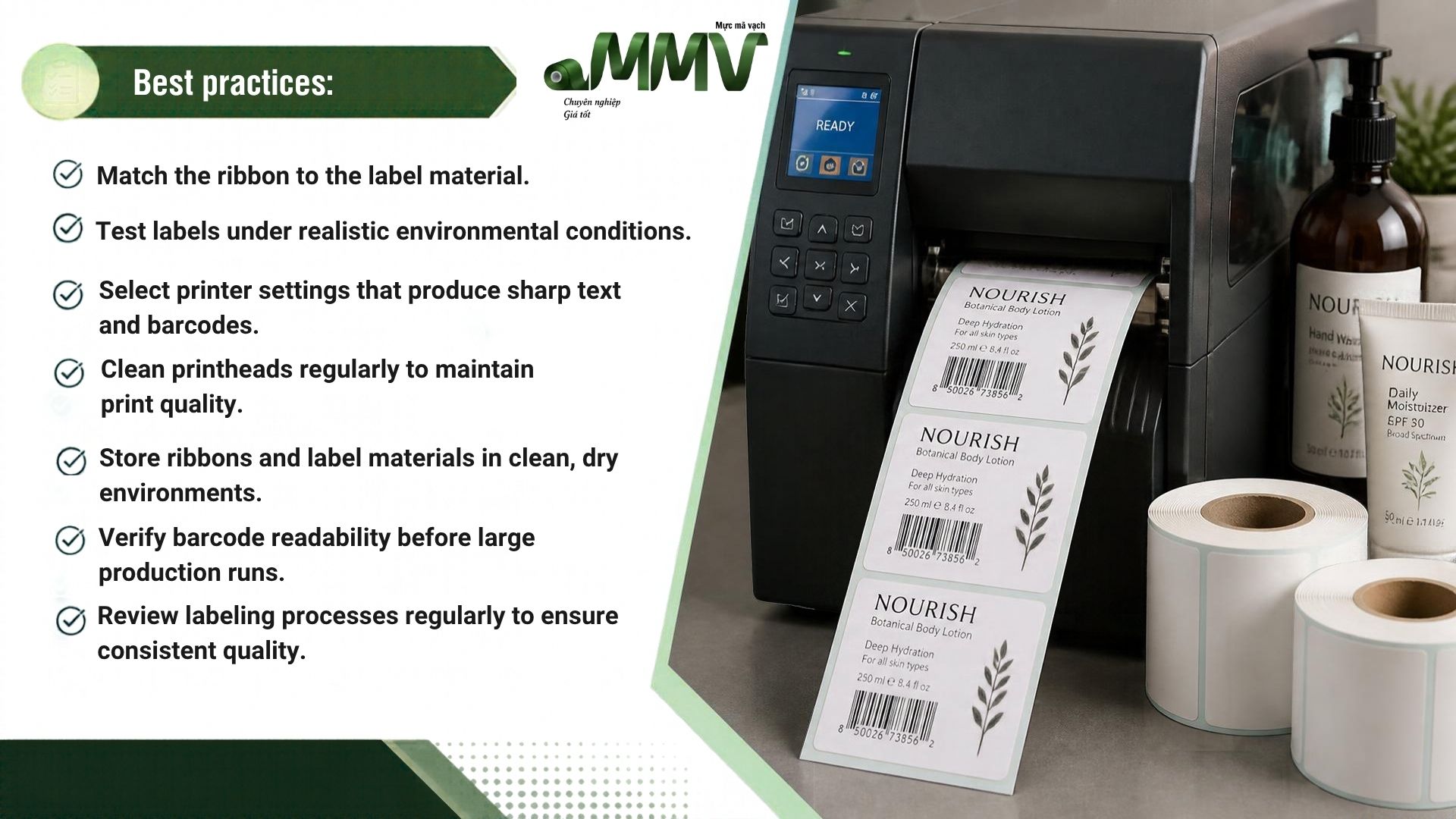
Best practices include:
- Match the ribbon to the label material.
- Test labels under realistic environmental conditions.
- Select printer settings that produce sharp text and barcodes.
- Clean printheads regularly to maintain print quality.
- Store ribbons and label materials in clean, dry environments.
- Verify barcode readability before large production runs.
- Review labeling processes regularly to ensure consistent quality.
By combining suitable materials with reliable thermal transfer printing, manufacturers can produce labels that remain attractive, compliant, and functional throughout the product's lifecycle.
6. Frequently Asked Questions
6.1. Why are thermal transfer ribbons used for personal care labels?
Thermal transfer ribbons produce durable, high-resolution labels that resist moisture, abrasion, and everyday handling. They are widely used for personal care products because they help maintain print quality throughout the product's lifecycle.
6.2. Which thermal transfer ribbon is best for cosmetic labels?
The ideal ribbon depends on the application. Wax ribbons are suitable for many paper labels, wax-resin ribbons provide greater durability for frequently handled products, and resin ribbons are recommended for synthetic labels exposed to demanding environments.
6.3. Which label materials are commonly used for personal care products?
Common materials include paper, polypropylene, and polyester. The most suitable material depends on the packaging type, expected environmental exposure, and durability requirements.
6.4. Are thermal transfer labels suitable for humid environments?
Yes. When paired with suitable synthetic label materials, thermal transfer ribbons produce labels that perform reliably in humid conditions such as bathrooms, spas, and salons.
If you have further questions and are wondering how to optimize your business through your choice of ribbons, send Muc Ma Vach an email or a call and our team is happy to help.
Hotline: +84 362 474 463 or +84 986 039 044
Email: info@mucmavach.vn
Website: https://mucmavach.vn