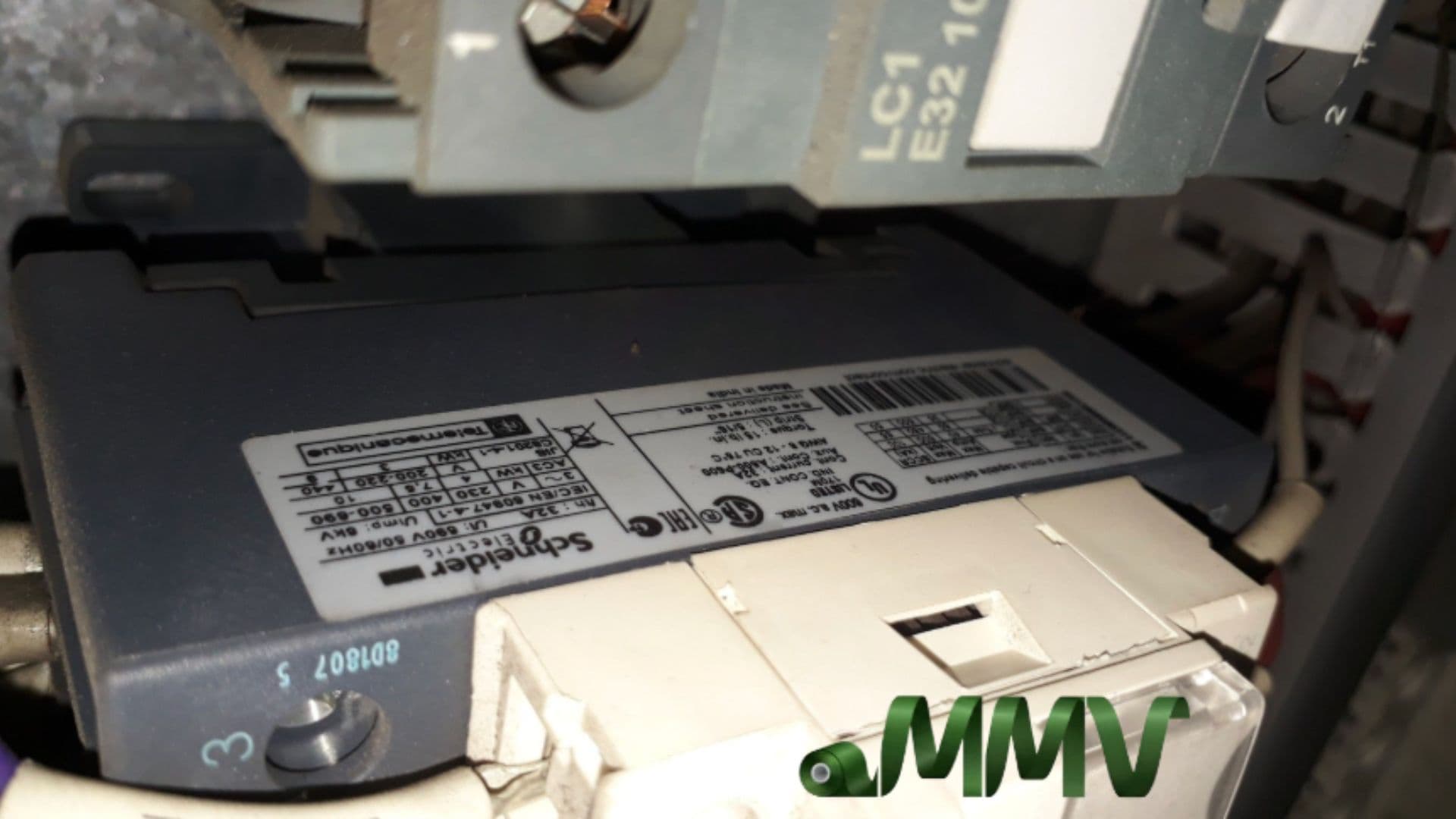
We'll explore the importance of electrical appliance labels, the challenges they face, how thermal transfer printing delivers long-lasting results, and how selecting the right thermal transfer ribbon and label material contributes to reliable product identification and compliance. Learn more with Muc Ma Vach right now.
1. Why Electrical Appliance Labels Matter
Every electrical appliance carries information that is essential for manufacturers, retailers, technicians, regulatory authorities, and consumers.
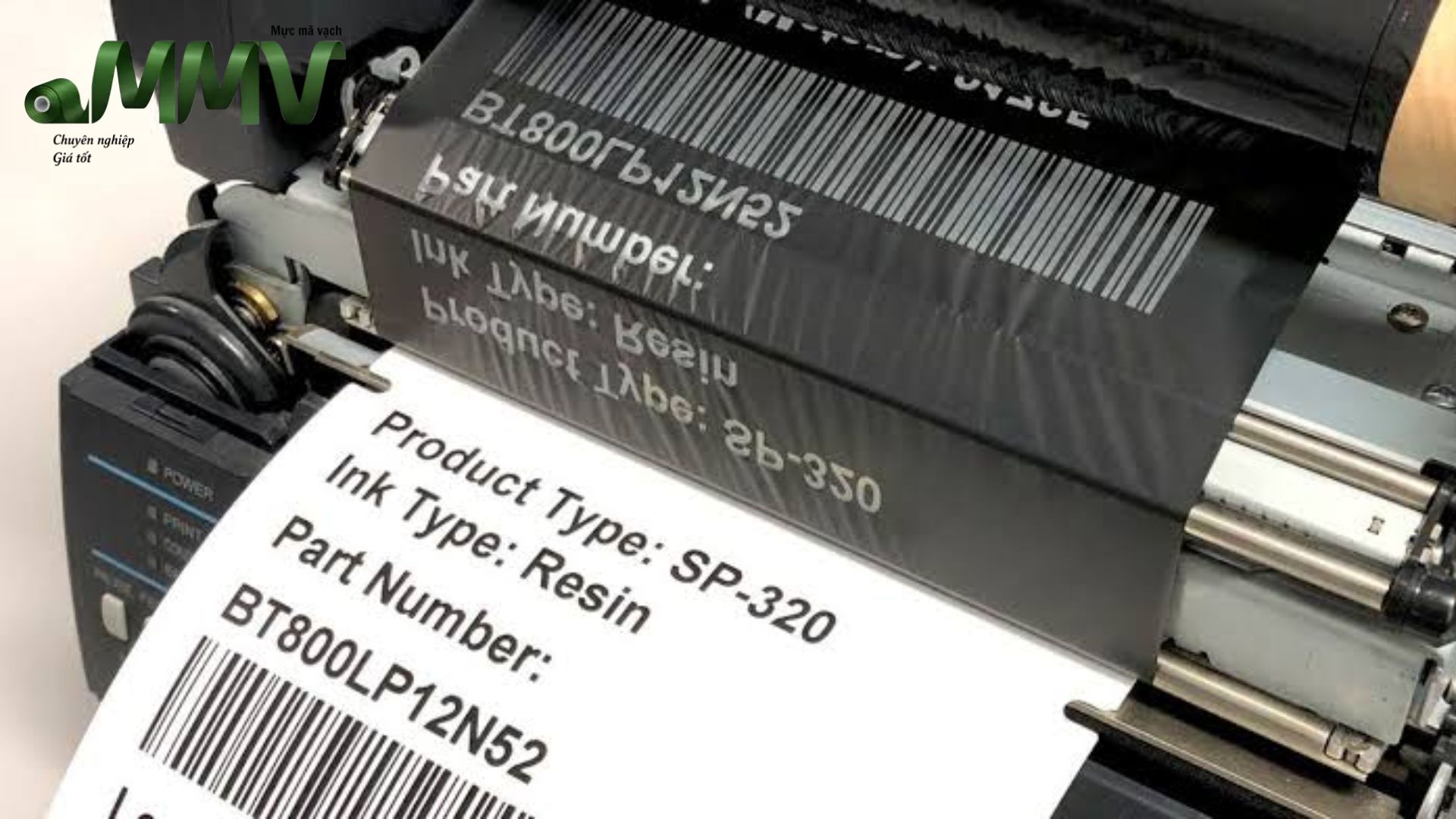
Depending on the product, appliance labels may display:
- Product model numbers
- Serial numbers
- Manufacturing dates
- Electrical ratings
- Voltage and current requirements
- Power consumption
- Safety warnings
- Certification marks
- Barcode information
- QR codes
- Manufacturer details
- Country of origin
Without clear and durable labeling, identifying products accurately becomes significantly more difficult, particularly after years of use.
Reliable labels help ensure that important information remains accessible whenever maintenance, repairs, product recalls, or warranty claims are required.
2. The Different Types of Electrical Appliance Labels
Electrical appliances often require several different labels, each serving a specific purpose throughout the product's lifecycle.
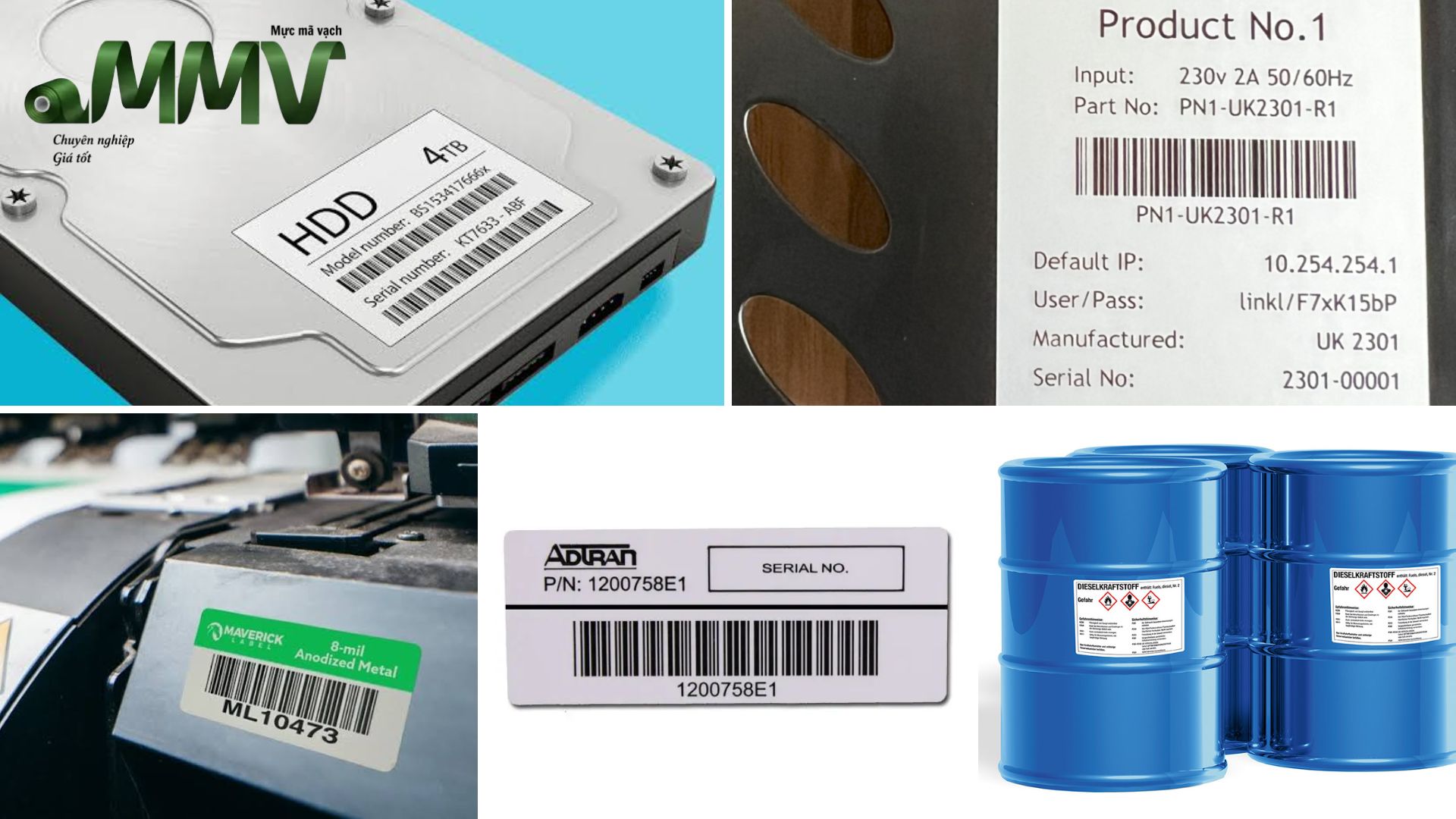
- Rating plate labels: display technical specifications such as voltage, frequency, current, wattage, model number, serial number, manufacturer information. They must resist heat, abrasion, cleaning products, and general wear.
- Product identification labels: include product codes, batch numbers, manufacturing dates, internal tracking information, product descriptions. Using TTR to print helps improve inventory accuracy while supporting efficient warranty and service processes.
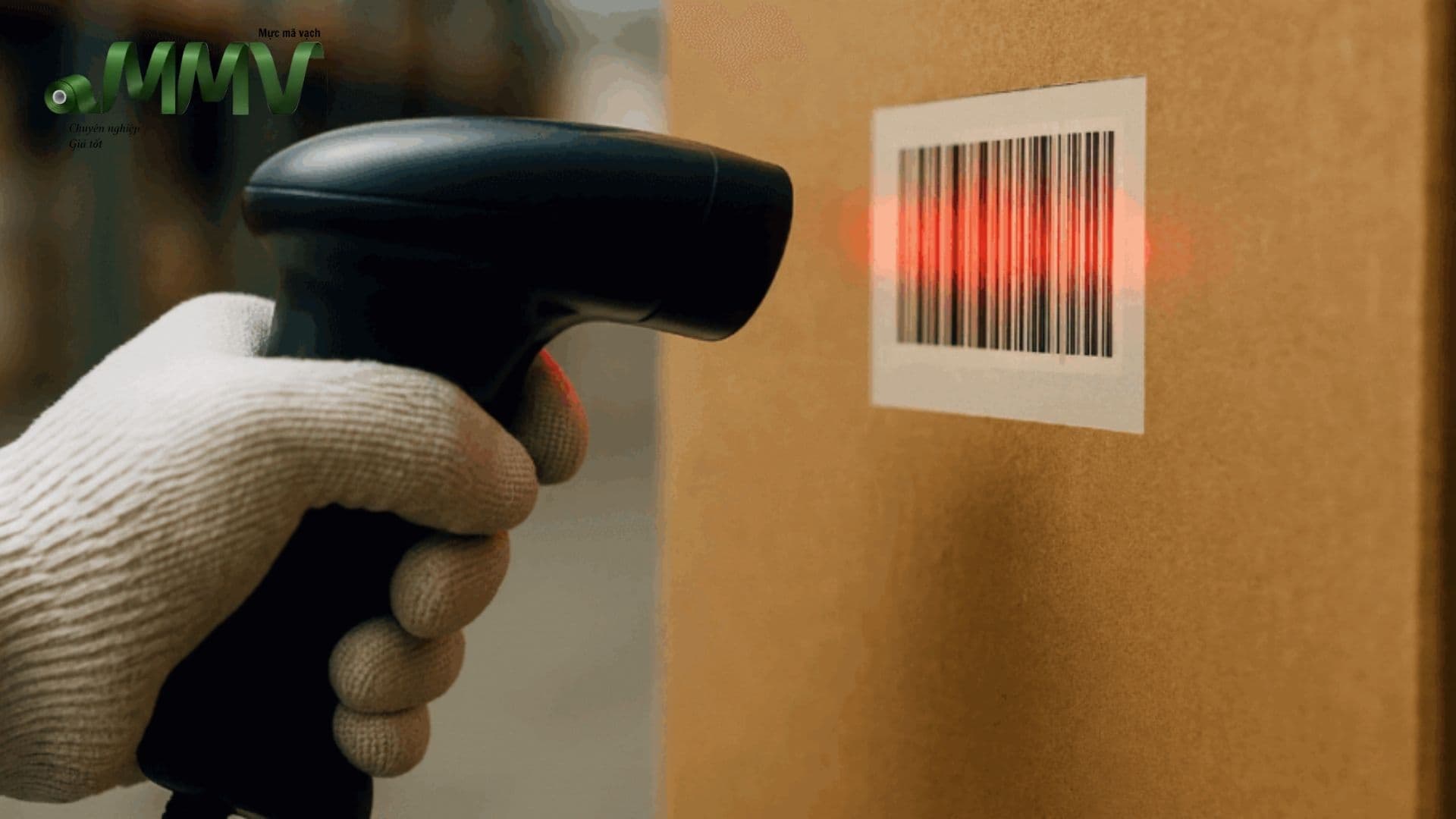
- Barcode labels: Barcode labels allow products to be tracked automatically during manufacturing, warehousing, distribution, and retail. Common barcode formats include: code 128, code 39, qr codes, data matrix,...
- Serial number labels: serial number labels for warranty registration, product servicing, repairs technical support, product recalls, quality assurance, traceability,... Serial numbers often remain important for many years, the printed information must remain permanently legible.
- Warning and safety labels: include electrical hazards, hot surfaces, incorrect installation, improper maintenance, fire risks, operating limitations,...
3. The Challenges Electrical Appliance Labels Must Withstand
.jpg)
These are challenges electrical appliance labels have to deal with environmental conditions:
- Heat Exposure
Many appliances generate heat during normal operation: ovens, coffee machines, tumble dryers, industrial equipment, and heating systems all expose labels to elevated temperatures,...
Labels that are not designed for these conditions may fade, curl, or lose adhesion over time.
Choosing suitable label materials and thermal transfer ribbons helps maintain print quality even in demanding environments.
- Abrasion
Electrical appliances experience regular contact during manufacturing, transportation, installation, cleaning, and everyday use.
Repeated rubbing against packaging materials, work surfaces, or cleaning cloths can gradually wear away printed information.
Thermal transfer printing provides greater abrasion resistance than many alternative printing methods, helping labels remain readable throughout the appliance's lifespan.
- Moisture and Cleaning Products
Many household and commercial appliances are cleaned regularly using water, detergents, or chemical cleaning agents.
Kitchen appliances, washing machines, refrigerators, and medical equipment all encounter routine cleaning throughout their service life.
Labels therefore need sufficient resistance to moisture and cleaning chemicals without losing print quality.
4. Why Thermal Transfer Printing Is Ideal for Electrical Appliance Labels
Thermal transfer printing has become one of the industry's preferred solutions because it combines excellent print quality with exceptional durability. Thermal transfer printers use a ribbon that transfers ink permanently onto the label surface, creating highly durable images that resist everyday wear while maintaining excellent readability.
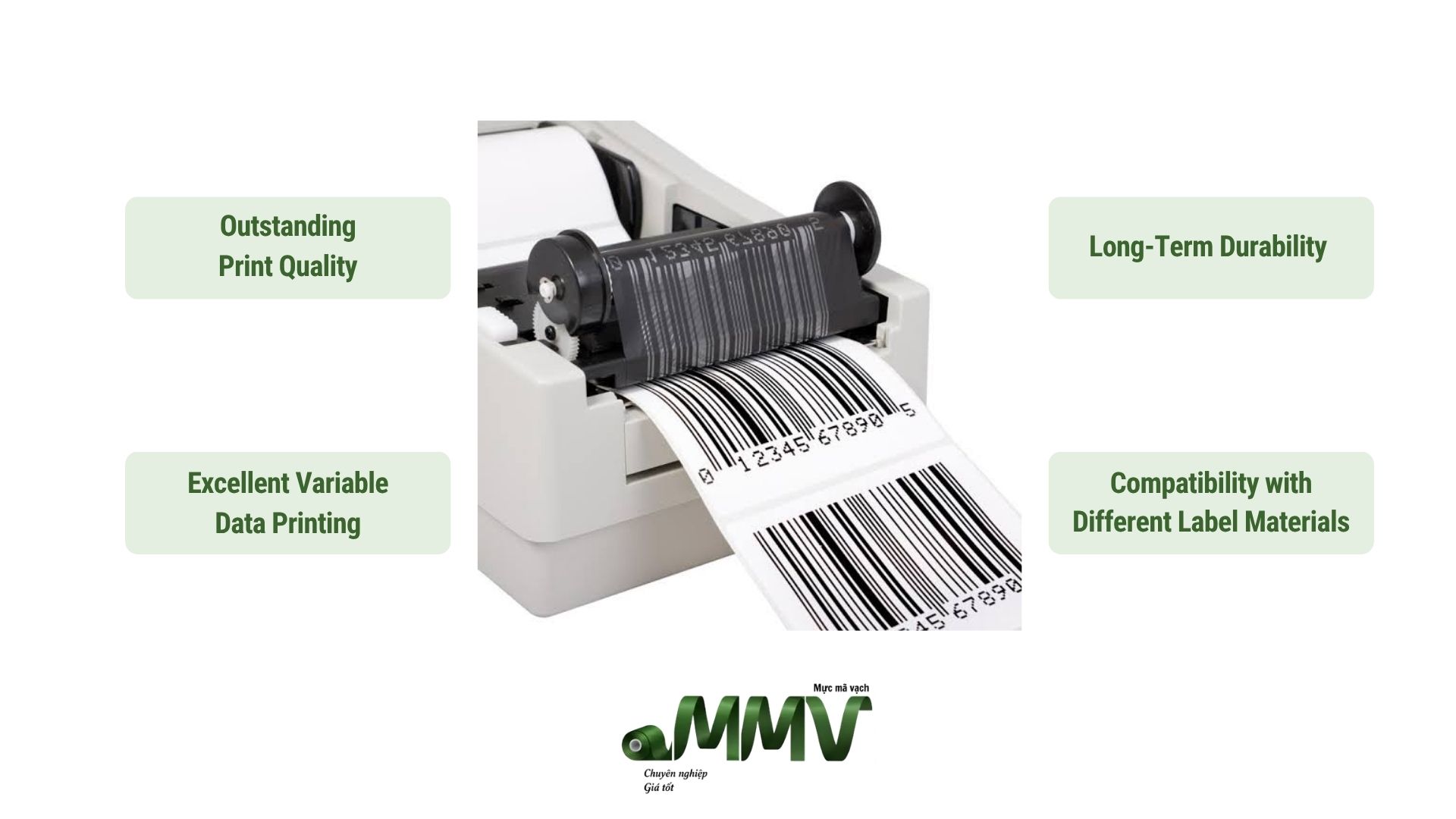
- Outstanding Print Quality
Thermal transfer printing produces crisp text, detailed graphics, and high-resolution barcodes that remain easy to scan throughout the product's lifecycle.
This level of consistency is particularly valuable for serial numbers, compliance information, and product identification.
- Long-Term Durability
When paired with the correct ribbon and label material, thermal transfer printing offers excellent resistance to abrasion, moisture, heat, and general handling.
This helps manufacturers meet the durability expectations associated with long-life electrical products.
- Excellent Variable Data Printing
Every appliance leaving a production line may require different information, including serial numbers, manufacturing dates, product codes, or barcode data.
Thermal transfer printers make it easy to print variable information accurately at high production speeds without compromising print quality.
- Compatibility with Different Label Materials
Electrical appliance labels are manufactured using a variety of materials depending on the application.
Thermal transfer ribbons can print effectively on both paper and synthetic materials, allowing manufacturers to select the most appropriate solution based on durability requirements.
5. Best Practices for Electrical Appliance Label Printing
Achieving consistent, long-lasting label performance requires more than selecting quality materials. Manufacturers should also follow proven printing and quality control practices.
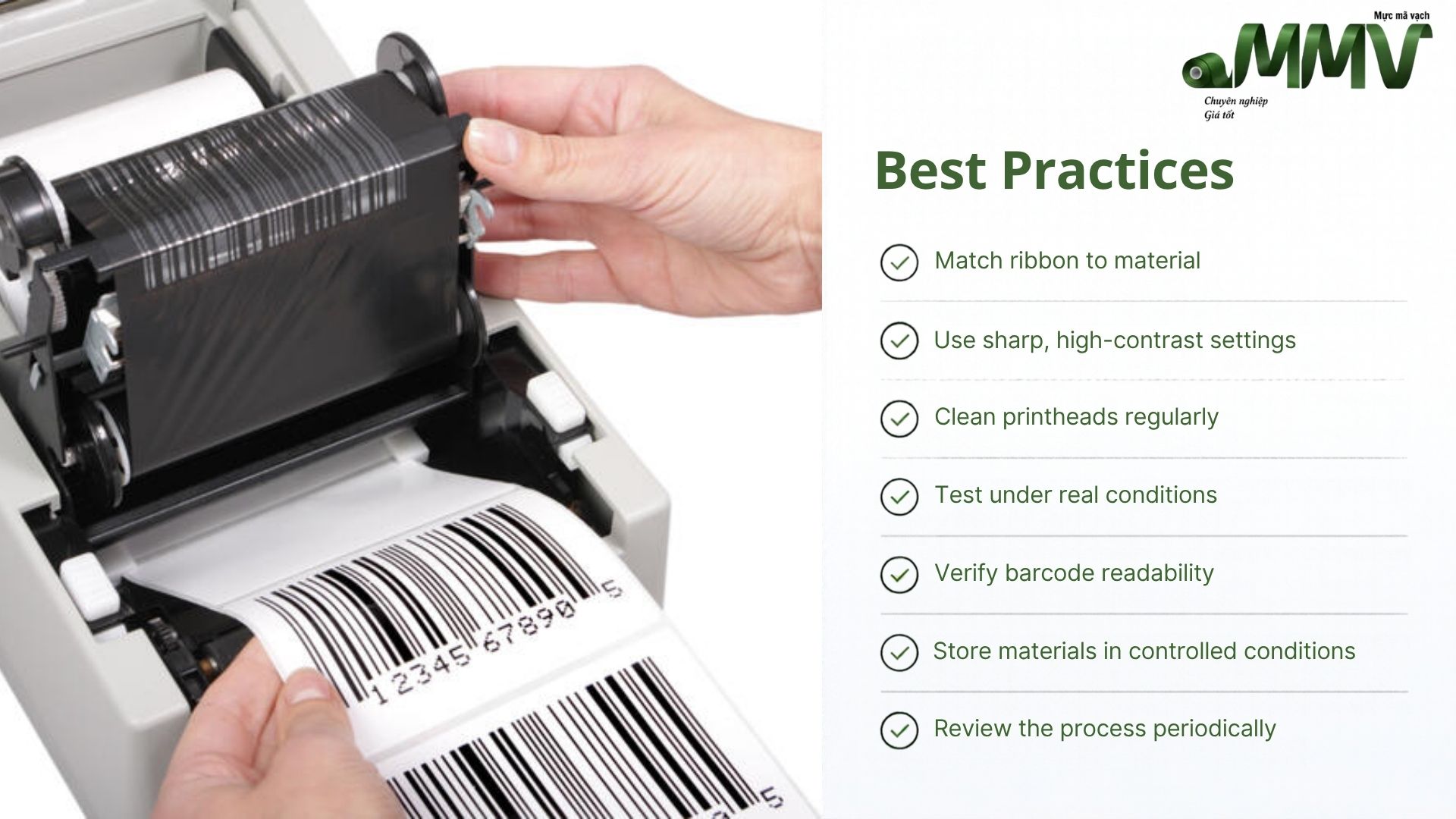
- Match the ribbon to the label material.
- Select print settings that produce sharp, high-contrast images.
- Regularly clean printer printheads to maintain print quality.
- Test labels under real operating conditions before full-scale production.
- Verify barcode readability using barcode verification equipment where appropriate.
- Store ribbons and labels in clean, temperature-controlled environments.
- Periodically review labeling processes to ensure ongoing consistency.
Taking a proactive approach to label quality helps reduce waste, minimise production interruptions, and improve long-term product reliability.
6. Frequently Asked Questions
1. Why are thermal transfer ribbons used for electrical appliance labels?
Thermal transfer ribbons produce durable, high-quality prints that resist heat, abrasion, moisture, and chemicals. This makes them ideal for appliance labels that need to remain readable throughout the product's lifecycle.
2. What is the best ribbon for permanent appliance labels?
For many permanent appliance identification labels, resin ribbons provide the highest level of durability. However, the ideal solution depends on the label material, operating environment, and expected lifespan of the product.
3. Can thermal transfer printing produce variable data?
Yes. Thermal transfer printers are well suited to variable data printing, allowing manufacturers to print unique serial numbers, barcodes, production dates, and other changing information at high speed.
4. How long do thermal transfer appliance labels last?
When the correct ribbon is paired with a suitable synthetic label material, thermal transfer labels can remain clear and legible for many years, even in demanding environments.
5. How can manufacturers improve the durability of appliance labels?
Selecting the correct combination of ribbon, label material, adhesive, and printer settings is essential. Regular printer maintenance and testing also help ensure consistent print quality and long-term performance.
If you have further questions and are wondering how to optimize your business through your choice of ribbons, send Muc Ma Vach an email or a call and our team is happy to help.
Hotline: +84 362 474 463 or +84 986 039 044
Email: info@mucmavach.vn
Website: https://mucmavach.vn