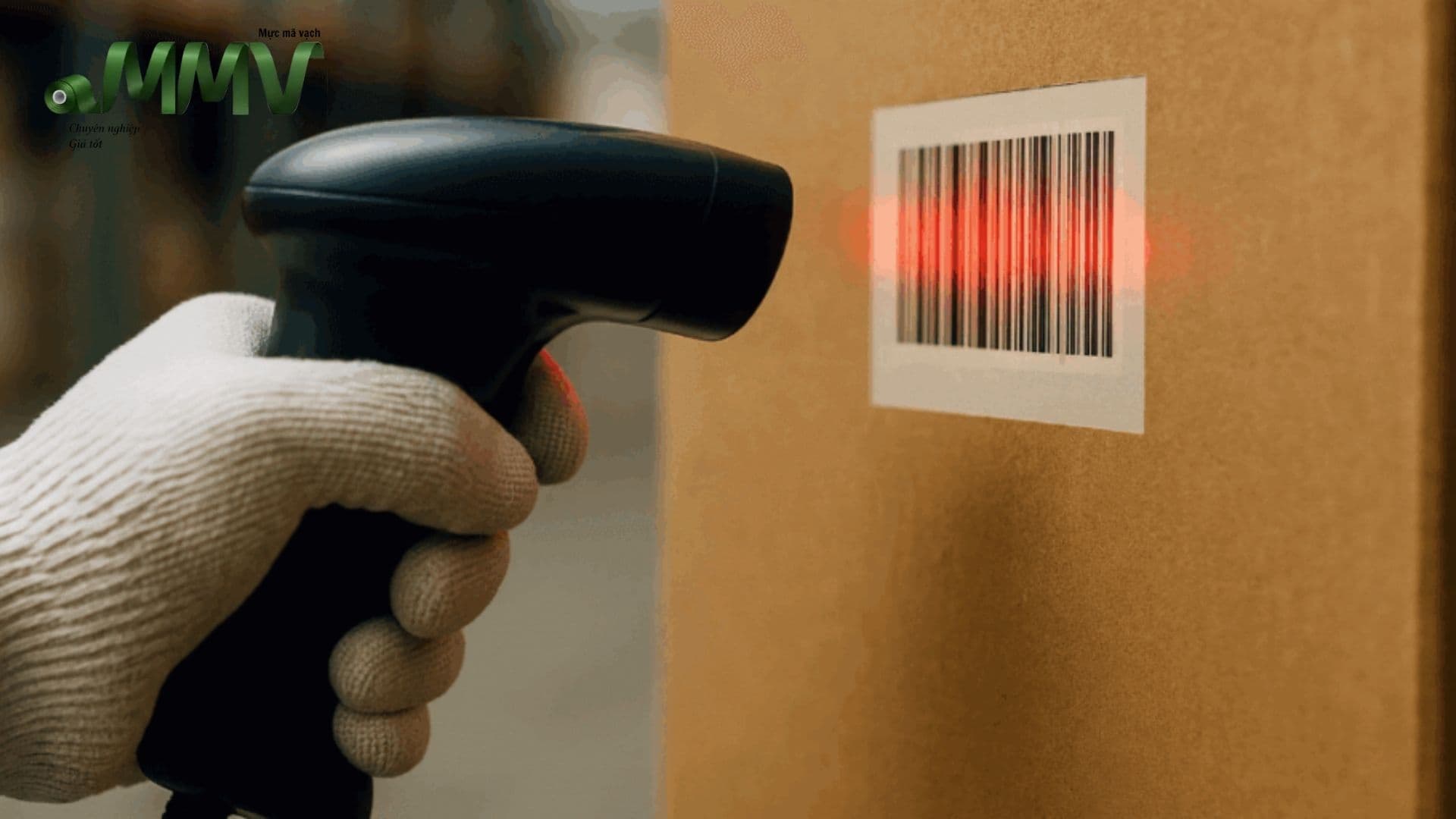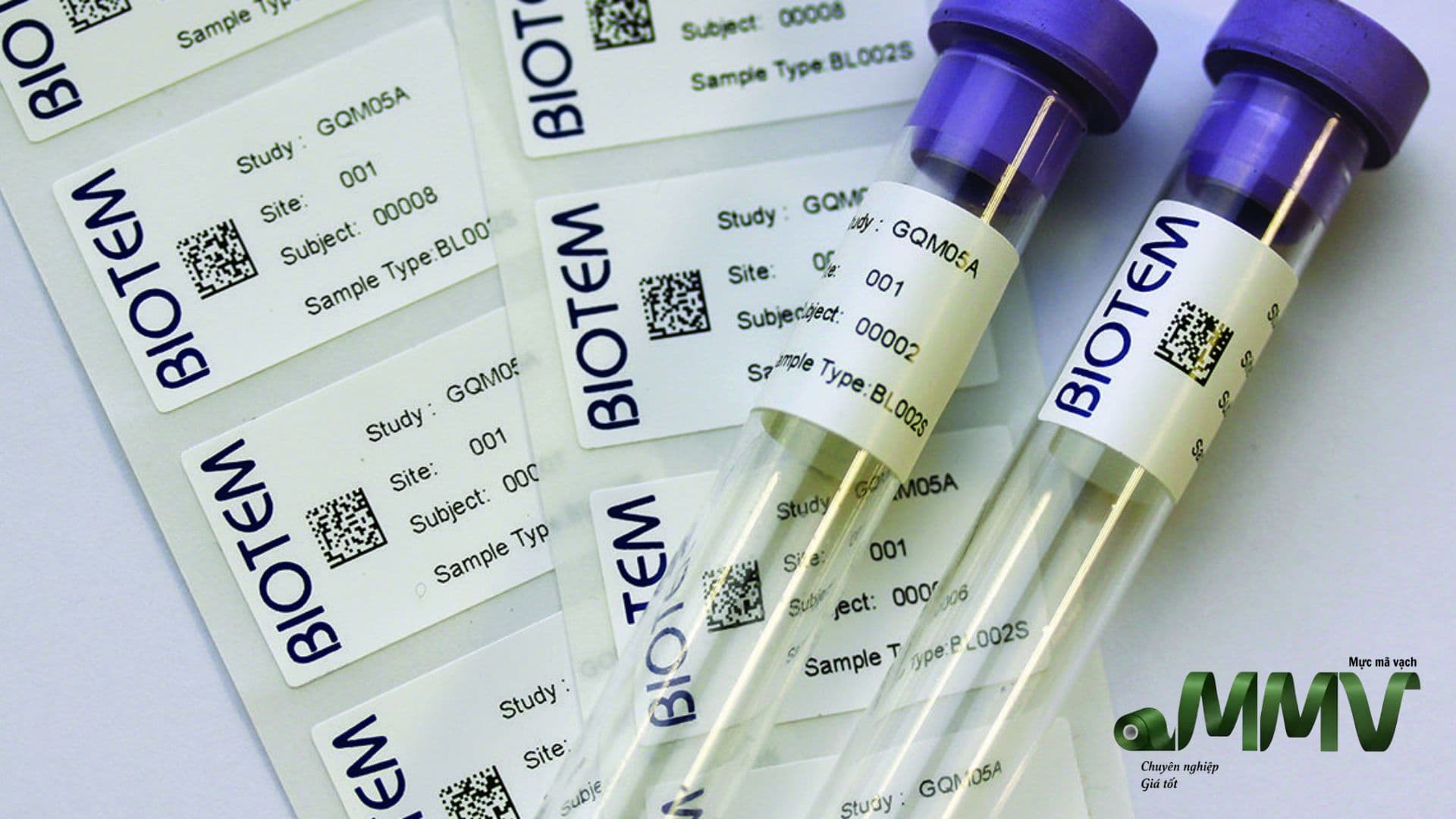
Medical labeling plays an important role in product identification, patient safety, and traceability throughout healthcare operations. Join Muc Ma Vach to explore how high-quality thermal transfer ribbons ensure reliable barcode printing across a wide range of medical labeling applications.
1. Types of barcode labels used in medical sector
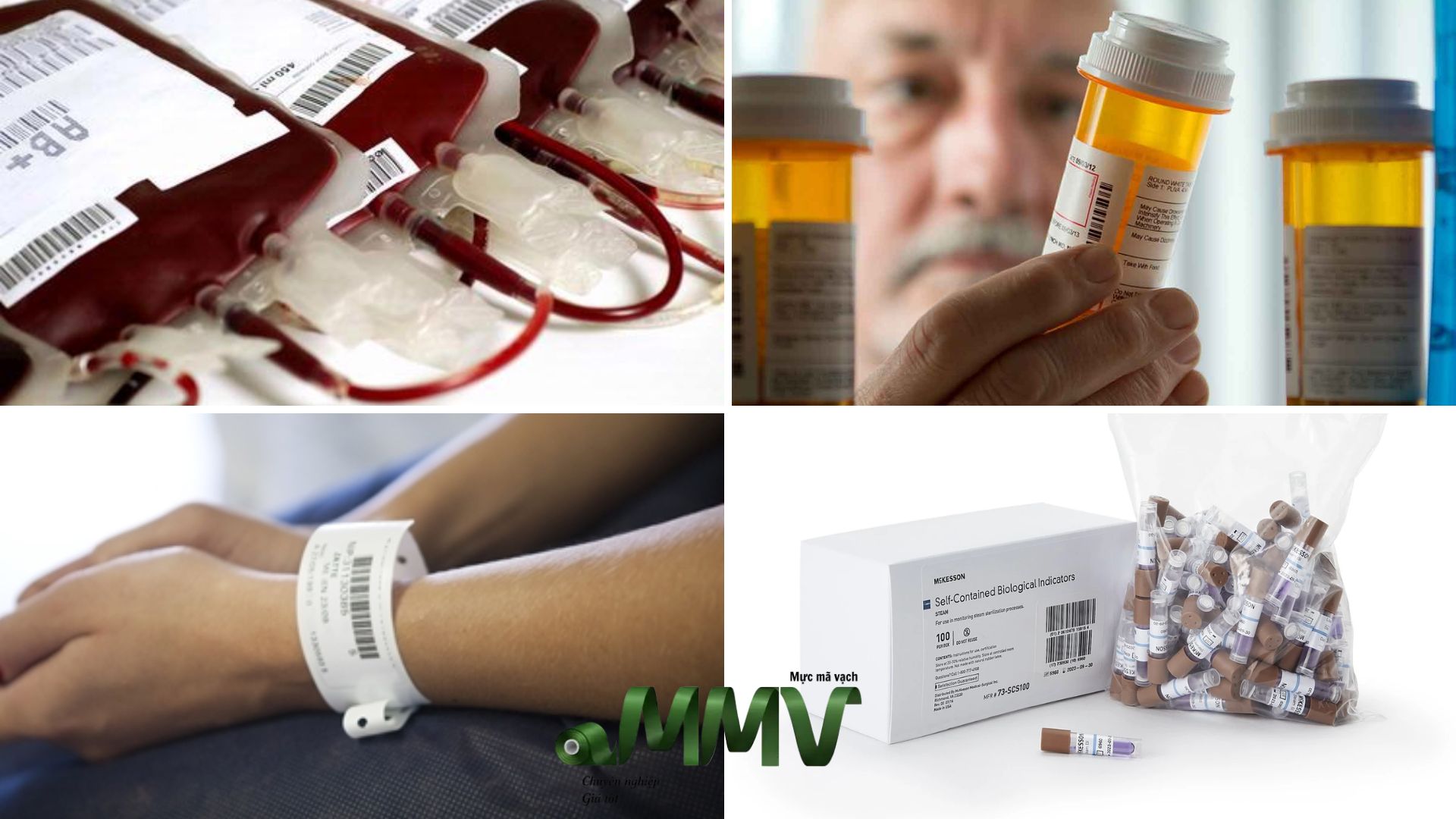
Medical facilities, laboratories, and manufacturers use barcode labels to identify products, track samples, and manage medical equipment. Each application requires suitable label materials and printing durability.
Label Type | Common Applications | Key Requirements |
| Medical device labels | Surgical instruments, diagnostic equipment, and medical supplies. | Clear product identification, barcode readability, and traceability. |
| Pharmaceutical labels | Medicine bottles, vials, ampoules, and syringe packaging. | Legible product information, batch numbers, and expiration dates. |
| Laboratory sample labels | Blood tubes, specimen containers, and laboratory samples. | Reliable identification and resistance to relevant storage and handling conditions. |
| Blood bag labels | Blood collection, processing, storage, and transfusion workflows. | Durable printing and accurate identification throughout handling and storage. |
| Patient identification labels | Patient wristbands and specimen collection labels. | Clear, scannable patient identifiers and compatibility with the intended workflow. |
| Sterilization and instrument tracking labels | Surgical instrument sets, medical trays, and reusable equipment. | Compatibility with the applicable sterilization process and repeated handling. |
| Medical asset labels | Hospital equipment, laboratory instruments, and medical devices. | Long-lasting identification and resistance to cleaning agents where required. |
2. Understanding medical labeling compliance standards
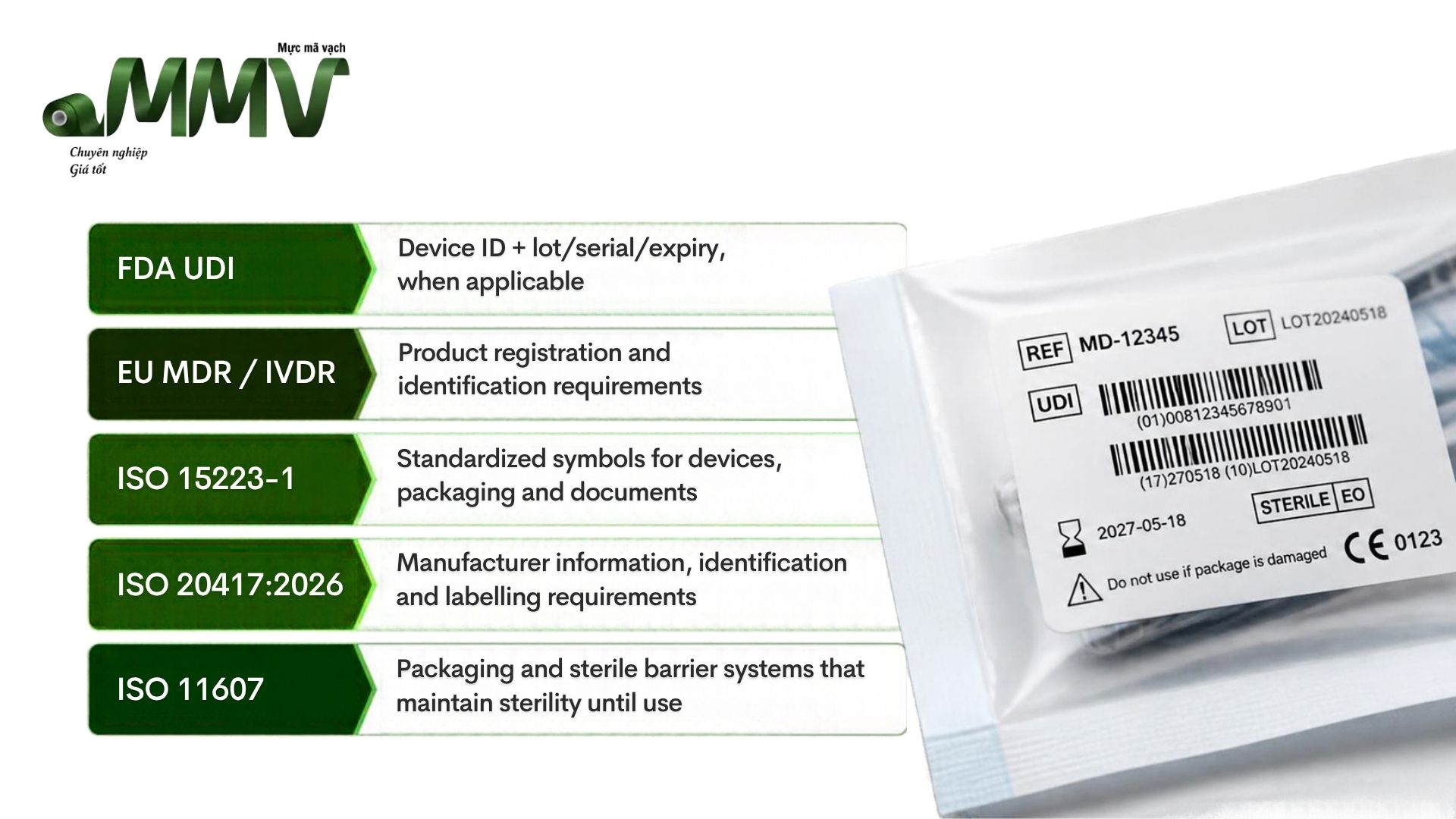
Manufacturers must ensure that labels contain the required information and remain legible under the conditions specified for the product.
Key standards and regulatory frameworks include:
- FDA Unique Device Identification (UDI): The UDI generally includes a device identifier and, where applicable, production information such as lot number, serial number, or expiration date.
- EU Medical Device Regulation (MDR) and In Vitro Diagnostic Regulation (IVDR): Manufacturers must follow the requirements relevant to their products, including applicable registration and identification obligations.
- ISO 15223-1: This standard specifies symbols used to communicate information supplied with medical devices, including symbols used on products, packaging, and accompanying documentation.
- ISO 20417:2026: This standard specifies general requirements for information supplied by medical device manufacturers, including identification, labeling, packaging information, and accompanying documentation.
- ISO 11607: This standard addresses packaging materials and sterile barrier systems for terminally sterilized medical devices. It is relevant when evaluating packaging systems intended to maintain sterility until the point of use.
3. Barcode ribbons suitable for the medical sector
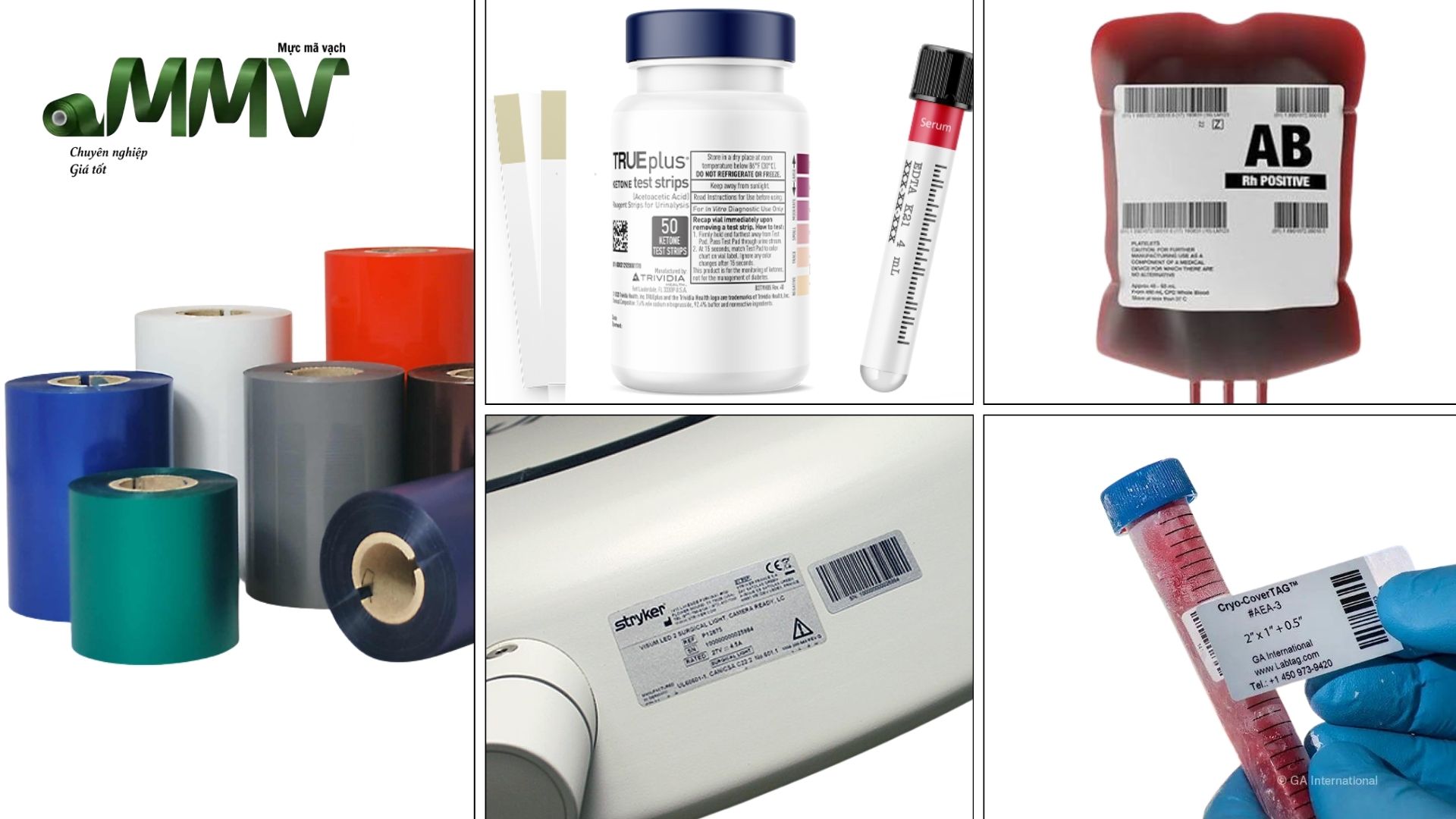
The right thermal transfer ribbon depends on the label material, expected service life, and exposure to chemicals, moisture, heat, or sterilization processes.
Ribbon Type | Key Benefits | Suitable Applications |
| Wax | Economical printing with good print quality on compatible paper labels. | General-purpose identification and packaging labels with limited exposure to abrasion or chemicals. |
| Wax-Resin | Improved resistance to smudging, scratching, and handling compared with standard wax ribbons. | Pharmaceutical packaging, healthcare supply labels, and selected laboratory applications. |
| Resin | High resistance to abrasion, chemicals, solvents, and heat when matched with a suitable label material. | Durable medical device identification, equipment labels, and applications with demanding environmental conditions. |
| Specialized Resin Formulations | Designed for specific performance requirements, depending on the product specification. | Selected sterilization, cryogenic, or chemical-exposure applications when compatibility has been validated. |
4. Reasons barcode labels are essential in medical sector
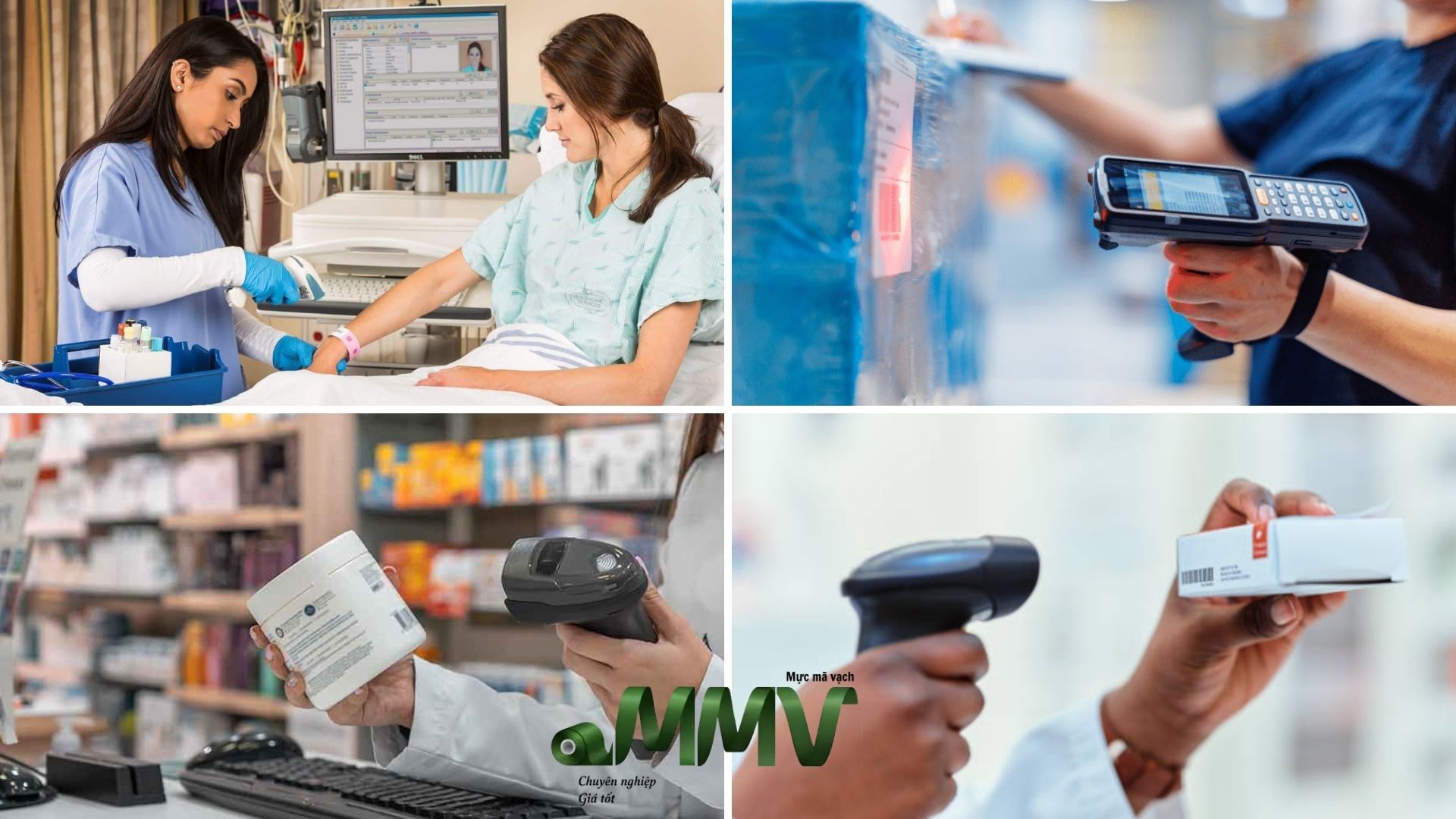
Barcode labeling supports accurate identification and information management across healthcare facilities, laboratories, and medical supply chains.
- Improved patient safety: Scannable patient and product identifiers help healthcare professionals verify information within established clinical workflows.
- Accurate product traceability: Barcodes can connect products with lot numbers, serial numbers, and expiration dates, supporting investigations and recalls.
- Efficient inventory management: Hospitals and laboratories can track medical supplies, equipment, and consumables more efficiently.
- Reduced manual errors: Scanning reduces reliance on repeated manual data entry and helps improve data consistency.
- Faster workflows: Barcode identification supports receiving, dispensing, sample processing, equipment tracking, and stock replenishment.
5. Why thermal transfer printing is ideal for medical sector
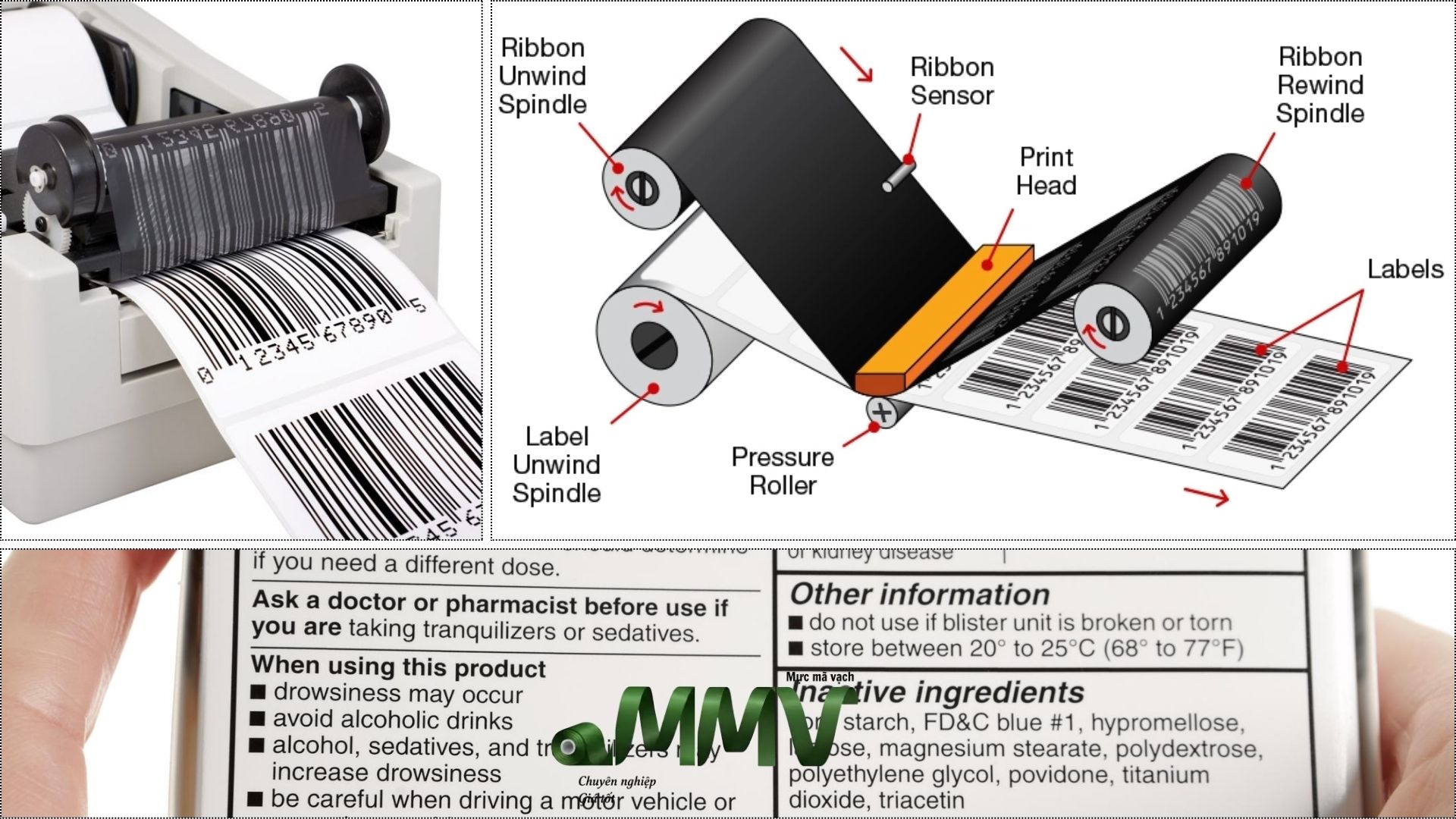
Thermal transfer printing uses heat to transfer ink from a ribbon onto a compatible label material. It is widely suited to applications requiring clear text, detailed product information, and machine-readable barcodes.
- Durable print quality: Suitable ribbon and label combinations can resist smudging, abrasion, and specified chemical or environmental exposure.
- High-resolution printing: Clear text and sharp barcode edges support reliable scanning, including on compact labels.
- Flexible material compatibility: Thermal transfer printers can print on various compatible paper and synthetic label stocks.
- Variable data printing: Manufacturers can print changing lot numbers, serial numbers, expiration dates, and product identifiers on demand.
- Consistent identification: Controlled printing helps maintain legible labels across production batches and inventory workflows.
6. Considerations for choosing the right barcode ribbon for medical sector
The label must perform reliably throughout its intended lifecycle.
Label material compatibility
Confirm whether the label uses paper, polypropylene, polyester, or another substrate. The ribbon must be compatible with the surface to achieve the required print quality and durability.
Chemical and environmental resistance
Consider exposure to alcohol-based disinfectants, cleaning agents, solvents, moisture, heat, and abrasion. For refrigerated or cryogenic applications, evaluate performance at the actual storage temperature.
Sterilization requirements
For labels used on products or packaging exposed to steam sterilization, radiation, or other sterilization methods, verify that the complete label construction can withstand the specified process. Not every resin ribbon or synthetic label is suitable for every method.
Barcode readability
Small medical labels may contain dense text and compact barcodes. Choose an appropriate printer resolution, ribbon, and label material, then verify barcode quality using the relevant specifications and scanning equipment.
Printer compatibility
Check the printer model, printhead technology, ribbon dimensions, ink-side orientation, and recommended printing settings before purchasing.
Regulatory and documentation requirements
Review relevant technical data sheets, test reports, and compliance documentation. Where required, validate performance under actual operating conditions and maintain appropriate quality records.
7. Selecting a reliable medical TTR supplier
A reliable thermal transfer ribbon supplier should provide consistent product quality, technical information, and support for application-specific requirements.
Before selecting a supplier, consider the following:
- Product range: Access to wax, wax-resin, and resin ribbons for different label materials and durability needs.
- Technical support: Assistance with printer compatibility, ribbon selection, and application testing.
- Product documentation: Availability of technical data sheets, relevant test results, and applicable compliance documents.
- Consistent supply: Stable product specifications and dependable availability to support ongoing operations.
- Application suitability: Willingness to help evaluate the ribbon and label combination against actual performance requirements.
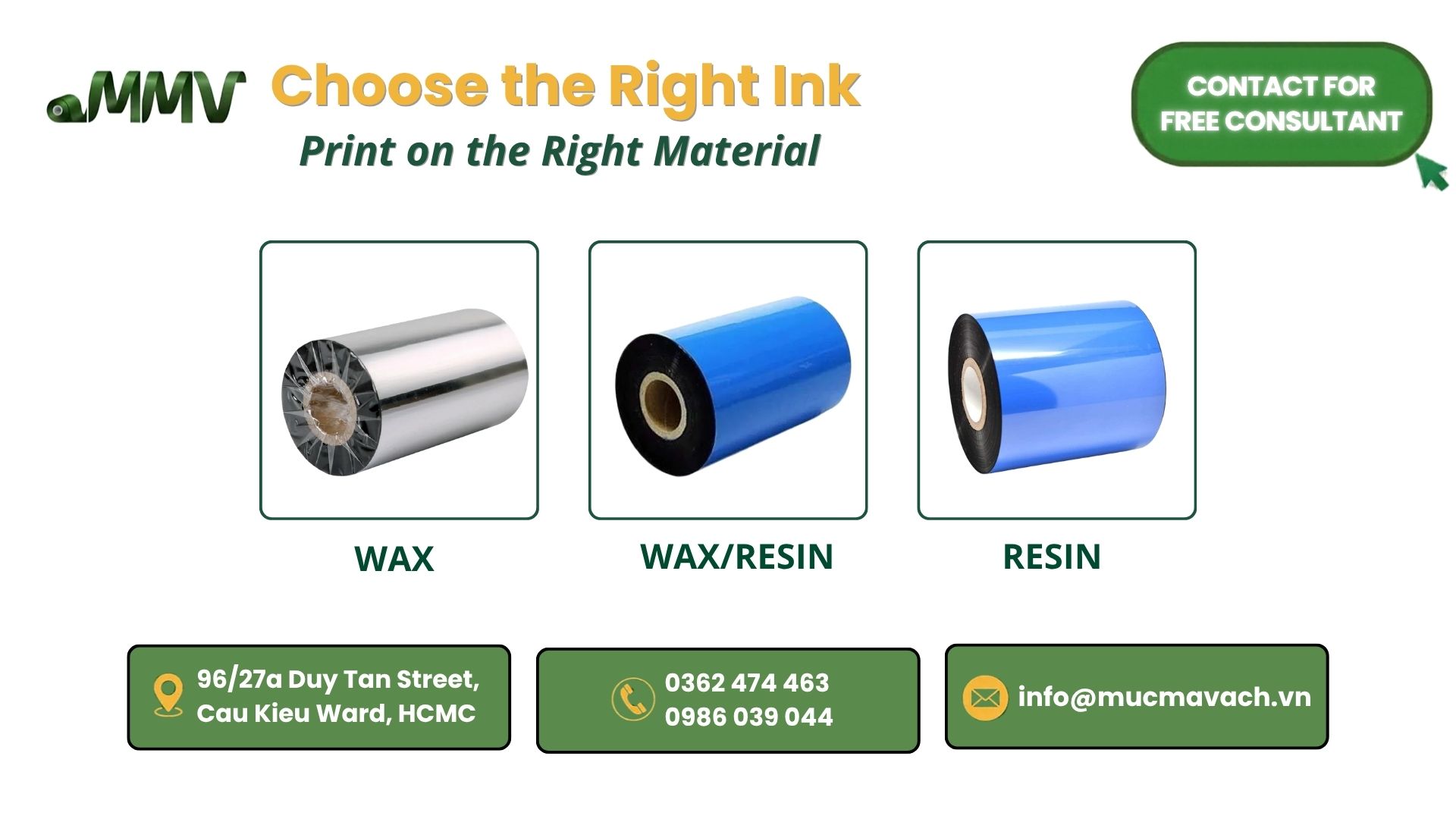
Muc Ma Vach offers thermal transfer ribbons in different formulations to support a range of barcode printing applications. When sourcing ribbons for medical labeling, share your printer model, label material, and operating conditions to help identify a suitable option.
Contact Muc Ma Vach to discuss your thermal transfer ribbon requirements and find a solution suited to your labeling application.
8. Frequently Asked Questions About Medical Labeling
- Which thermal transfer ribbon is best for medical labels?
Resin ribbons are often suitable for applications requiring high abrasion and chemical resistance, particularly on compatible synthetic labels. Wax-resin ribbons can suit less demanding applications, while wax ribbons are generally intended for economical printing on compatible paper labels.
- Can thermal transfer labels withstand sterilization?
Some specialized label and ribbon combinations can withstand particular sterilization processes, but not all thermal transfer labels are suitable. Verify compatibility with the exact sterilization method, exposure conditions, substrate, and adhesive before use.
- How can medical barcode labels remain readable after cleaning or disinfection?
Select a compatible synthetic label and ribbon designed for the relevant cleaning agents and exposure conditions. Test the printed labels after repeated cleaning cycles and verify barcode readability before implementation.
- How do I choose the correct ribbon for a medical label printer?
Identify your printer model, printhead type, label substrate, required ribbon dimensions, and environmental conditions. Consult the ribbon specifications and test print quality and durability under the intended operating conditions.
Contact Muc Ma Vach today for technical consultation, custom ribbon sizes, and competitive pricing for your industrial labeling applications!
Hotline: +84 362 474 463 or +84 986 039 044
Email: info@mucmavach.vn
Website: https://mucmavach.vn