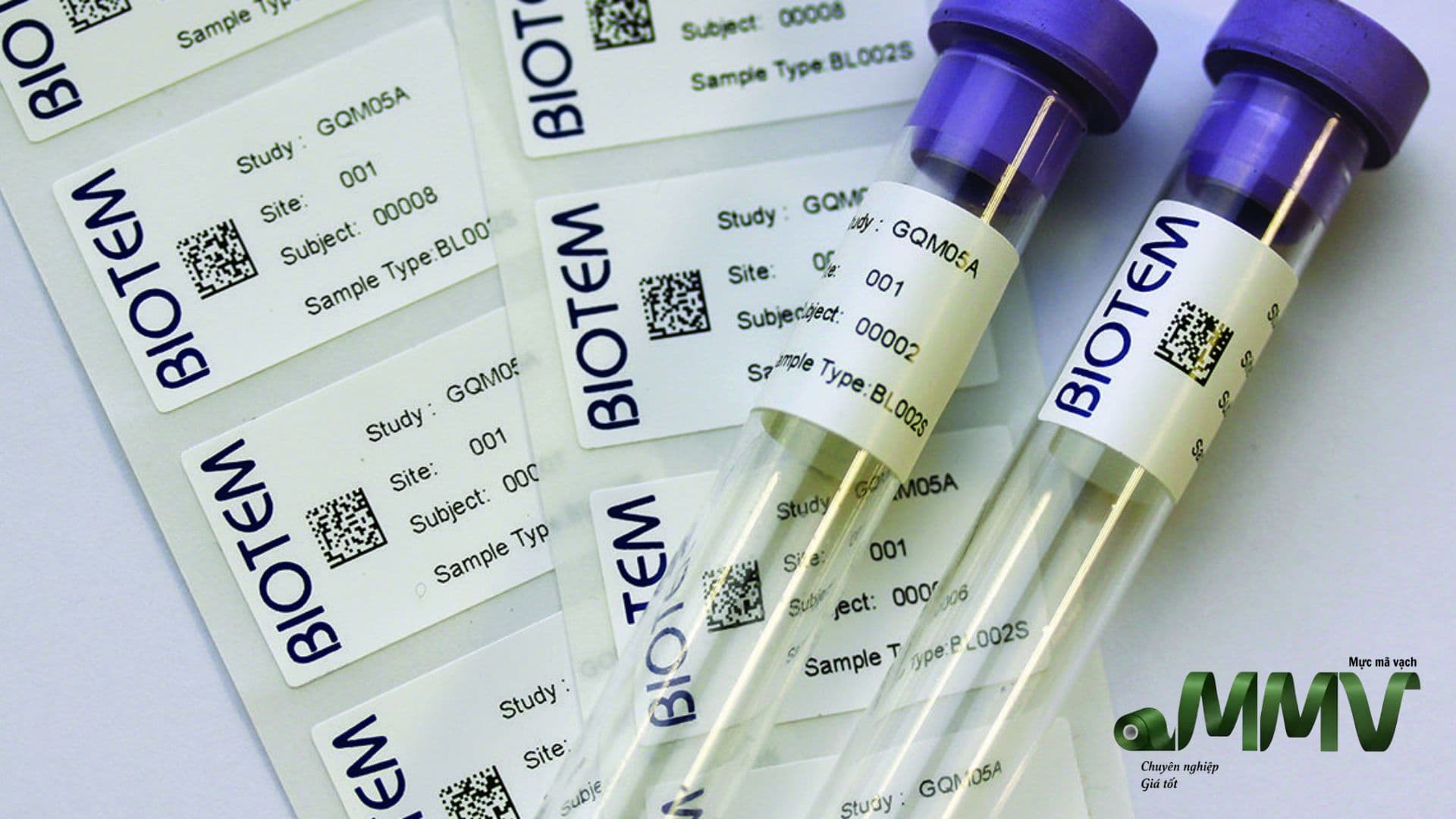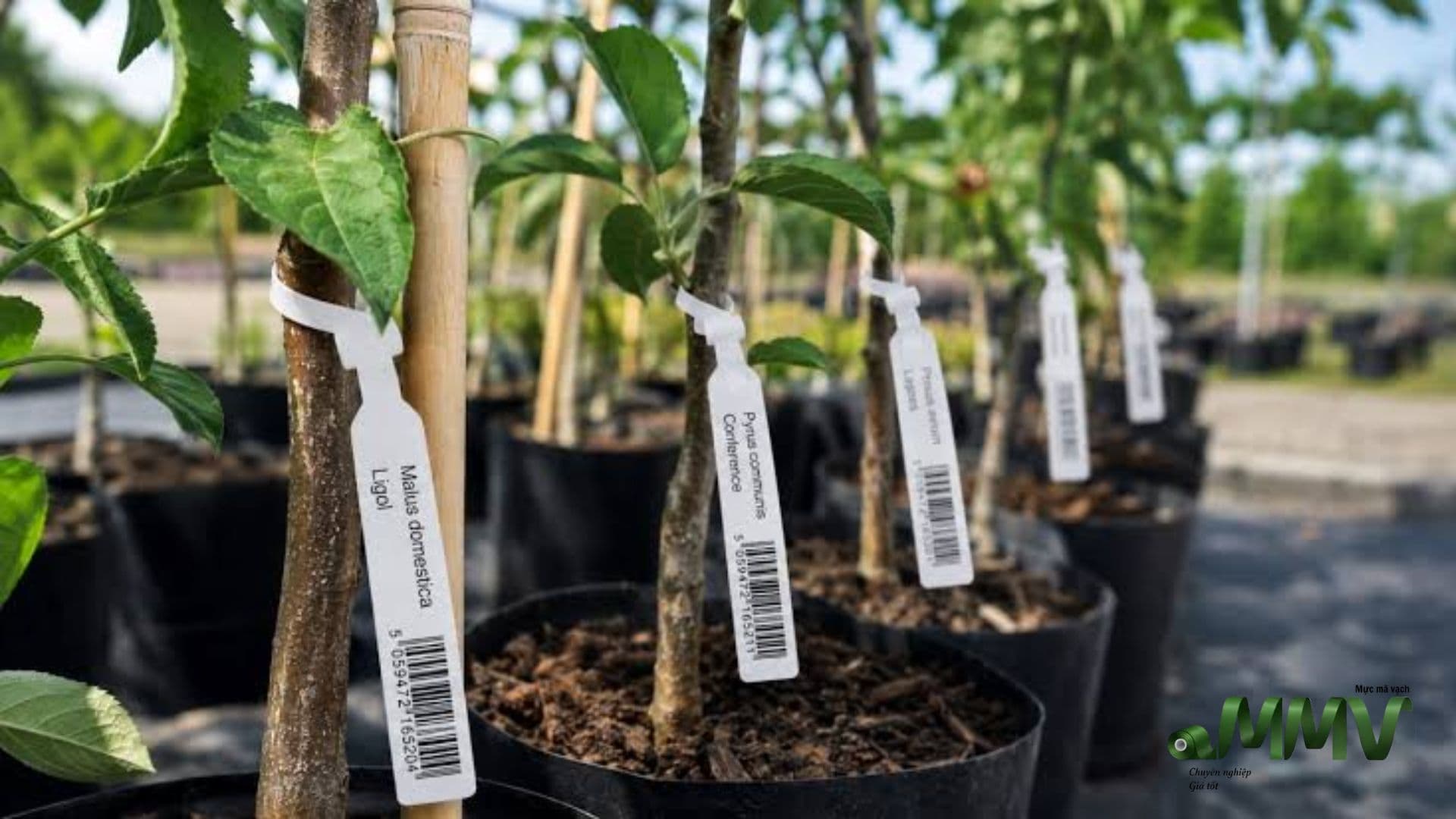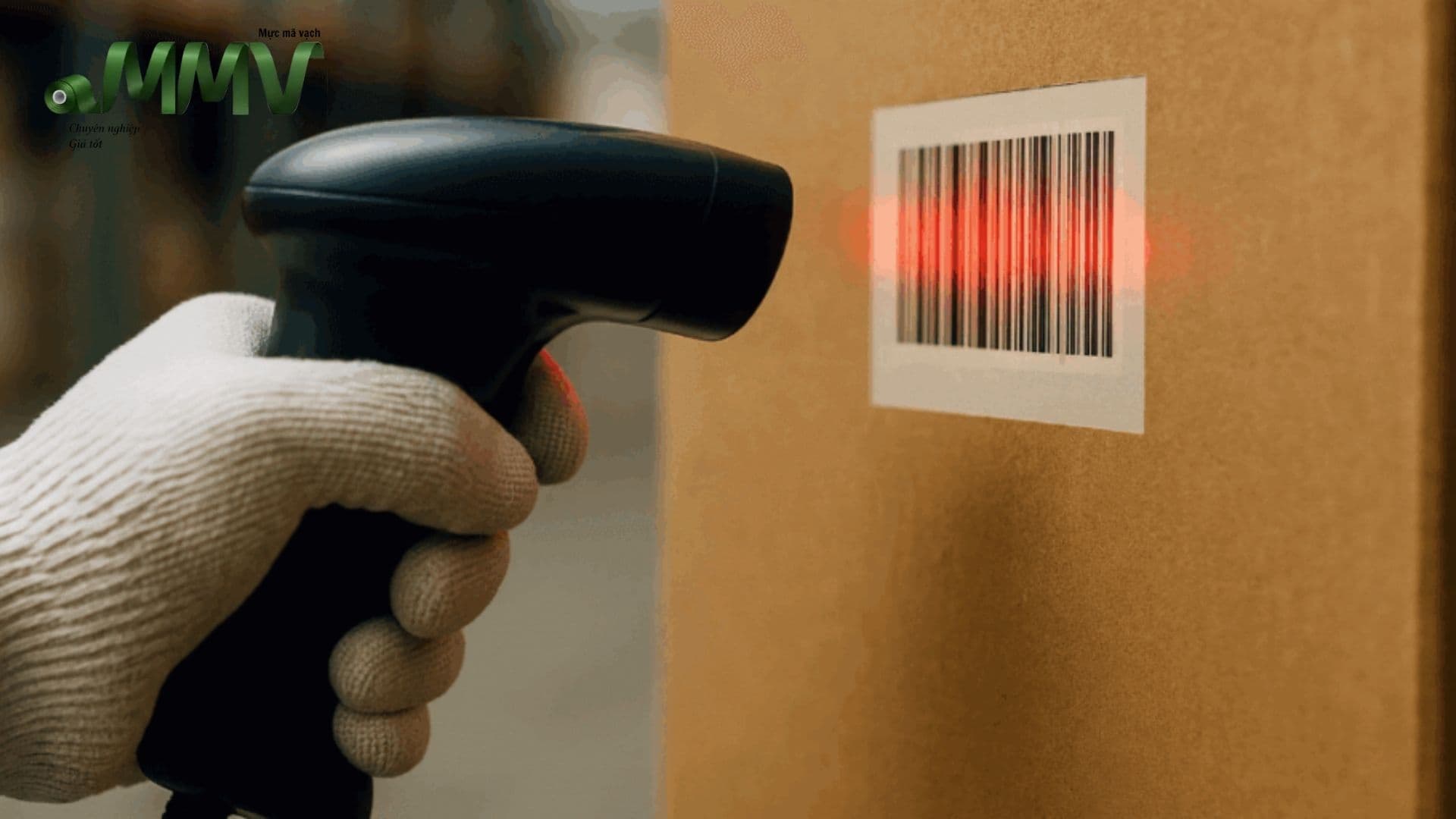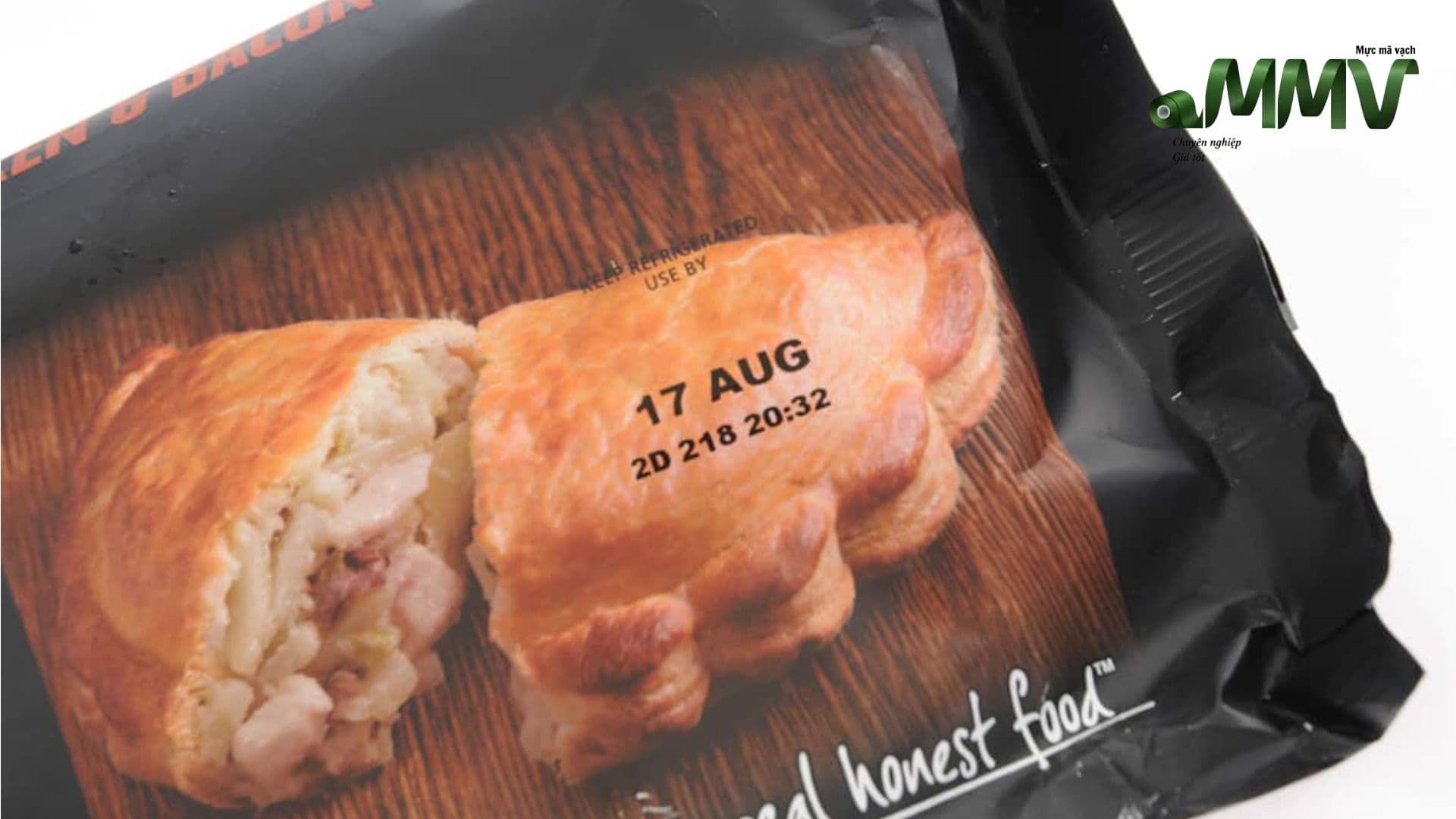
Food and beverage labels play a vital role in product identification, inventory management, and supply chain traceability. Join Muc Ma Vach to know more about thermal transfer ribbons used in the F&B sector.
1. Types of Barcode Labels Used in the Food and Beverage Sector
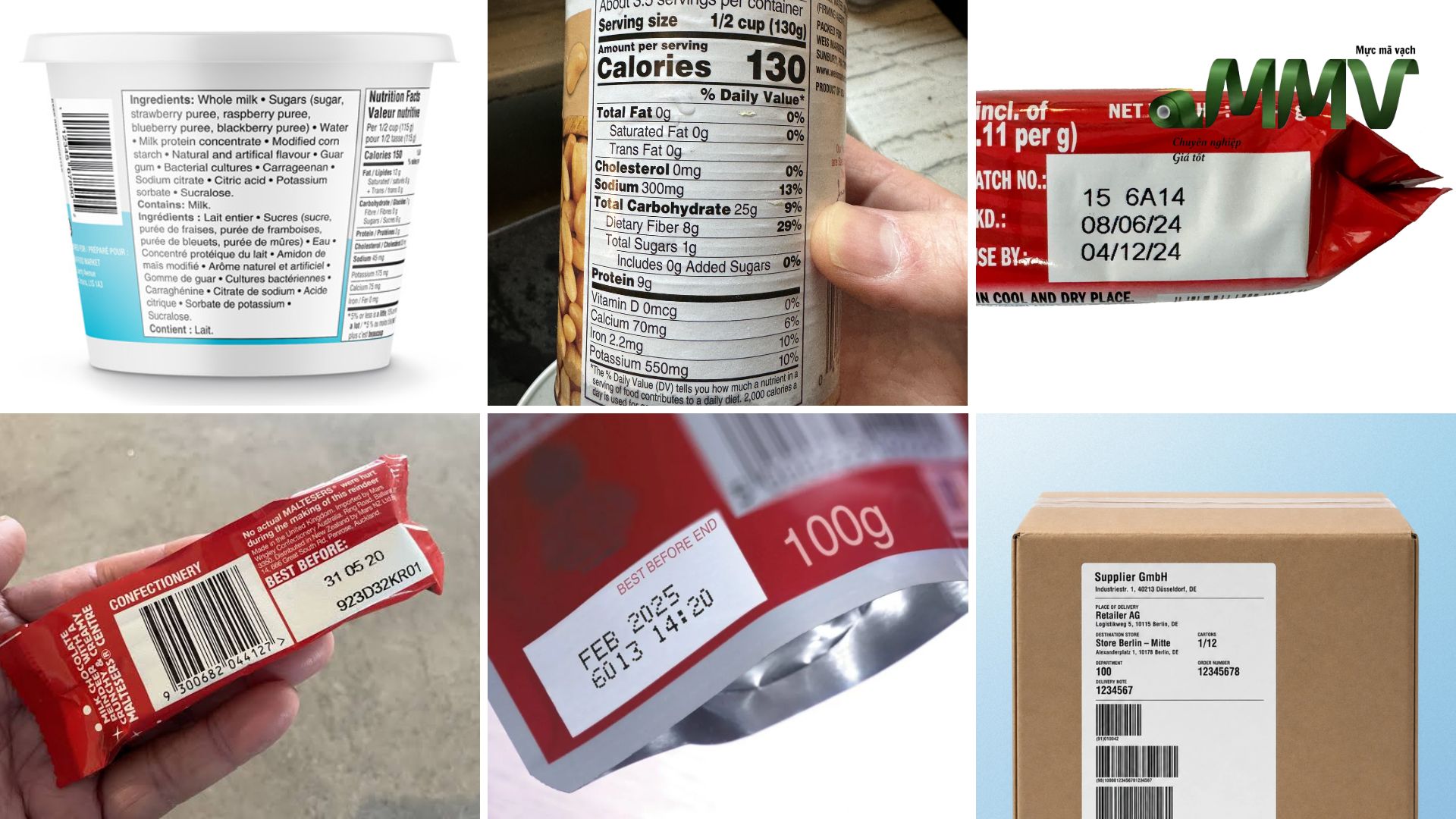
Food and beverage businesses use different barcode labels depending on the product type, packaging format, and distribution requirements.
Label Type | Common Applications | Key Requirements |
| Product Labels | Bottles, cans, jars, and packaged foods. | Clear product information, branding, and scannable barcodes. |
| Ingredient and Nutrition Labels | Packaged foods, snacks, sauces, and beverages. | Legible ingredient lists, allergen information, and nutritional details where required. |
| Date and Batch Labels | Dairy products, meat packaging, beverages, and processed foods. | Readable production dates, best-before dates, expiration dates, and lot numbers. |
| Fresh Food Labels | Fruits, vegetables, meat, seafood, and bakery products. | Suitable adhesion and print performance under relevant moisture and temperature conditions. |
| Cold Storage and Frozen Food Labels | Frozen meals, chilled beverages, and refrigerated products. | Compatibility with low temperatures, condensation, and the packaging surface. |
| Shipping and Logistics Labels | Cartons, cases, and pallets. | Durable barcodes for warehouse scanning, distribution, and inventory tracking. |
2. Barcode Ribbons Suitable for Food and Beverage Applications
The right thermal transfer ribbon depends on the label material, storage conditions, and required print durability. Wax, wax-resin, and resin ribbons each offer different levels of performance.
Ribbon Type | Key Benefits | Suitable Applications |
| Wax | Economical and delivers good print quality on compatible paper labels. | Dry-product packaging, carton labels, and general-purpose inventory identification. |
| Wax-Resin | Provides improved resistance to scratching, smudging, and handling compared with standard wax ribbons. | Bottled beverages, fresh produce labels, coated packaging labels, and selected chilled or frozen food applications. |
| Resin | Offers high resistance to abrasion, chemicals, and demanding conditions when paired with compatible materials. | Durable synthetic labels, reusable containers, and applications requiring greater print resistance. |
Important: No ribbon type is automatically suitable for every food packaging process. For chilled, frozen, hot-filled, or food-contact applications, check the manufacturer's specifications and test the complete printing system under actual operating conditions.
3. Reasons Barcode Labels Are Essential in the Food and Beverage Sector
Barcode labels help improve efficiency and traceability throughout these operations.
- Product traceability: Lot numbers and product identifiers help businesses trace goods through production, storage, and distribution.
- Expiration date management: Scannable labels support stock rotation and help employees identify products approaching their best-before or expiration dates.
- Inventory accuracy: Barcode scanning reduces manual data entry and supports more consistent stock records.
- Faster order processing: Clear labels improve scanning during receiving, picking, packing, and shipping.
- Recall support: Accurate identification and linked batch records help businesses identify affected products during a recall.
- Retail efficiency: Consistently printed barcodes support checkout operations and product identification.
When combined with an appropriate inventory or traceability system, barcode labeling helps food and beverage businesses improve operational efficiency and maintain better visibility across the supply chain.
4. Why Thermal Transfer Printing Is Ideal for Food and Beverage Applications
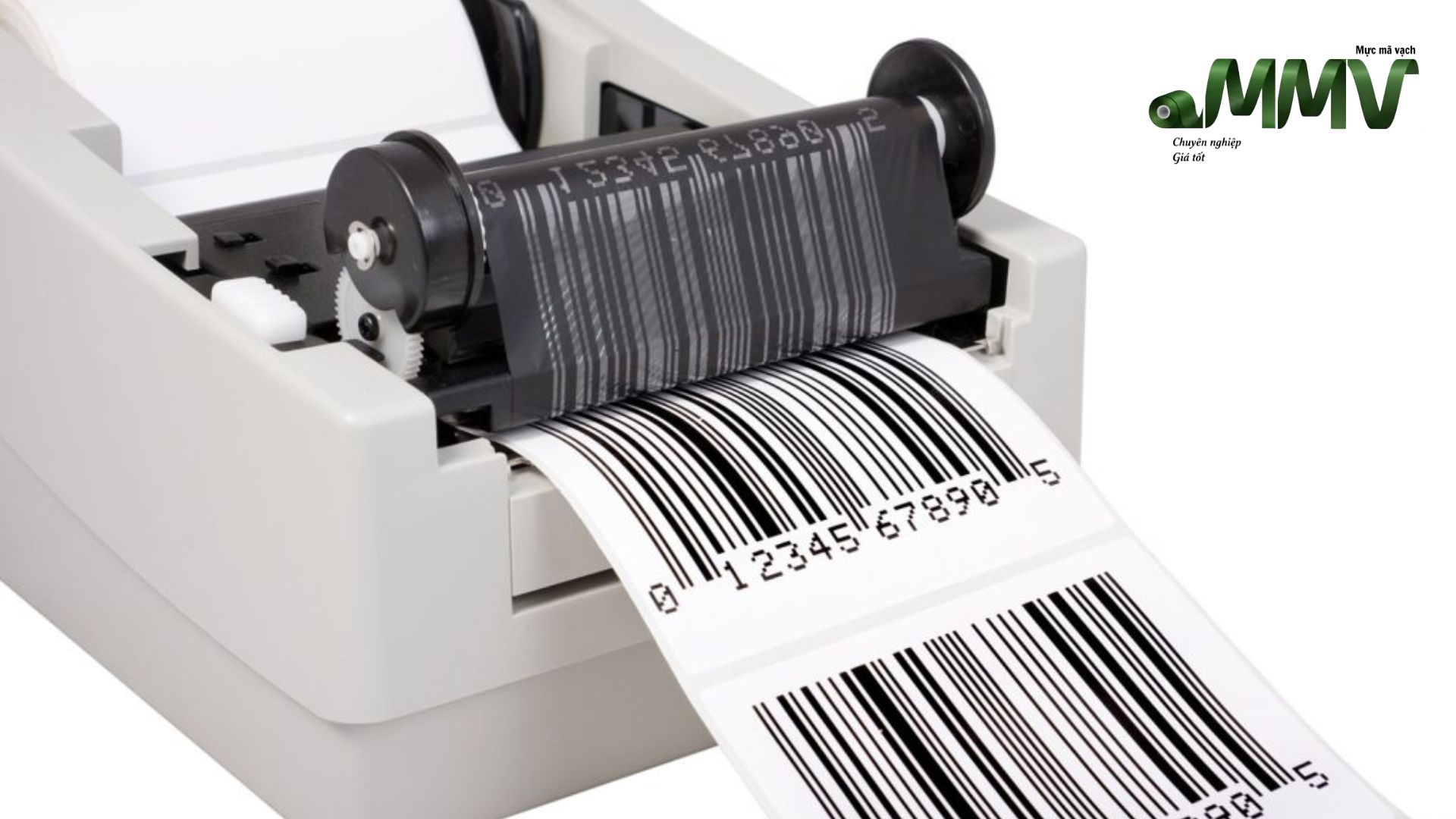
Thermal transfer printing uses heat to transfer ink from a ribbon onto a compatible label or packaging surface. It is a practical solution for food and beverage applications that require clear product information and consistent barcode quality.
Its key benefits include:
- Clear, high-resolution printing: Produces readable text, product codes, and barcodes that support accurate scanning.
- Durable print performance: The appropriate ribbon and substrate can improve resistance to rubbing, smudging, and specified environmental conditions.
- Variable data printing: Allows businesses to print changing batch numbers, production dates, and expiration dates as required.
- Flexible label compatibility: Supports a range of compatible paper and synthetic materials used for food packaging and logistics labels.
- On-demand production: Enables businesses to print labels according to production needs, reducing reliance on large quantities of pre-printed variable information.
These advantages make thermal transfer printing suitable for many food and beverage labeling workflows. However, performance depends on the selected ribbon, label material, printer settings, and exposure conditions.
5. Thermal Transfer Overprinting (TTO) for Flexible Food and Beverage Packaging
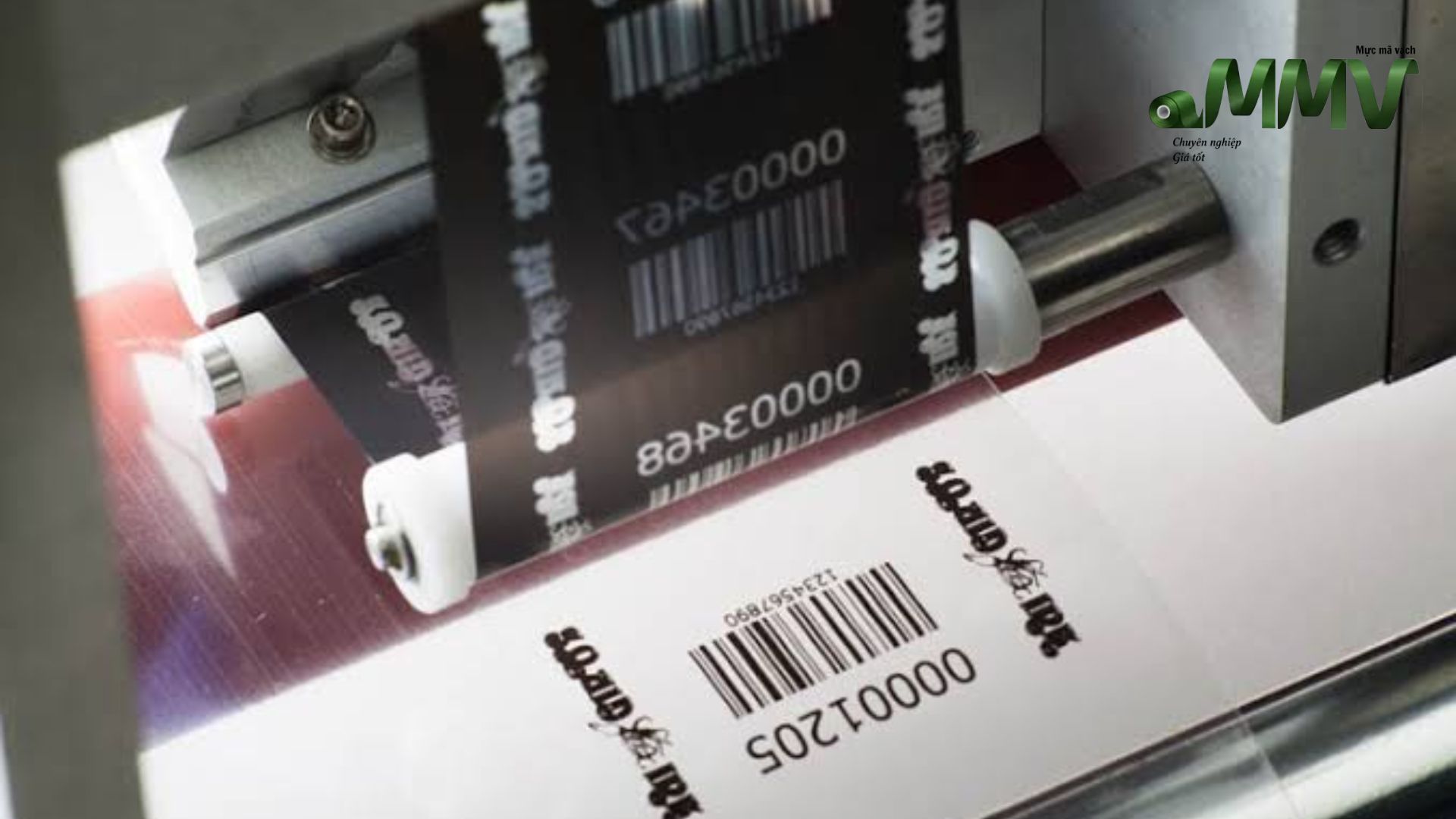
Thermal Transfer Overprinting (TTO) uses heat to transfer ink from a ribbon directly onto flexible packaging films, making it suitable for printing on packaging production lines.
Common TTO Applications in F&B
Packaging Type | Typical Printing Information |
| Snack and Confectionery Bags | Expiration dates, batch numbers, and product codes. |
| Flexible Food Pouches and Sachets | Production dates, lot codes, and product information. |
| Dairy and Frozen Food Packaging | Best-before dates, batch codes, and traceability information. |
| Bakery and Ready-to-Eat Food Wrappers | Date codes, product identifiers, and selected variable information. |
| Beverage Powder and Supplement Sachets | Expiration dates, batch numbers, and product codes. |
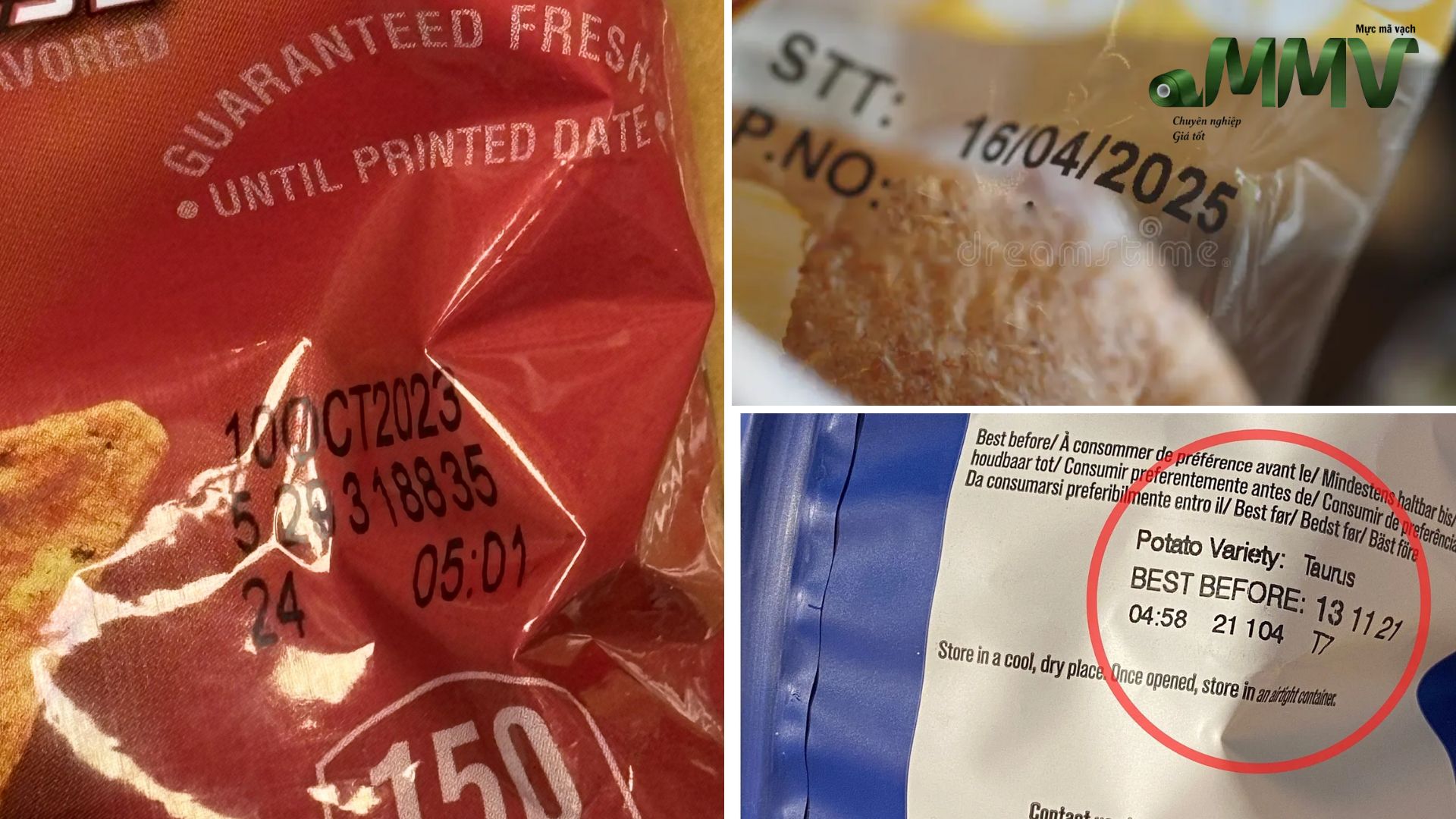
Benefits of TTO for Flexible Packaging
- High-resolution printing: Produces clear text, codes, and suitable graphics on compatible films and flexible packaging materials.
- Variable data printing: Allows production dates, expiration dates, and batch numbers to change without requiring a different pre-printed packaging design.
- Production-line integration: Supports intermittent or continuous packaging operations, depending on the printer system.
- Reduced packaging complexity: Helps manufacturers use standardized packaging film and print variable information during production, reducing the need to maintain multiple pre-printed versions.
6. Considerations for Choosing the Right Barcode Ribbon for the Food and Beverage Sector
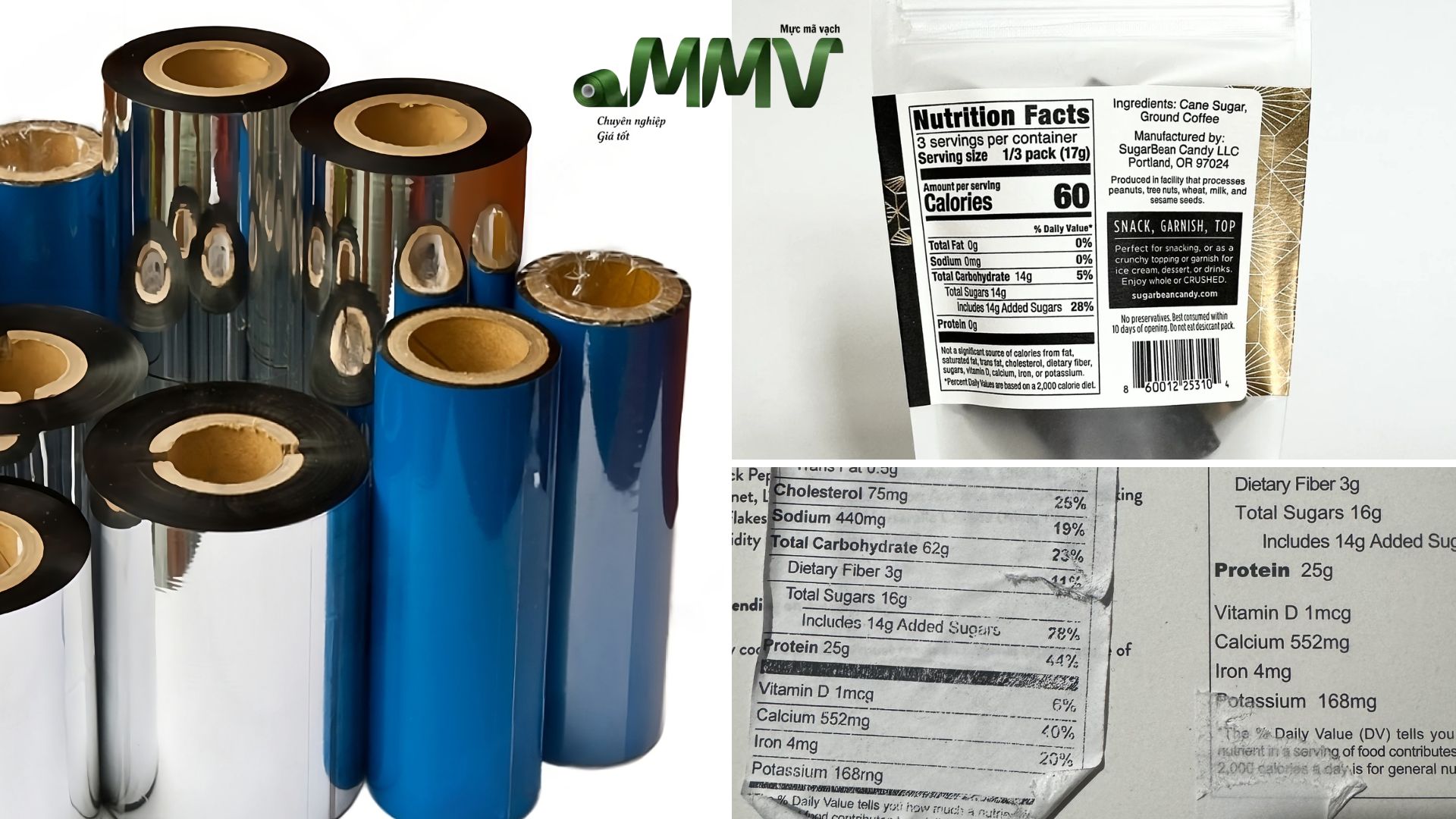
Choosing a suitable ribbon requires careful evaluation of the label, product environment, and printing process.
Label material compatibility
Determine whether the label uses uncoated paper, coated paper, polypropylene, polyester, or another substrate. The ribbon must provide appropriate ink transfer and adhesion to the chosen material.
Moisture and temperature resistance
Chilled beverages, frozen foods, and refrigerated products may expose labels to condensation, moisture, or low temperatures. Choose a compatible ribbon, label material, and adhesive that have been tested under these conditions.
Resistance to oil, grease, and chemicals
Labels on cooking oils, sauces, processed foods, or reusable containers may experience contact with grease, cleaning agents, or other substances. Evaluate whether wax-resin or resin ribbons are needed to maintain print readability.
Print quality and barcode readability
Select a ribbon that produces sharp text and high-contrast barcodes on the chosen substrate. Verify barcode readability using the appropriate scanning equipment and quality standards.
Printer compatibility
Check the printer model, printhead technology, ribbon dimensions, ink-side orientation, and recommended print settings. Flexible packaging may require a specialized printing system.
Regulatory and food-contact requirements
If the label or printed packaging could come into contact with food, or if substances could transfer under intended conditions, confirm that the materials and ink have the appropriate documentation for that use.
Production volume and operating cost
Consider print speed, ribbon consumption, printhead wear, and the cost of reprints. A low-cost ribbon may not be the most economical choice if it causes frequent printing failures or label replacement.
Testing the complete ribbon, label, and printer combination under actual production, storage, and distribution conditions is the best way to confirm suitability.
7. Selecting a Reliable Food and Beverage TTR Supplier
A reliable thermal transfer ribbon supplier can help food manufacturers maintain consistent print quality and select products that match their labeling requirements.
Before choosing a supplier, consider the following factors:
- Product range: Availability of wax, wax-resin, and resin ribbons for different label materials and applications.
- Technical support: Guidance on printer compatibility, ribbon selection, and application testing.
- Product documentation: Access to technical data sheets and relevant compliance documentation when required.
- Consistent quality: Reliable ribbon performance across production batches.
- Supply reliability: Suitable product availability and specifications for ongoing labeling operations.
Muc Ma Vach supplies thermal transfer ribbons in different formulations to support a range of barcode printing requirements. To identify a suitable option, provide your printer model, label material, ribbon dimensions, and the environmental conditions your labels must withstand.
Explore the available options at Muc Ma Vach and select a thermal transfer ribbon suited to your food and beverage labeling needs.
8. Frequently Asked Questions About Food and Beverage Labeling
Which thermal transfer ribbon is best for food and beverage labels?
Wax ribbons are generally suitable for economical printing on compatible paper labels. Wax-resin ribbons offer greater resistance to scratching and handling, while resin ribbons are often preferred for applications that demand higher durability on compatible synthetic materials.
Can thermal transfer labels withstand refrigeration and freezing?
Yes, suitable label and ribbon combinations can perform in refrigerated and frozen environments. However, the adhesive, substrate, condensation, and temperature range must also be considered and tested under actual storage conditions.
Which barcode types are commonly used in the food and beverage industry?
Common options include EAN-13, UPC, GS1 DataBar, GS1-128, and ITF-14. QR Codes and other two-dimensional barcodes may also be used for applications requiring additional data. The correct format depends on the product, retailer, and traceability requirements.
Can thermal transfer printing produce expiration dates and batch numbers?
Yes. Thermal transfer printing can produce variable information such as lot numbers, production dates, best-before dates, and expiration dates, provided the printer and printing system support the required application.
How can I prevent barcode labels from smudging on food packaging?
Choose a ribbon compatible with the label or packaging material, optimize printer settings, and test print durability under expected moisture, temperature, and handling conditions. Wax-resin or resin ribbons may provide better resistance than wax in applications requiring greater durability.
How do I choose the right thermal transfer ribbon for my food packaging line?
Start by identifying your printer model, label or film material, production speed, and environmental conditions. Then compare compatible ribbon types and validate the printed results through barcode scanning and durability testing before adopting the solution for full-scale production.
Contact Muc Ma Vach today for technical consultation, custom ribbon sizes, and competitive pricing for your industrial labeling applications!
Hotline: +84 362 474 463 or +84 986 039 044
Email: info@mucmavach.vn
Website: https://mucmavach.vn