
Thermal Transfer Ribbon: Price List & How To Choose The Right Barcode Ribbon
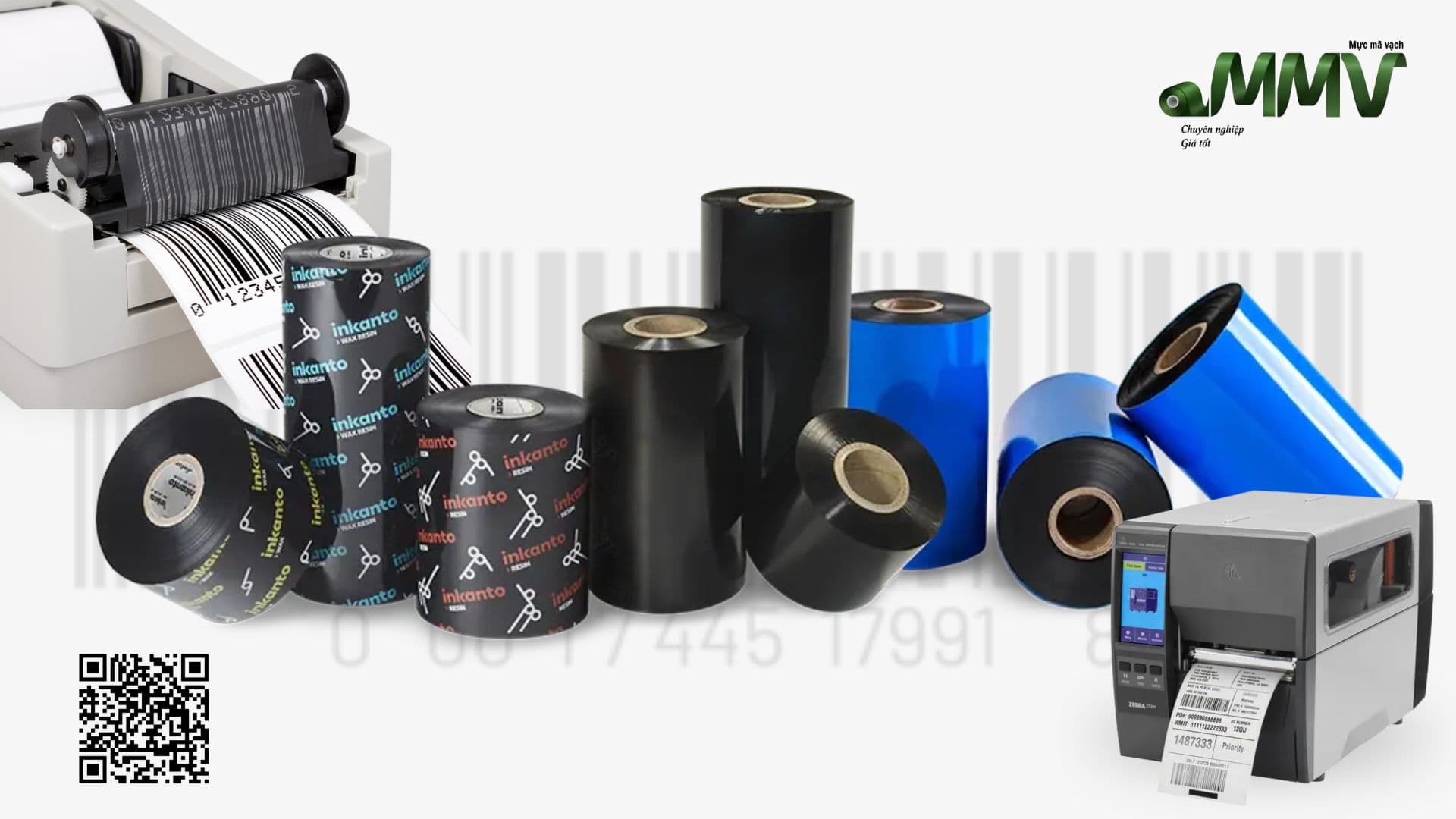
A barcode ribbon is an essential printing supply for businesses that need clear, readable, and reliable barcode labels. Also known as a thermal transfer ribbon (TTR), it transfers ink onto compatible label materials using heat to produce text, barcodes, and product information. Understanding the different ribbon types, applications, and compatibility requirements helps businesses choose the right solution for their printing needs.
1. What is a barcode ribbon?
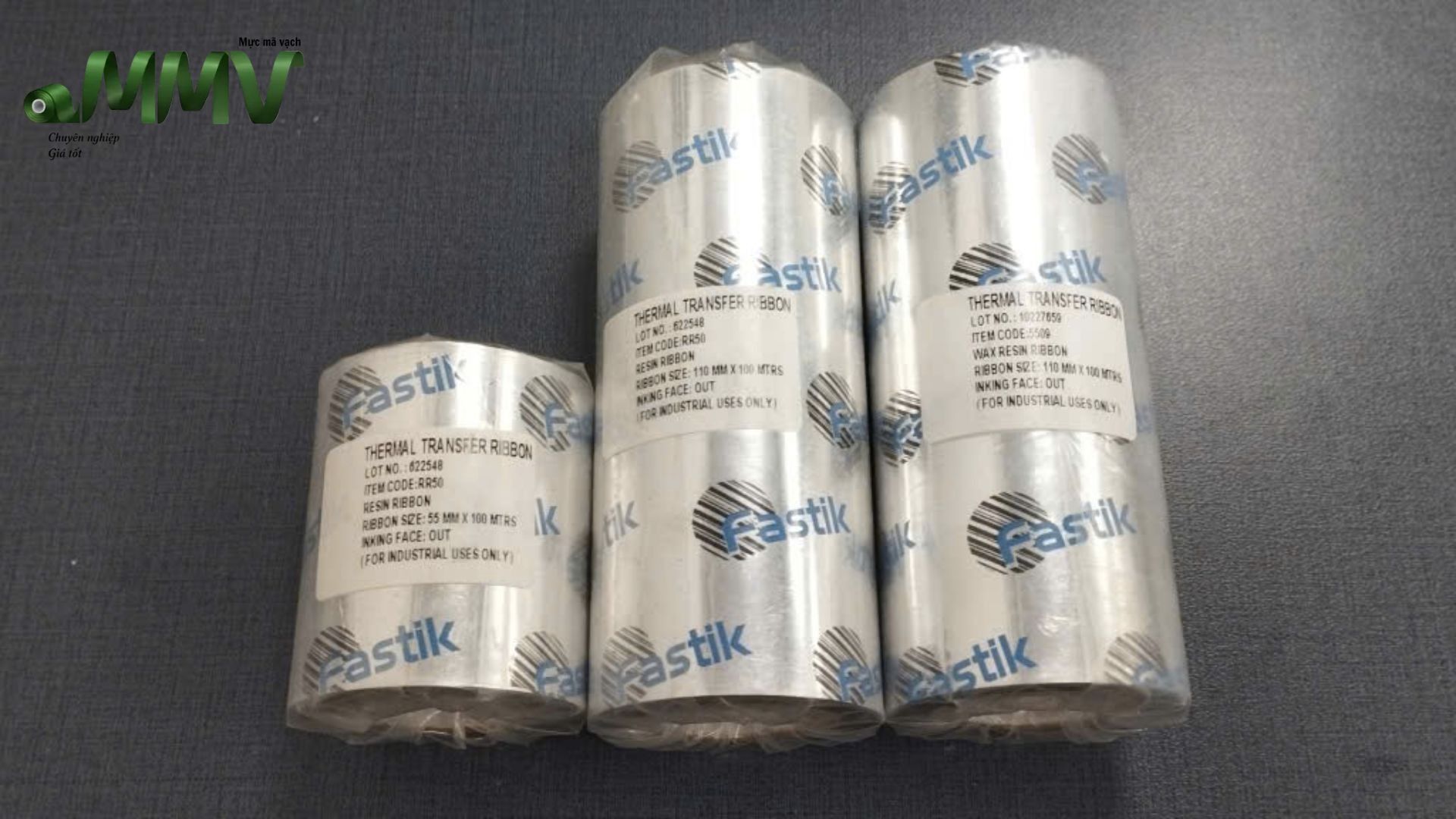
A barcode ribbon, also called a thermal transfer ribbon or TTR ribbon, is a coated film used in thermal transfer printers to print information onto labels and other compatible materials.
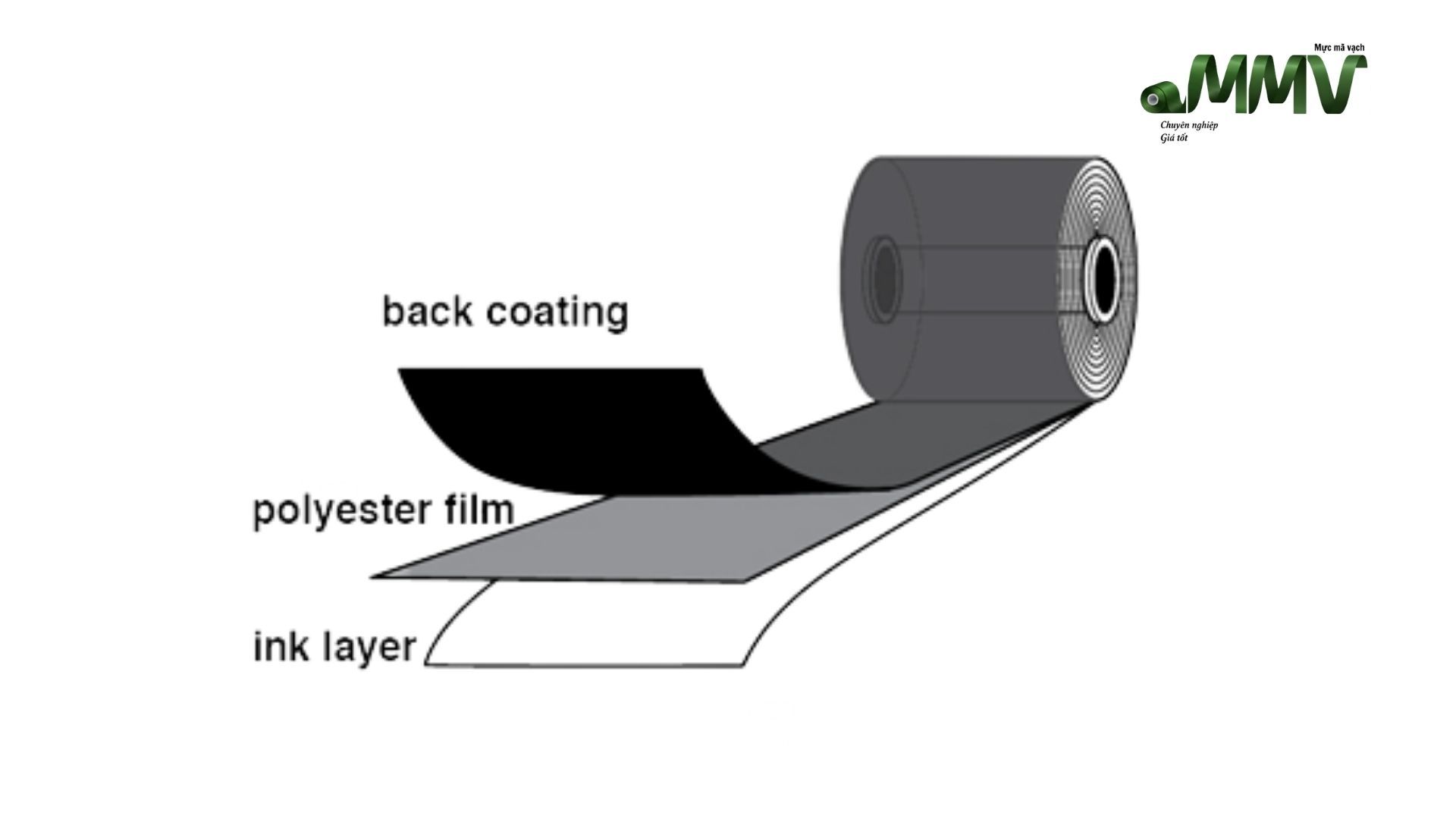
A typical ribbon consists of a polyester film base, an ink coating, and a backcoat that helps protect the printhead and support smooth printing.
Unlike direct thermal printing, which uses heat-sensitive label material, thermal transfer printing uses ribbon ink to create the printed image. This makes it suitable for applications that require consistent print quality and, depending on the ribbon and label combination, greater resistance to smudging and abrasion.
Barcode ribbons are commonly used to print product codes, batch numbers, shipping information, and scannable barcodes across retail, manufacturing, warehousing, and logistics operations.
2. How does Thermal Transfer Printing work?
Thermal transfer printing uses a heated printhead to transfer ink from a ribbon onto a label or other compatible substrate.
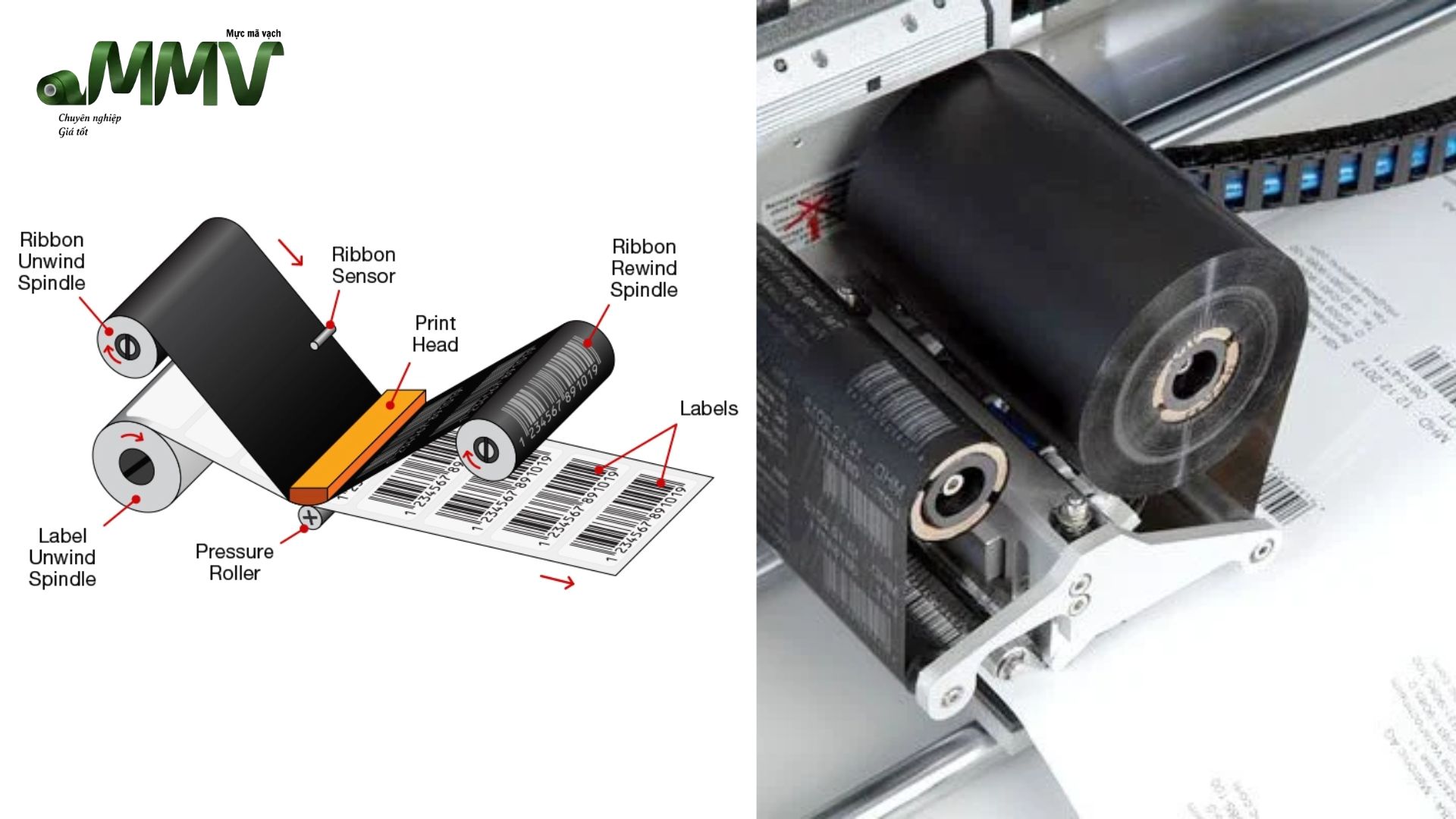
The printing process generally follows three steps:
The quality of the result depends on the ribbon formulation, label material, printhead resolution, and printer settings.
Thermal transfer printing differs from direct thermal printing, which creates images directly on specially coated, heat-sensitive labels without using a ribbon. Thermal transfer is often preferred when businesses need more durable printed information or must print on a wider range of compatible label materials.
3. What are the main types of barcode ribbon?
Barcode ribbons are generally divided into three main types: Wax, Wax-Resin, and Resin. Each offers different levels of print durability, material compatibility, and cost.
Ribbon Type | Key Characteristics | Common Applications |
| Wax | Economical and provides good print quality on compatible paper labels. | Shipping labels, price tags, carton labels, and general-purpose barcode labels. |
| Wax-Resin | Offers improved resistance to scratching and smudging compared with standard wax ribbons. | Retail product labels, coated labels, and applications requiring greater durability. |
| Resin | Provides high resistance to abrasion, chemicals, and demanding conditions when paired with compatible label materials. | Industrial labels, synthetic labels, and applications requiring long-lasting identification. |
Wax ribbons are generally suitable for everyday printing on paper labels where cost efficiency is important.
Wax-resin ribbons offer a balance between printing cost and durability, making them suitable for applications involving more frequent handling.
Resin ribbons are commonly used with compatible synthetic materials when greater resistance is required.
The best choice depends on the label substrate, expected service life, and environmental conditions rather than the ribbon type alone.
4. Where is TTR Ribbon commonly used?
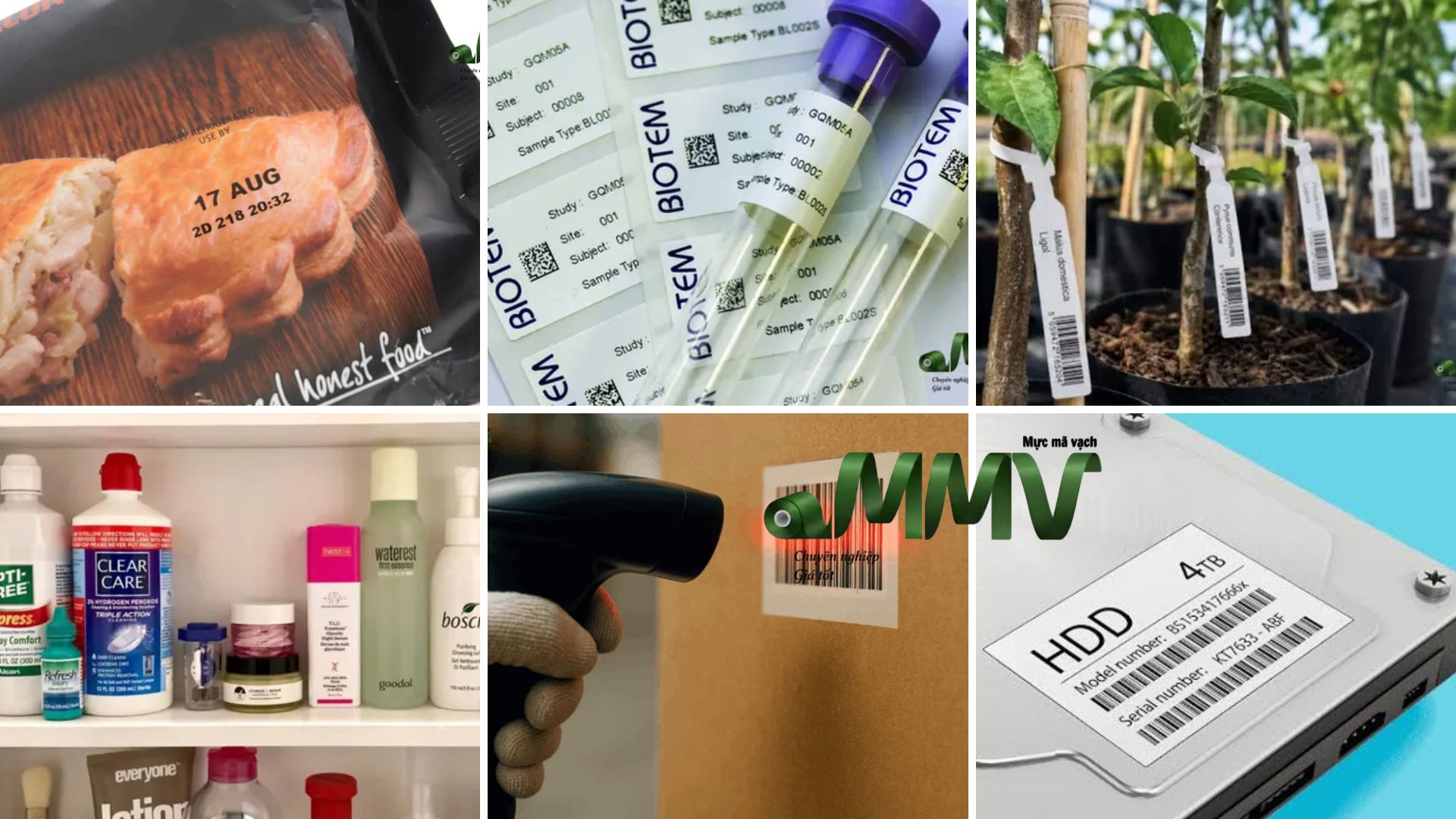
Thermal transfer ribbons support barcode printing across industries that require product identification, inventory tracking, and traceability.
Different industries have different requirements for print durability, moisture resistance, chemical resistance, and label adhesion. Selecting the appropriate ribbon and label material helps maintain readable information throughout the intended application.
5. How to choose the right thermal transfer ribbon?
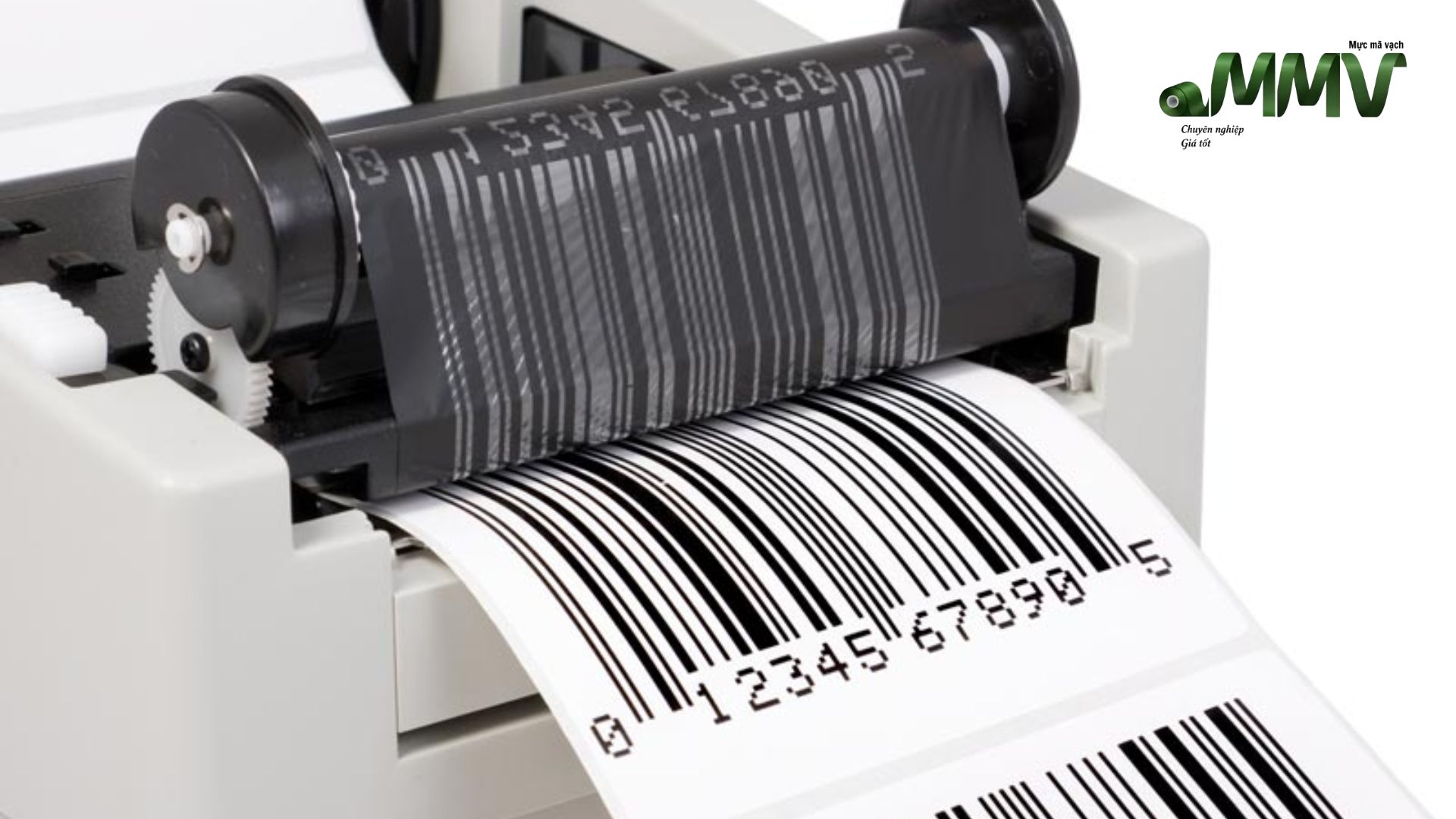
Choosing the right thermal transfer ribbon involves evaluating several factors to ensure print quality, compatibility, and cost efficiency.
Label Material
Identify whether the label is made from uncoated paper, coated paper, polypropylene, polyester, or another material. Different substrates require compatible ribbon formulations to achieve suitable print quality and adhesion.
Required Print Durability
Consider whether labels will be exposed to scratching, moisture, chemicals, heat, or frequent handling. Wax ribbons suit many general-purpose applications, while wax-resin or resin ribbons may be more appropriate when greater resistance is required.
Printer Compatibility
Check the printer model, supported ribbon type, ribbon width and length, core size, and ink-side orientation. Using a compatible ribbon helps prevent printing issues and unnecessary material waste.
Print Quality and Barcode Readability
Choose a ribbon that produces sharp text and clear barcode edges on the selected label material. Adjust printer settings and test barcode readability using the intended scanner.
Operating Cost
Consider the ribbon price alongside print quality, waste, printhead maintenance, and the cost of reprinting damaged labels. A suitable ribbon can help reduce avoidable printing problems and improve overall efficiency.
Before purchasing in bulk, test the ribbon with the actual printer and label material under normal operating conditions.
6. Reference prices for barcode ribbons
The price of a barcode ribbon depends on its material, dimensions, brand, and print performance requirements. Wax ribbons are generally the most economical option, while wax-resin and resin ribbons typically cost more because they offer greater print durability.
Ribbon Size (Width × Length) | Wax | Wax-Resin | Resin |
| 110mm × 75m | VND 45,000–65,000 | Around VND 70,000 | Contact for a quote |
| 110mm × 100m | Around VND 120,000 | VND 95,000–160,000 | Contact for a quote |
| 40mm × 300m | VND 70,000–120,000 | VND 120,000–185,000 | VND 210,000–315,000 |
| 60mm × 300m | VND 80,000–130,000 | VND 130,000–195,000 | VND 230,000–335,000 |
| 80mm × 300m | VND 90,000–145,000 | VND 140,000–210,000 | VND 245,000–360,000 |
| 90mm × 300m | VND 95,000–150,000 | VND 150,000–220,000 | VND 265,000–385,000 |
| 110mm × 300m | VND 100,000–155,000 | VND 160,000–235,000 | VND 280,000–410,000 |
| 110mm × 450m | VND 140,000–210,000 | VND 225,000–325,000 | VND 395,000–565,000 |
| 152mm × 300m | VND 150,000–220,000 | VND 240,000–345,000 | VND 430,000–615,000 |
*Note: This price is for reference only. Actual prices may vary over time depending on the supplier, brand, ribbon specifications, and order quantity. Please contact Muc Ma Vach via hotline +84 362 474 463 or +84 986 039 044 for detailed assistance.
7. Common barcode ribbon problems and how to prevent
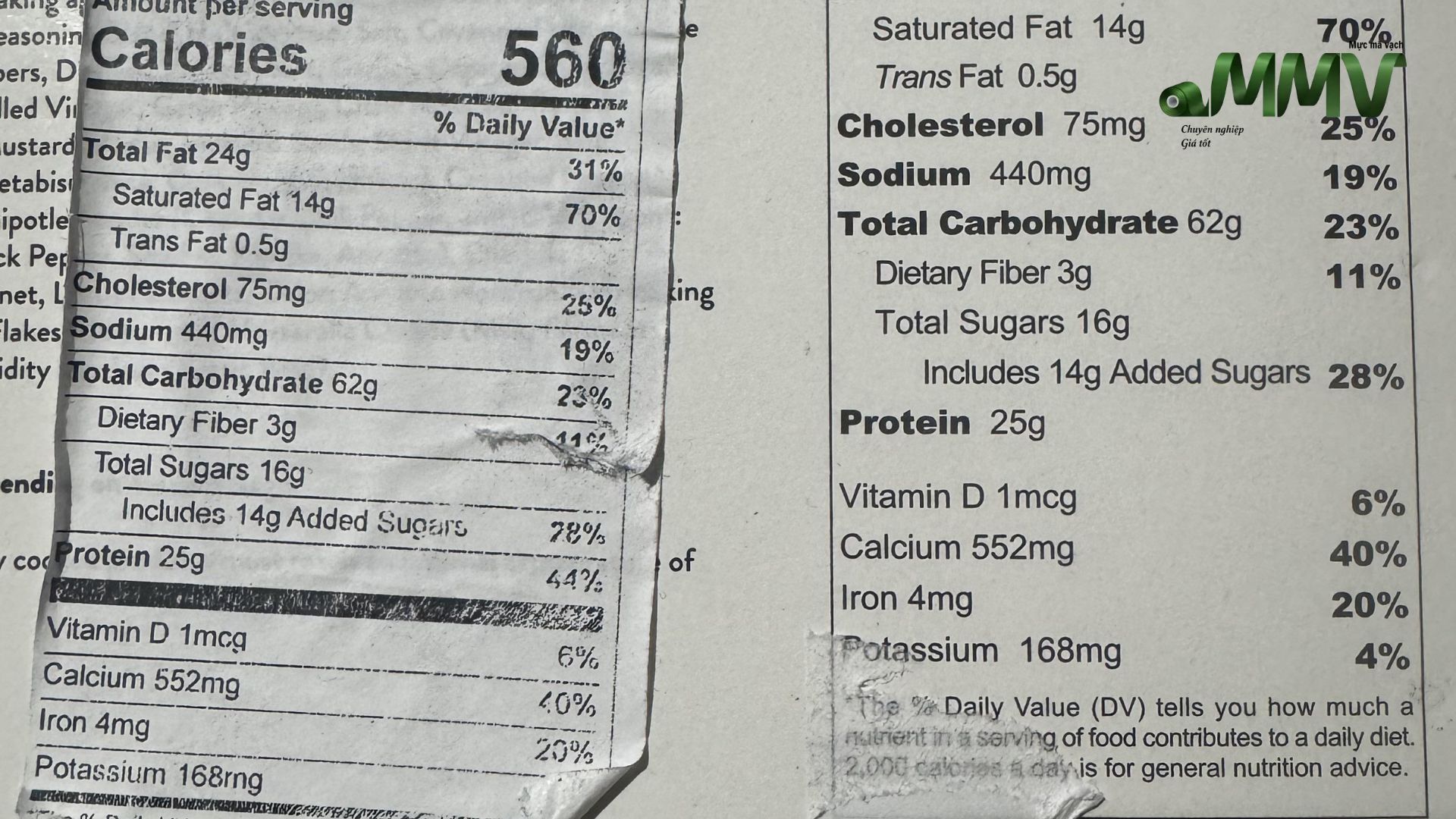
Printing problems can affect barcode readability, increase waste, and interrupt daily operations. Understanding their possible causes helps businesses identify suitable solutions.
Common Problem | Possible Cause | Suggested Solution |
| Faded or faint printing | Incorrect heat settings, incompatible ribbon, or a worn printhead. | Check printer settings, ribbon compatibility, and printhead condition. |
| Ribbon wrinkles | Incorrect ribbon alignment or uneven tension. | Reinstall the ribbon and check its alignment and tension. |
| Smudged printing | Poor ribbon-to-label compatibility or insufficient print resistance. | Select a more suitable ribbon and label combination. |
| Ribbon breaking | Excessive heat, unsuitable tension, or a damaged ribbon. | Adjust settings and inspect the ribbon and printer mechanism. |
| Barcode cannot be scanned | Poor print quality, incorrect barcode dimensions, or low contrast. | Check print settings, barcode specifications, and print quality. |
Regular printer maintenance, proper ribbon installation, and compatible printing materials can help prevent many common issues. If a problem persists, test the ribbon and label combination before replacing printer components.
8. Where to buy a reliable barcode ribbon?
Choosing a reliable supplier helps businesses find compatible ribbons and maintain consistent barcode printing performance. Before purchasing, check the available ribbon types, product specifications, printer compatibility, and technical support offered by the supplier.
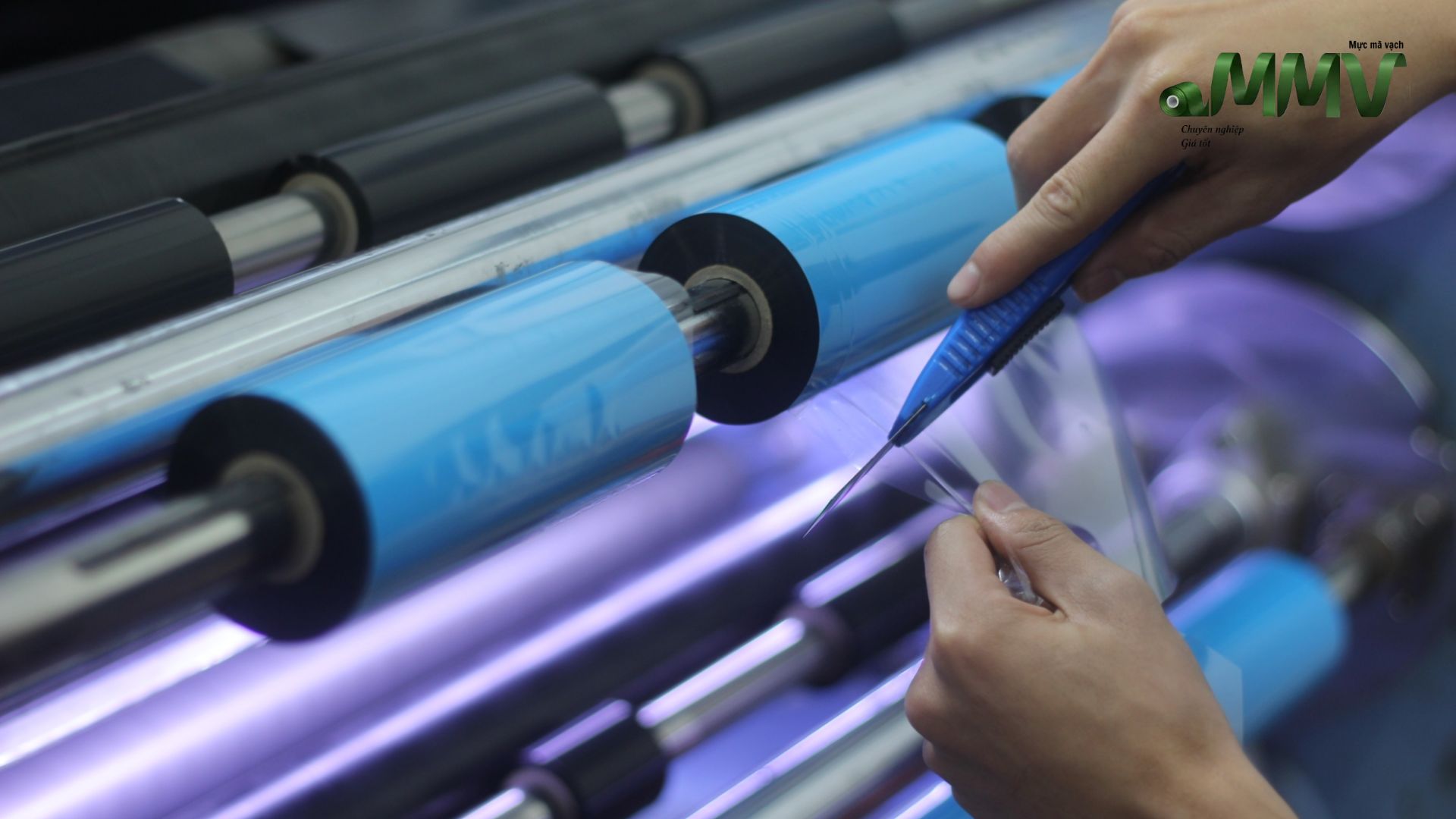
Muc Ma Vach provides thermal transfer ribbons in Wax, Wax-Resin, and Resin formulations for different barcode printing requirements. When selecting a product, prepare your printer model, label material, required ribbon dimensions, and durability needs to help identify a suitable option.
9. Frequently Asked Questions About Barcode Ribbon
What is the difference between a barcode ribbon and a thermal transfer ribbon?
A barcode ribbon is commonly another name for a thermal transfer ribbon. Both refer to the ink-coated material used by thermal transfer printers to produce text, barcodes, and other information on compatible substrates.
How do I know which barcode ribbon is compatible with my printer?
Check your printer model, supported ribbon specifications, required dimensions, and ink-side orientation. You should also confirm that the ribbon is compatible with your label material and intended printing conditions.
How long does a thermal transfer ribbon last?
Ribbon life depends on its length, print coverage, label dimensions, and printing frequency. A longer ribbon can produce more labels, but actual output varies according to how much information is printed on each label.
Can I use the same TTR ribbon for different label materials?
Not always. Some ribbons work well on paper labels but may not provide sufficient adhesion or durability on synthetic materials. Always check the ribbon specifications and test print quality before using it with a different substrate.
Contact Muc Ma Vach today for technical consultation, custom ribbon sizes, and competitive pricing for your industrial labeling applications!
Hotline: +84 362 474 463 or +84 986 039 044
Email: info@mucmavach.com
Website: https://mucmavach.com
Thank you for reading this article!