Updating...
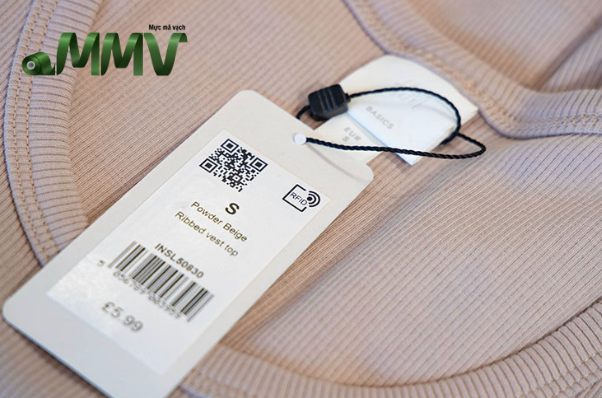
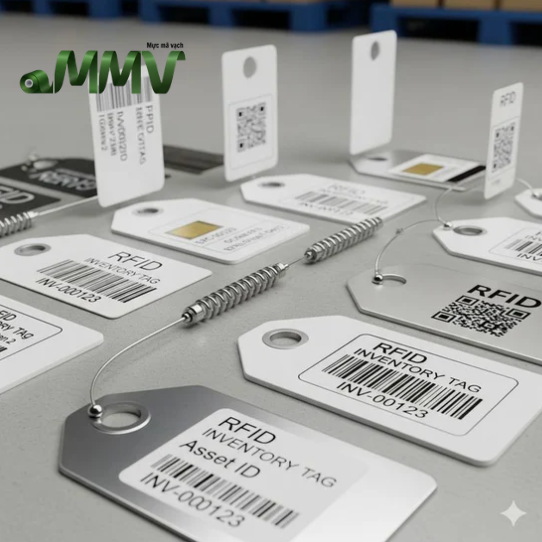
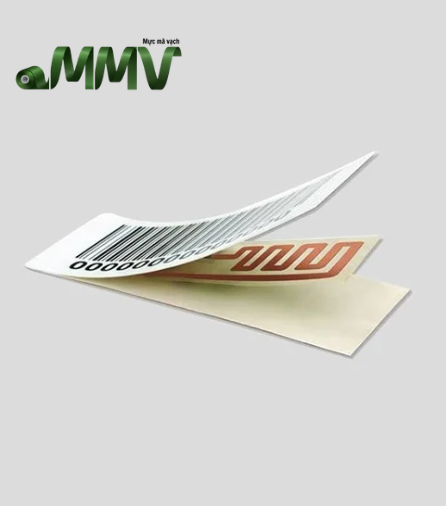
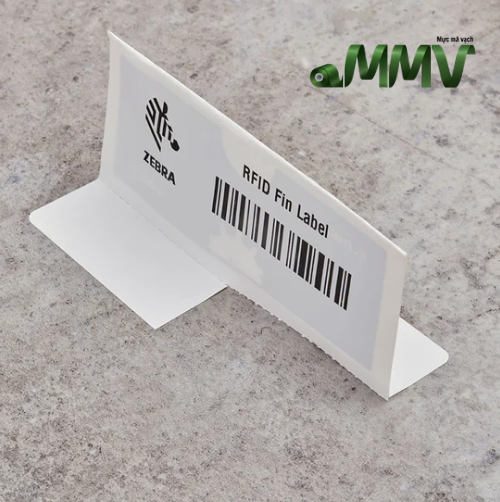
RFID product labels are intelligent labeling solutions that combine traditional printed information with radio-frequency identification technology. By incorporating a microchip and antenna into the label structure, these smart labels enable wireless data transmission and product tracking without requiring direct visual scanning. As businesses continue to automate inventory and supply chain processes, RFID technology has become an increasingly valuable tool across multiple industries.
One of the key advantages of RFID labels is their ability to store and transmit data remotely. Unlike conventional barcodes, which must be scanned individually, RFID tags can be read in bulk, even when products are packed inside boxes or stored on pallets.
Some of the most important characteristics include:
These features make RFID technology particularly useful for businesses managing large volumes of products.
An RFID label typically consists of three main elements:
The visible surface of the label, which can display branding, product information, and traditional barcodes.
The embedded RFID component contains a microchip and antenna that store and transmit product data to RFID readers.
The backing material secures the label to packaging, containers, equipment, or products made from various materials.
The best RFID labels for product packaging depend on the application, packaging material, and scanning requirements. UHF RFID labels are commonly used in retail, logistics, and warehousing because they offer long reading distances and efficient bulk scanning capabilities.
For specialized applications, businesses may choose:
Selecting the appropriate RFID label helps ensure reliable performance throughout the product lifecycle.
Many manufacturers now use embedded RFID labels for consumer products to improve inventory accuracy and customer engagement. These labels are integrated directly into packaging, hang tags, or product labels without affecting the appearance of the item.
Common applications include:
Embedded RFID technology allows businesses to track products from manufacturing through retail sale while helping reduce losses and counterfeiting.
Understanding how to integrate RFID in product labels is essential for successful implementation. The process typically involves selecting the appropriate RFID inlay, choosing a compatible label material, and determining the optimal placement for reliable signal performance.
Businesses should consider factors such as:
Proper integration ensures accurate data collection and seamless communication between RFID labels and readers.
RFID technology offers several advantages over traditional barcode systems:
Multiple items can be scanned simultaneously, significantly reducing the time needed for stock counts and audits.
Businesses can monitor product movement throughout manufacturing, storage, transportation, and retail operations.
RFID labels support authentication and anti-counterfeiting measures for high-value products.
Automated data capture reduces manual processes and helps minimize human error.
RFID product labels provide a modern and efficient solution for product identification, inventory management, and supply chain visibility. Whether used in logistics, retail, healthcare, or manufacturing, these smart labels help businesses improve accuracy, streamline operations, and gain better control over product tracking throughout the entire supply chain.